


Why Your Dog's Gut Health Could Be the Root Cause of Their Itchy, Irritated Skin

If you've ever watched your beloved dog scratch relentlessly, bite at their paws, or develop red, inflamed patches of skin, you know how distressing it can be. Many pet owners assume these symptoms are simply a matter of allergies or poor grooming habits, but the real culprit might be hiding deeper—in your dog's gut. The connection between gut health and skin health in dogs is more significant than most people realize, and understanding this relationship could be the key to finally giving your furry friend relief.
Understanding the Gut-Skin Connection
The health of your dog's digestive system plays a crucial role in the condition of their skin. This relationship, known as the gut-skin axis, is based on the intricate communication between the gastrointestinal tract and the skin's immune system. Your dog's gut is home to trillions of bacteria that form what's called the microbiome. When this microbial community is balanced and healthy, it supports proper immune function, nutrient absorption, and the maintenance of a strong intestinal barrier.
However, when the gut microbiome becomes imbalanced—a condition known as dysbiosis or gut imbalance—it can trigger a cascade of problems that extend far beyond digestive issues. Poor gut health compromises the intestinal barrier, allowing harmful substances to pass through into the bloodstream. This condition, sometimes referred to as "leaky gut," can trigger systemic inflammation throughout the body, including in the skin. This inflammation manifests as itching, redness, and irritation, leading to the dog itching and scratching that so many owners struggle to manage.
The gut bacteria also play a vital role in regulating the immune system. A healthy microbiome helps train immune cells to distinguish between harmful pathogens and harmless substances. When gut health deteriorates, this immune regulation breaks down, making your dog more susceptible to skin allergies and inflammatory responses to food sensitivities and environmental triggers.
Common Causes of Gut Imbalance in Dogs
Several factors can disrupt your dog's gut health and set the stage for skin problems. Understanding these causes is the first step toward addressing the root issue rather than just treating symptoms.
Food Sensitivities and Common Dog Allergies
One of the most common culprits behind gut imbalance is poor diet. Many commercial dog foods contain low-quality ingredients, artificial additives, and fillers that can irritate the digestive tract and feed harmful bacteria. Additionally, common dog allergies to ingredients like wheat, corn, soy, and certain proteins can trigger inflammatory responses in the gut. These food sensitivities don't always cause obvious digestive symptoms—instead, they may manifest primarily as skin allergies in dogs, making the connection easy to miss.
Lack of Prebiotics and Probiotics
Modern dog diets often lack the prebiotics and probiotics for dogs that are essential for maintaining a healthy microbiome. Prebiotics are non-digestible food components that feed beneficial bacteria, while probiotics are live beneficial microorganisms. Without adequate amounts of these, the beneficial bacteria in your dog's gut cannot thrive, allowing harmful bacteria to proliferate.
Environmental Factors and Stress
Environmental stressors, including changes in routine, loud noises, or anxiety, can negatively impact gut health. Additionally, the use of antibiotics—while sometimes necessary—can devastate the gut microbiome by killing both harmful and beneficial bacteria indiscriminately.
Signs Your Dog Has Gut and Skin Issues
Recognizing the signs of poor gut health and skin allergies in dogs is essential for early intervention. While some symptoms are obvious, others might be subtle and easy to overlook.
Dog Itching and Scratching Patterns
Excessive dog itching and scratching is often the most visible sign of a problem. You might notice your dog constantly licking their paws, scratching behind their ears, or biting at their flanks. This behavior often intensifies at night or after meals, which can provide clues about the underlying cause.
Skin Allergies and Irritation Symptoms
Skin allergies in dogs can present in various ways, including red or inflamed patches, dry and flaky skin, hair loss, and recurrent ear infections. These symptoms often worsen over time if the underlying gut health issue isn't addressed. You might also notice a musty odor on your dog's skin or coat, which is often a sign of yeast overgrowth—a common consequence of gut imbalance.
Digestive Symptoms
While not always present, some dogs with gut imbalance may also experience digestive issues such as diarrhea, constipation, or excessive gas. However, many dogs with poor gut health have no obvious digestive symptoms, which is why the skin problems can seem disconnected from the gut.
The Solution: Probiotics and Prebiotics
The good news is that addressing gut health can significantly improve your dog's skin condition. This is where dog probiotics for itchy skin and prebiotics come into play.
How Dog Probiotics Work for Itchy Skin
Dog probiotics work by repopulating the gut with beneficial bacteria that have been depleted or overwhelmed by harmful microorganisms. These beneficial bacteria help restore the integrity of the intestinal barrier, reducing inflammation and preventing harmful substances from entering the bloodstream. As gut health improves, the systemic inflammation that was causing skin problems begins to subside, leading to less itching and better skin condition.
The benefits of probiotics extend beyond just reducing inflammation. They also help improve nutrient absorption, support immune function, and create an environment in the gut that's hostile to harmful bacteria and yeast. This multi-faceted approach addresses the root cause of the problem rather than just masking symptoms.
The Role of Prebiotics and Probiotics Together
While probiotics introduce beneficial bacteria, prebiotics provide the food these bacteria need to thrive and multiply. Prebiotics and probiotics for dogs work synergistically—the prebiotics ensure that the probiotics can establish themselves and flourish in the gut. This combination is far more effective than either one alone.
Choosing Breed-Specific Supplements
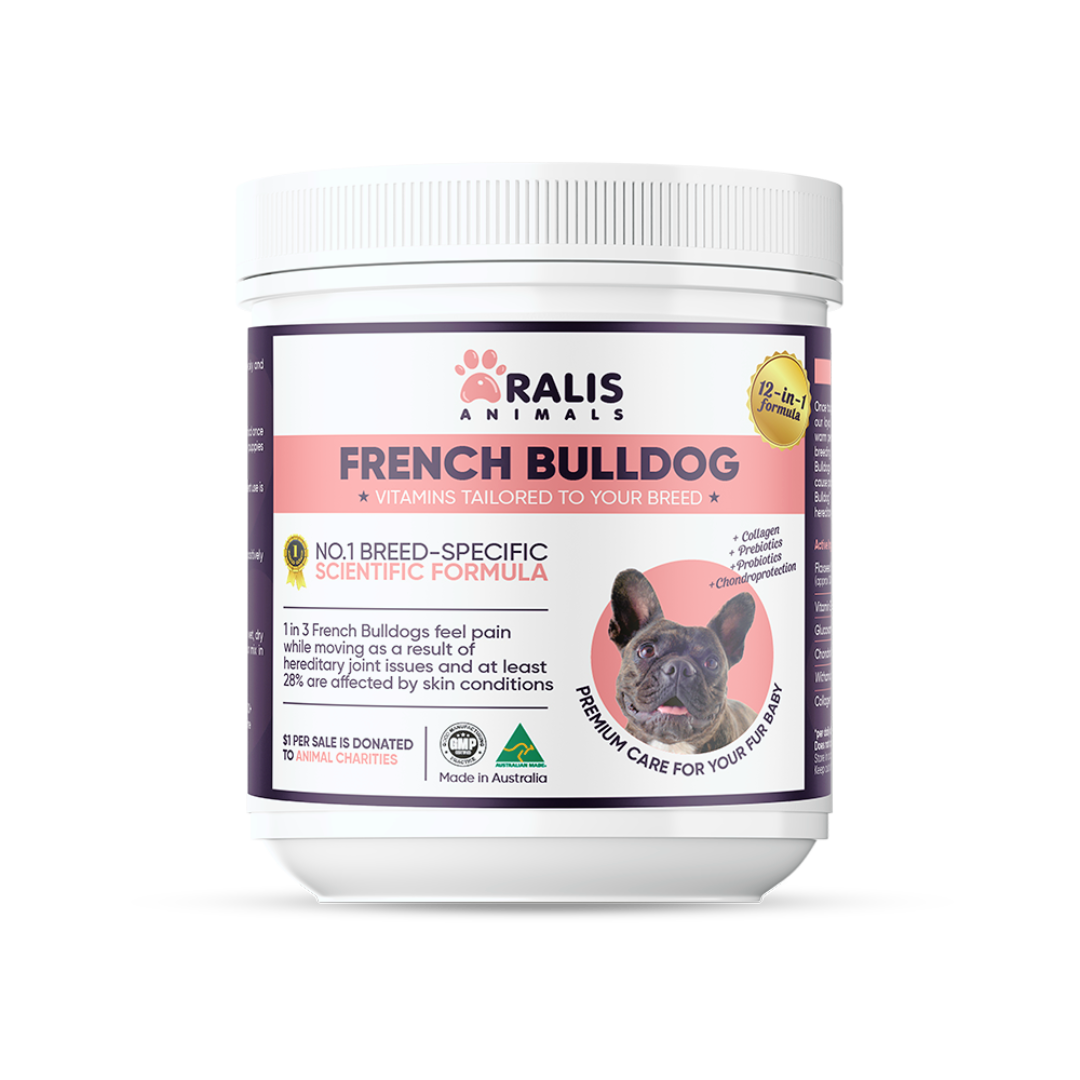
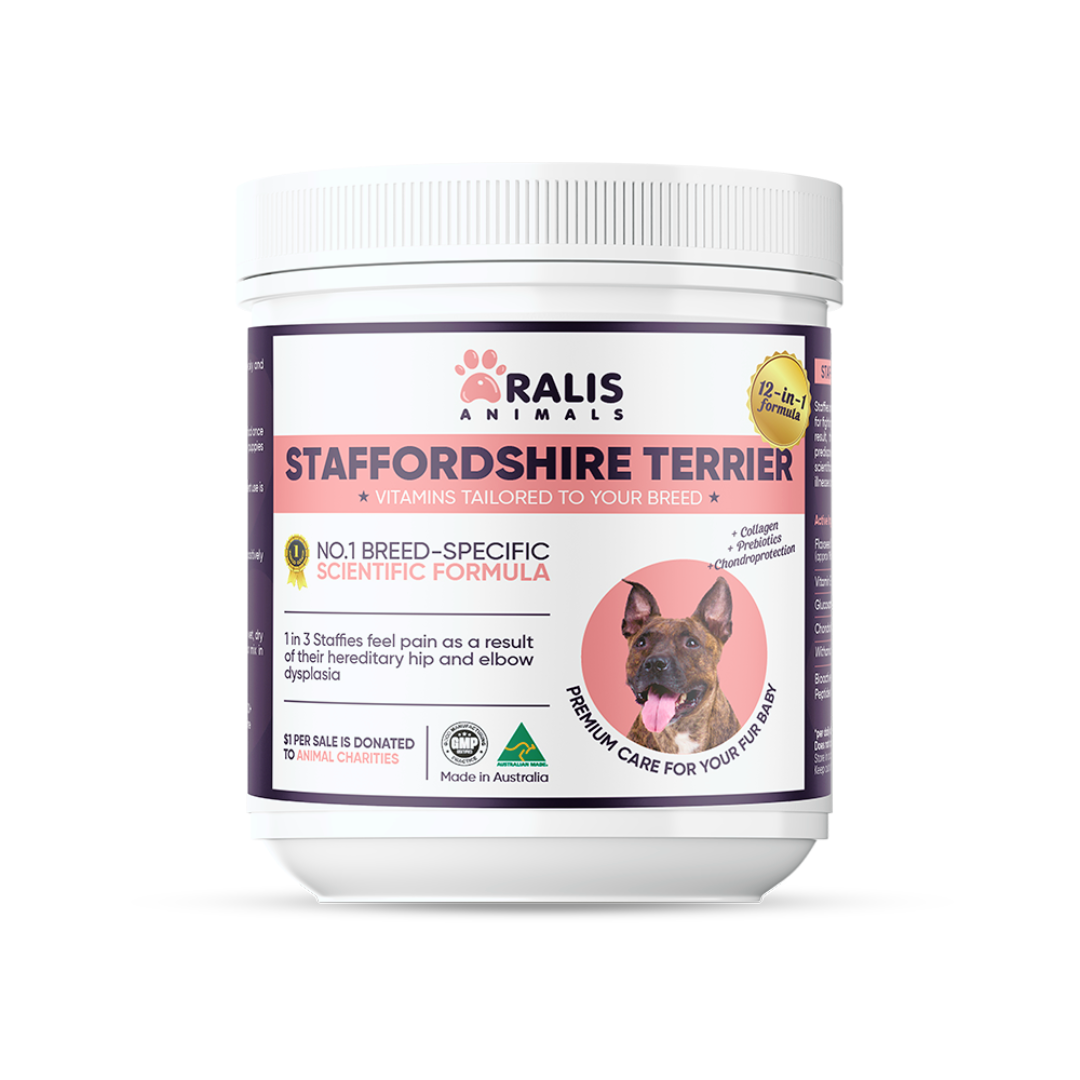
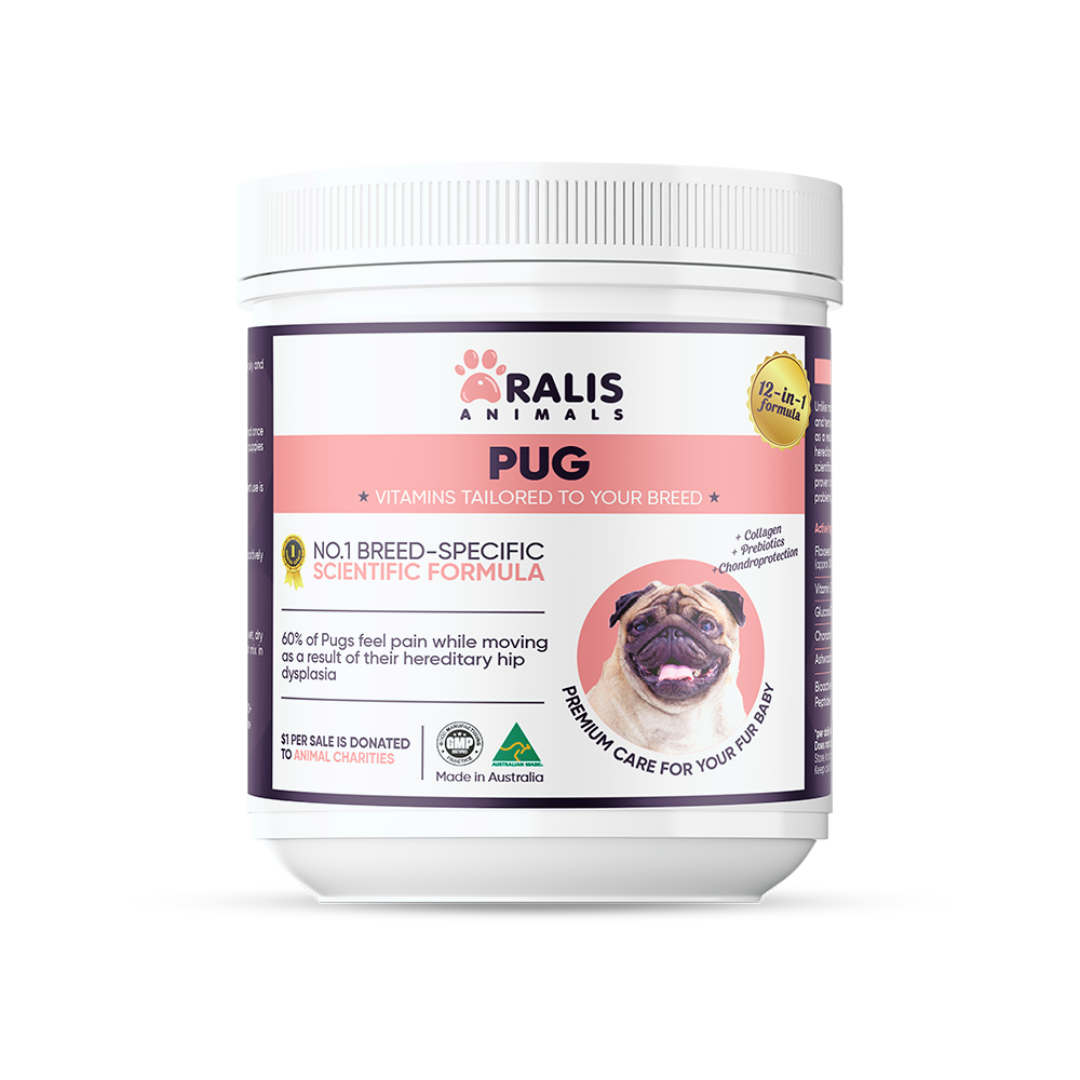
Not all dogs are the same, and their nutritional needs can vary based on breed, size, age, and individual health status. Breed-specific supplements take these factors into account, providing targeted support for your dog's unique needs. For example, larger breeds might require different probiotic strains or dosages than smaller breeds. Aralis Animals offers tailored solutions formulated with probiotics, prebiotics, and omega fatty acids to help support gut balance, calmer immune responses, and healthier skin from within—click here to explore more.
Additional Tips for Supporting Your Dog's Skin Health
While probiotics and prebiotics are crucial, they work best as part of a comprehensive approach to your dog's health.
Dietary Adjustments
Evaluate your dog's current diet and consider switching to a high-quality, whole-food-based option that avoids common dog allergies and artificial ingredients. Look for foods with named meat sources and minimal fillers. Some dogs benefit from limited ingredient diets or novel protein sources while their gut heals.
Supplements That Support Gut Health
In addition to probiotics and prebiotics, omega-3 fatty acids, bone broth, and L-glutamine can all support gut healing and reduce inflammation. These supplements work synergistically with probiotics to accelerate recovery.
When to Consult a Veterinarian
If your dog's symptoms are severe, persist despite dietary changes, or are accompanied by other health concerns, consult your veterinarian. They can rule out other conditions and provide additional guidance tailored to your dog's specific situation.
Conclusion
The connection between gut health and skin health in your dog is profound and often overlooked. What appears to be a simple skin allergy or mysterious itching problem frequently stems from an underlying gut imbalance. By addressing poor gut health through the strategic use of dog probiotics for itchy skin and prebiotics, you can tackle the root cause of your dog's discomfort rather than just treating the symptoms.
Your dog deserves to feel comfortable in their own skin, free from the constant urge to scratch and bite. By understanding the gut-skin connection and taking action to restore your dog's microbiome, you're investing in their long-term health and happiness. Explore Aralis Animals' breed-specific supplement solutions today and discover how the right nutritional support can transform your dog's health from the inside out.