


Why Staffies Are Prone to Allergies and Itchy Skin: A Complete Guide for Owners

Staffordshire Bull Terriers, affectionately known as Staffies, are beloved companions known for their loyalty, playfulness, and muscular build. However, many staffy owners face a common challenge: their dogs seem particularly susceptible to skin problems. If you've noticed your staffy constantly scratching, licking their paws, or displaying red, irritated skin, you're not alone. Staffy skin conditions are remarkably prevalent in this breed, and understanding why can help you provide better care for your furry friend. This comprehensive guide explores the reasons behind these issues and offers practical solutions to help your staffy live more comfortably.
Understanding Staffordshire Bull Terriers and Their Skin Sensitivity
Staffordshire Bull Terriers are a muscular, athletic breed with short coats that many assume would be low-maintenance. However, their genetic makeup makes them particularly vulnerable to various skin issues. The breed's short, dense coat and sensitive skin create an ideal environment for allergies and irritation to develop. Understanding this predisposition is the first step toward managing staffy health issues effectively.
The prevalence of skin problems in Staffies isn't a coincidence. Breed-specific characteristics, combined with environmental and dietary factors, create a perfect storm for allergic reactions and chronic itching. Staffy owners who recognize these patterns early can intervene with appropriate treatments and preventative measures, significantly improving their pet's quality of life.
Common Staffy Skin Conditions
Staffies are prone to several types of skin conditions that can cause significant discomfort. The most common include atopic dermatitis, contact dermatitis, and food-related allergies. Atopic dermatitis is particularly prevalent in the breed, affecting a substantial percentage of Staffordshire Bull Terriers at some point in their lives.
Yeast infections and bacterial infections are also frequent complications in Staffies, often developing secondary to primary allergic conditions. Mange, caused by mites, represents another concern, though it's less common in well-maintained dogs. Additionally, Staffies may develop seborrhea, a condition affecting the skin's oil production, leading to flaky, irritated skin.
The prevalence of these conditions in Staffies compared to other breeds suggests a genuine genetic predisposition. This doesn't mean your staffy is destined to suffer, but rather that proactive management becomes essential for maintaining their comfort and health.
Causes of Allergies and Itchy Skin in Staffies
Genetic Predisposition
The most significant factor contributing to staffy skin conditions is genetic predisposition. Staffordshire Bull Terriers have inherited traits that make their immune systems more reactive to potential allergens. Their skin barrier may be less effective at preventing irritants from penetrating, leading to increased sensitivity and allergic responses.
This genetic component means that even with perfect care, some Staffies will still experience allergies. However, understanding this predisposition allows owners to implement preventative strategies and catch problems early.
Environmental Factors
Environmental allergens play a crucial role in triggering dog allergies in Staffies. Pollen, dust mites, mold spores, and other airborne particles can cause significant reactions in sensitive dogs. Seasonal changes often exacerbate these issues, with many Staffies experiencing worse symptoms during spring and fall when pollen counts peak.
Humidity levels also affect staffy skin health. High humidity can promote yeast growth on the skin, while extremely dry conditions can compromise the skin barrier. Additionally, exposure to harsh chemicals, cleaning products, and certain fabrics can trigger contact dermatitis in sensitive Staffies.
Food-Related Triggers
Diet plays a substantial role in staffy health issues. Common food allergens for dogs include chicken, beef, wheat, corn, soy, and dairy products. Some Staffies develop sensitivities to specific proteins or grains, leading to systemic inflammation that manifests as skin problems.
Food allergies often cause more severe itching than environmental allergies, and affected dogs may experience gastrointestinal symptoms alongside skin issues. Identifying and eliminating problematic ingredients from your staffy's diet can dramatically improve their condition.
Parasites and Infections
Fleas, mites, and lice can trigger intense itching in Staffies, even if the dog isn't allergic to the parasites themselves. Additionally, secondary bacterial and yeast infections frequently develop when dogs scratch excessively, creating open wounds that become infected.
Regular parasite prevention is essential for Staffies, as their susceptibility to skin infections means that even minor infestations can escalate quickly into serious problems.
Recognizing the Symptoms of Allergic Itch in Dogs
Early recognition of dog skin allergy symptoms allows for prompt intervention. Common signs include excessive scratching, particularly around the face, ears, paws, and undercarriage. You might notice your staffy constantly licking their paws, sometimes to the point of causing hair loss and raw skin.
Dog itching and scratching may be accompanied by red, inflamed skin, hair loss, scabs, or crusting. Some Staffies develop ear infections, characterized by head shaking, ear scratching, and a foul odor. Facial swelling, hives, or other skin lesions can also indicate allergic reactions.
Behavioral changes often accompany skin problems. Your staffy might seem restless, have difficulty sleeping, or show signs of anxiety related to their discomfort. In severe cases, the constant irritation can lead to behavioral issues as the dog becomes increasingly frustrated by their condition.
Treatment Options for Staffy Skin Issues
Veterinary Treatments
A veterinarian can provide valuable guidance in diagnosing and treating staffy skin conditions. They may recommend antihistamines, corticosteroids, or newer immunosuppressive medications to manage allergic reactions. In cases of secondary infections, antibiotics or antifungal medications become necessary.
Prescription shampoos and medicated baths can provide relief and help manage symptoms. Some vets recommend allergy testing to identify specific triggers, though these tests aren't always conclusive in dogs.
Dog Itchy Skin Treatment Approaches
Managing dog itchy skin treatment requires a multi-faceted approach. Regular bathing with gentle, hypoallergenic shampoos can help remove allergens and soothe irritated skin. Omega-3 and omega-6 fatty acid supplements support skin health and reduce inflammation.
Topical treatments, including sprays and creams, can provide localized relief. Some owners find success with medicated wipes for paws and other affected areas. Maintaining proper humidity levels in the home and using air purifiers can reduce environmental allergens.
Dog Allergies Natural Treatment
Many staffy owners explore natural remedies alongside conventional treatments. Coconut oil, applied topically or added to food, has anti-inflammatory properties. Oatmeal baths can soothe irritated skin, while aloe vera provides cooling relief.
Probiotics support gut health and immune function, potentially reducing allergic responses. Quercetin, a natural antihistamine found in certain foods, may help manage allergic reactions. However, always consult your veterinarian before introducing new supplements or treatments.
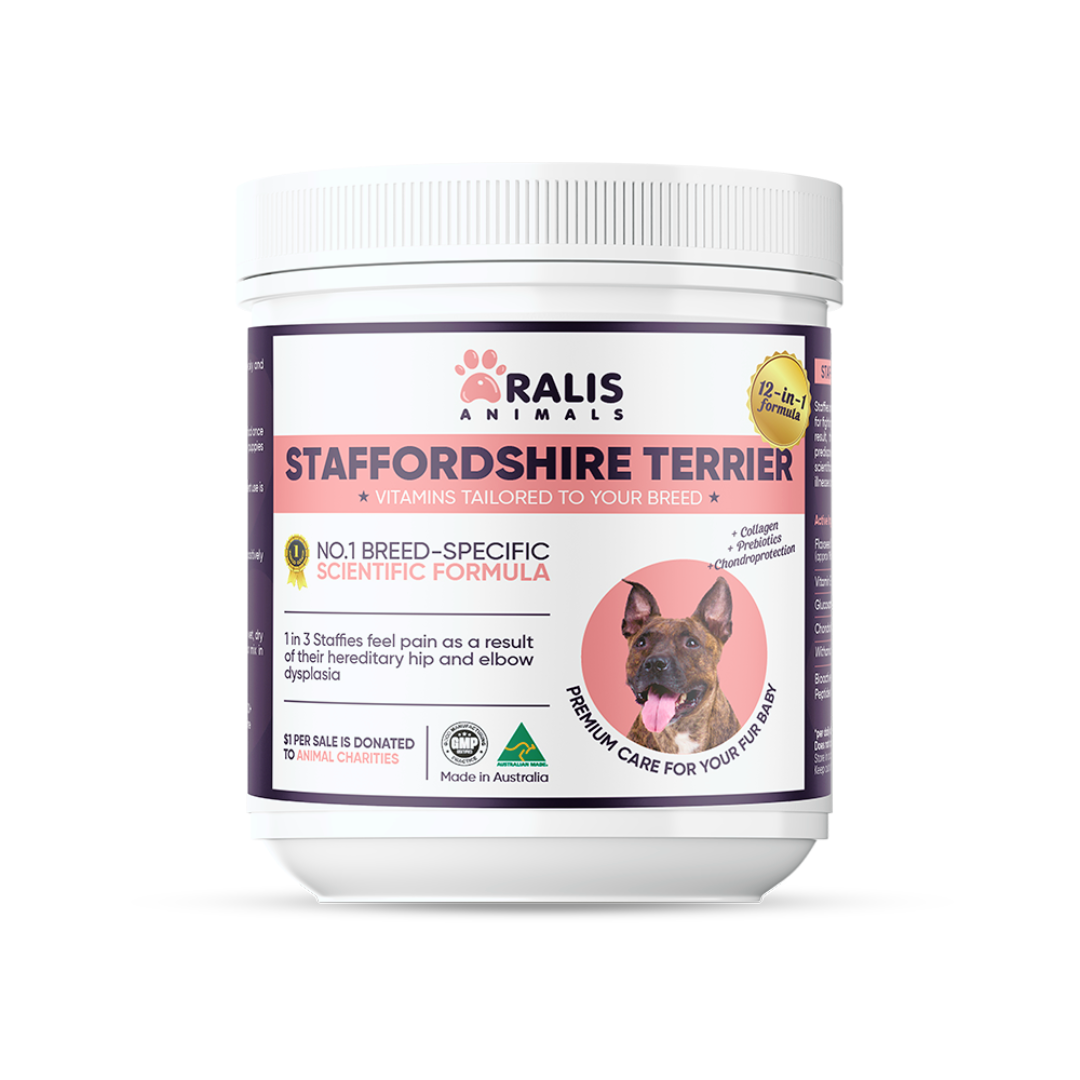
Our Aralis Animals Staffordshire Bull Terrier multivitamins are formulated with probiotics, omega fatty acids, zinc, and skin-supporting nutrients to help support gut balance, calm irritation, and keep itchy skin and paws more comfortable—discover daily support for sensitive Staffies here.
Prevention and Management Strategies
Dietary Adjustments
Implementing an elimination diet can help identify food triggers. Many staffy owners find success with limited-ingredient diets or novel protein sources. High-quality, grain-free foods often benefit Staffies with food sensitivities, though this isn't universal.
Adding omega-3 rich foods like fish or flaxseed supports skin health. Ensuring adequate hydration and proper nutrition strengthens the skin barrier and supports immune function.
Environmental Control
Minimizing environmental allergens involves regular home cleaning, using air filters, and controlling humidity levels. Washing bedding frequently in hypoallergenic detergent prevents allergen accumulation. Some owners find that keeping their staffy indoors during high pollen seasons helps reduce exposure.
Regular Grooming Practices
Frequent brushing removes loose hair and allergens from the coat. Regular baths with appropriate products help manage allergens and keep the skin clean. Trimming nails prevents damage from excessive scratching, and cleaning ears regularly prevents infections.
Aralis Animals Solutions for Staffy Health
Aralis Animals understands the unique health challenges facing Staffordshire Bull Terriers. Our breed-specific supplements are formulated to address the particular needs of Staffies, providing targeted support for skin health and immune function.
Our tailored solutions combine premium ingredients known to support coat quality, reduce inflammation, and strengthen the skin barrier. By choosing supplements specifically designed for your staffy's needs, you're providing comprehensive support that goes beyond generic pet products.
These breed-specific formulations take into account the genetic predisposition of Staffies to skin issues, offering preventative support that can reduce the severity and frequency of allergic reactions. Elevating your pet's health with scientifically-formulated supplements represents a proactive approach to managing staffy health issues.
Conclusion
Staffordshire Bull Terriers' susceptibility to allergies and itchy skin stems from a combination of genetic, environmental, and dietary factors. While this predisposition means Staffies require more attention to skin health than some breeds, understanding these issues empowers you to provide effective care.
By recognizing symptoms early, implementing preventative measures, and working with veterinary professionals, you can significantly improve your staffy's comfort and quality of life. Whether through dietary adjustments, environmental management, or targeted supplements from Aralis Animals, multiple strategies exist to address staffy skin conditions.
Remember that every Staffy is unique, and what works for one dog may not work for another. Patience, consistency, and professional guidance are key to finding the right combination of treatments and preventative measures for your beloved companion. With proper care and attention, your staffy can enjoy a comfortable, itch-free life.