


Why Border Collies Need Extra Joint Support as They Age

Border Collies are renowned for their intelligence, agility, and boundless energy. These remarkable dogs have been bred for centuries to herd sheep across challenging terrain, requiring exceptional athleticism and endurance. However, this same high-energy nature that makes them such wonderful companions also puts significant stress on their joints throughout their lives. As Border Collies age, providing proper joint support becomes increasingly important to maintain their quality of life and keep them active and comfortable in their golden years.
Understanding the Border Collie's Active Nature
Border Collies are among the most energetic dog breeds in existence. They were originally developed in the border country between Scotland and England, where they needed to work long hours in demanding conditions. This heritage has left them with an almost inexhaustible supply of energy and a drive to stay constantly active. Unlike many other dog breeds that are content with moderate exercise, Border Collies require extensive physical activity and mental stimulation to thrive.
This constant activity level, while wonderful for keeping these dogs healthy and engaged, also means their joints experience considerable wear and tear throughout their lives. Every jump, sprint, and sharp turn places stress on their hips, knees, elbows, and shoulders. Over time, this accumulated stress can lead to joint deterioration and the development of conditions that cause pain and reduced mobility.
Why Border Collies Are Prone to Joint Issues
Several factors make Border Collies particularly susceptible to joint problems as they age. Understanding these risk factors can help owners take proactive steps to protect their dogs' long-term health.
Genetic Predisposition
Border Collies have a genetic predisposition to hip dysplasia, a condition where the hip joint doesn't develop properly. This hereditary condition affects the fit between the femur and the hip socket, leading to instability and eventual arthritis. While responsible breeders work to minimize this risk through selective breeding and health screening, the condition remains relatively common in the breed. Even Border Collies from excellent bloodlines can develop hip dysplasia, particularly if they engage in intense physical activity during their growth years.
High-Impact Activities
The typical Border Collie lifestyle involves numerous high-impact activities that stress the joints. These dogs love to run at full speed, make sharp turns, jump over obstacles, and engage in intense play sessions. While these activities are essential for their mental and physical well-being, they also accelerate joint wear compared to less active breeds. A Border Collie that spends hours herding sheep or competing in agility trials will experience significantly more joint stress than a dog that takes leisurely walks around the neighborhood.
Cumulative Wear and Tear
Unlike acute injuries that happen suddenly, joint deterioration in Border Collies is often a gradual process resulting from cumulative wear and tear. Each day of intense activity adds to the stress on their joints. Over months and years, this accumulation can lead to cartilage breakdown, inflammation, and the development of osteoarthritis. By the time owners notice symptoms, significant damage may have already occurred.
Recognizing Signs of Joint Problems in Aging Border Collies
Early detection of joint issues is crucial for managing them effectively. Owners should watch for several warning signs that may indicate their Border Collie is experiencing joint problems.
Common Symptoms
Stiffness, particularly after rest or first thing in the morning, is often one of the first signs of joint problems. You might notice your Border Collie moving slowly when getting up from a nap or taking a few minutes to warm up before engaging in normal activity. Limping or favoring one leg, reluctance to jump or climb stairs, and difficulty rising from a lying position are also common indicators.
Some Border Collies may show behavioral changes, such as decreased interest in activities they once loved or reluctance to engage in their typical high-energy play. Pain and discomfort can also lead to irritability or changes in temperament. Weight gain can occur as dogs become less active due to joint pain, which further stresses the joints and creates a problematic cycle.
When to Consult a Veterinarian
If you notice any of these signs in your aging Border Collie, scheduling a veterinary appointment is important. Your veterinarian can perform a physical examination, assess your dog's gait, and potentially recommend diagnostic imaging such as X-rays to evaluate the extent of joint damage. Early intervention can significantly improve outcomes and help maintain your dog's quality of life.
The Role of Joint Support in Aging Dogs
As dogs age, their bodies naturally produce less of the substances that maintain healthy joints. Cartilage becomes thinner, synovial fluid production decreases, and inflammation becomes more common. These changes are particularly problematic for active breeds like Border Collies that have stressed their joints throughout their lives.
Proactive joint support can help slow the progression of joint deterioration and reduce pain and inflammation. By providing the building blocks and nutrients that joints need to maintain themselves, supplements can help keep aging Border Collies more comfortable and mobile. This is especially important for a breed that thrives on activity and engagement.
Key Ingredients for Optimal Joint Health
Several nutrients have been scientifically shown to support joint health in dogs.
Glucosamine and Chondroitin
Glucosamine is an amino sugar that plays a crucial role in building and maintaining cartilage. Chondroitin is a compound that helps cartilage retain water and resist compression. Together, glucosamine and chondroitin work to support cartilage structure and may help reduce the rate of cartilage breakdown. These ingredients are among the most researched and recommended for dogs with joint concerns.
Additional Joint Support Nutrients
Other beneficial ingredients include MSM (methylsulfonylmethane), which has anti-inflammatory properties, and hyaluronic acid, which is a component of synovial fluid that lubricates joints. Omega-3 fatty acids from fish oil also provide anti-inflammatory benefits. Green-lipped mussel and turmeric are natural ingredients that some studies suggest may help reduce inflammation and support joint function.
Selecting the Best Joint Supplements for Border Collies
When choosing joint supplements for your Border Collie, quality and breed-specific formulation matter significantly.
What to Look for in Quality Products
Look for supplements that contain clinically researched ingredients in appropriate dosages. The product should be from a reputable manufacturer that follows quality control standards. Third-party testing can provide additional assurance of product quality and ingredient accuracy.
Breed-specific supplements are particularly valuable because they account for the unique needs of different dog breeds. Border Collies, as an active and athletic breed, benefit from formulations specifically designed to support the joints of high-energy dogs. These supplements typically contain higher levels of joint-supporting ingredients and may include additional nutrients that support muscle and bone health.
Aralis Animals Breed-Specific Solutions
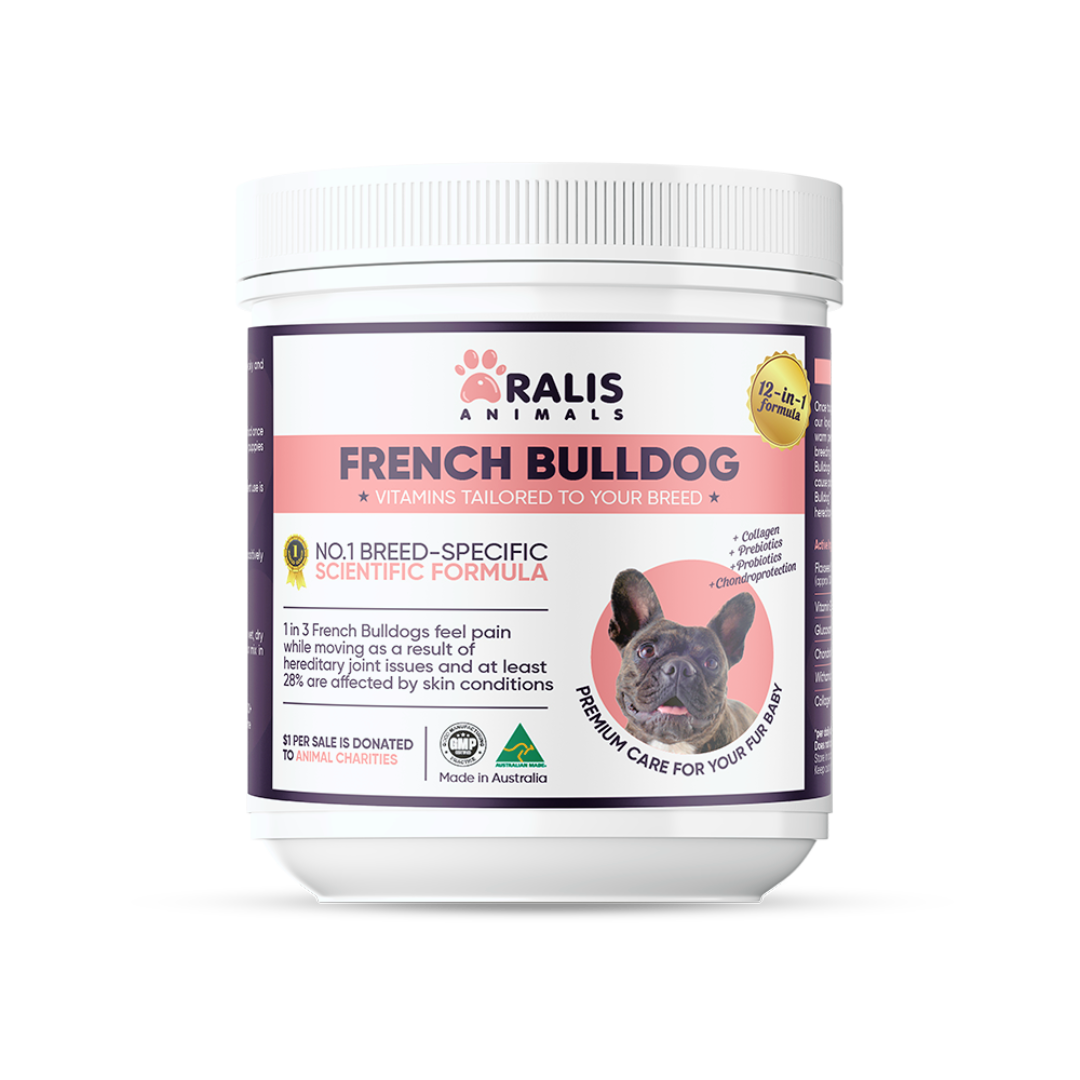
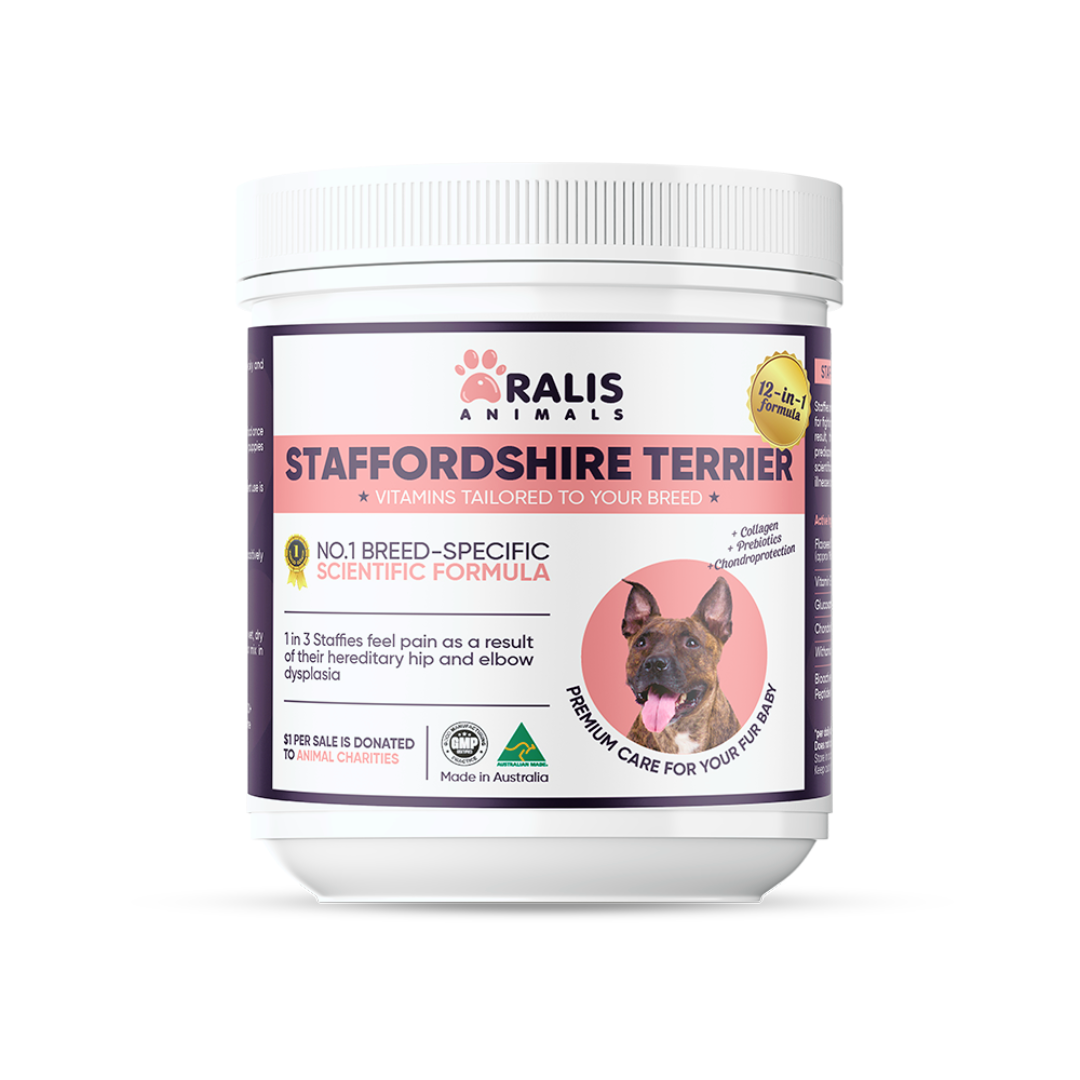
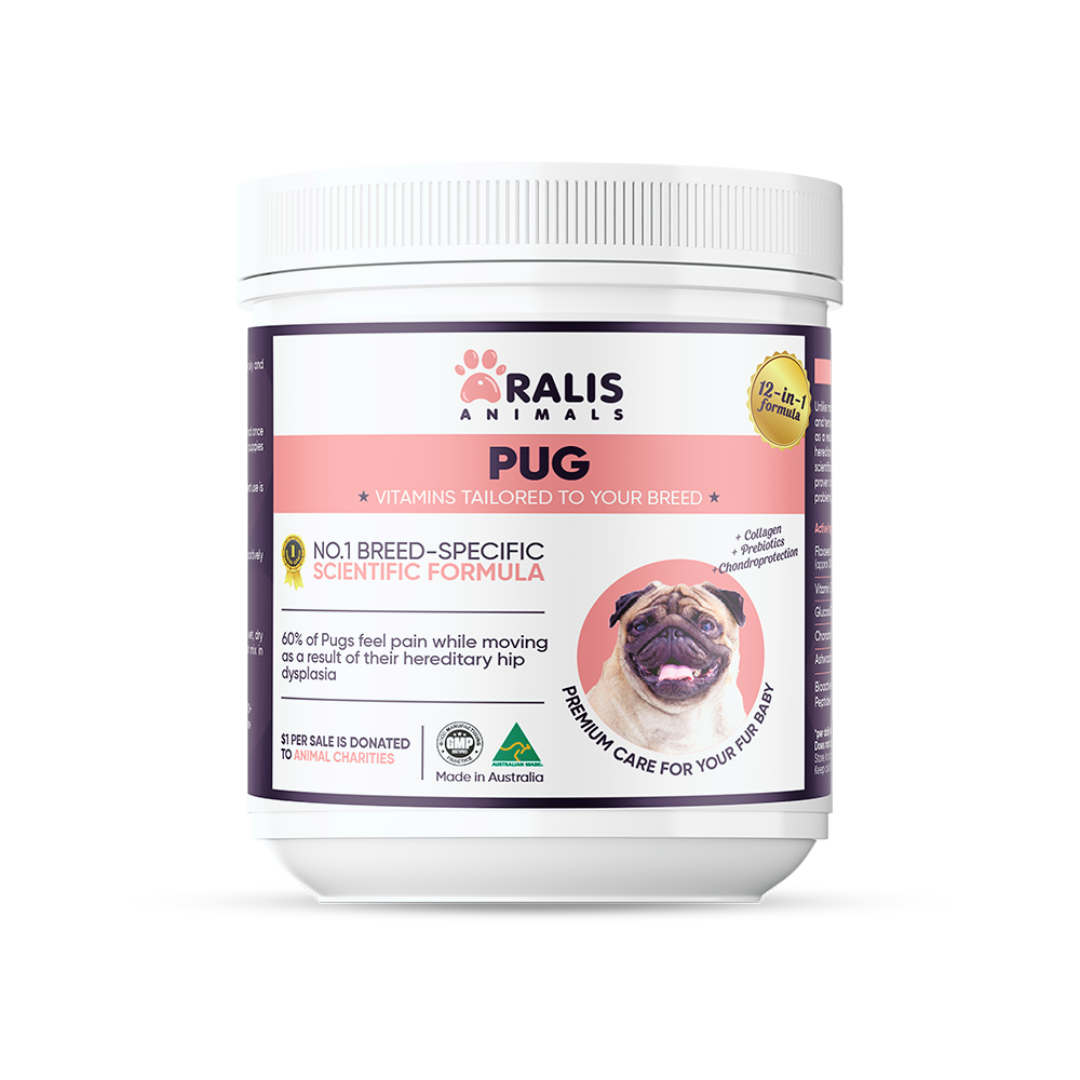
Aralis Animals specializes in breed-specific supplements designed to elevate your pet's health. It combine Glucosamine, Chondroitin, Collagen, Hyaluronic Acid, Turmeric, and L-Carnitine (63mg) to help support mobility, flexibility, recovery, and everyday vitality, so your companion can stay active for longer—discover daily support for active Border Collies here.
Additional Strategies for Supporting Joint Health
While supplements are valuable, they work best as part of a comprehensive approach to joint health.
Exercise and Activity Management
Maintaining appropriate exercise levels is crucial. While Border Collies need substantial activity, the type and intensity should be adjusted as they age. Low-impact activities like swimming and walking are gentler on joints than high-impact activities like jumping and running. Shorter, more frequent activity sessions may be better than occasional intense exercise sessions.
Weight Management
Excess weight places additional stress on joints. Maintaining a healthy weight is one of the most important things you can do for your aging Border Collie's joint health. Work with your veterinarian to determine an appropriate weight for your dog and adjust feeding accordingly.
Nutrition and Diet
A high-quality diet rich in omega-3 fatty acids and antioxidants supports overall health and can help reduce inflammation. Ensure your Border Collie receives balanced nutrition appropriate for their age and activity level.
Conclusion
Border Collies are remarkable dogs that bring joy and energy to their owners' lives. As they age, providing proper joint support becomes essential to maintaining their quality of life and keeping them active and comfortable. By understanding the unique joint health challenges facing this breed and taking proactive steps to support their joints, you can help ensure your Border Collie enjoys their senior years with minimal pain and maximum mobility. Consider incorporating breed-specific joint supplements from Aralis Animals into your aging Border Collie's health regimen, and consult with your veterinarian about the best approach to supporting your individual dog's joint health needs.