


When Itchy Skin Becomes a Cycle: How to Break the Lick–Scratch–Inflammation Loop

As a devoted pet parent, you've likely witnessed your canine companion's relentless scratching, licking, and chewing, driven by the persistent itch that plagues their skin. This frustrating cycle of discomfort can be a source of distress for both you and your furry friend, but understanding the underlying causes and implementing effective solutions can help break the pattern and restore your dog's comfort.
Understanding the Lick-Scratch-Inflammation Cycle
At the heart of this issue lies a complex interplay between your dog's immune system, environmental factors, and their natural instinct to seek relief. When your dog's skin becomes irritated or inflamed, it triggers a cascade of events that can quickly spiral out of control.
The cycle typically begins with an initial trigger, such as an allergen or skin irritant, which causes the skin to become itchy. In response, your dog will instinctively lick, scratch, or chew at the affected area, seeking to alleviate the discomfort. However, this physical stimulation can further exacerbate the inflammation, leading to more intense itching and a continuation of the cycle.
As the inflammation persists, the skin may become red, raw, and even susceptible to secondary infections, further compounding the problem. This self-perpetuating loop can be incredibly frustrating for both you and your canine companion, as the discomfort seems never-ending.
Common Causes of Itchy Skin in Dogs
Identifying the underlying cause of your dog's itchy skin is the first step in breaking the lick-scratch-inflammation cycle. Some of the most common culprits include:
Allergies
Environmental allergies to pollen, dust, or certain foods can trigger an immune response, leading to skin irritation and inflammation.
Environmental Triggers
Exposure to harsh chemicals, irritants, or even changes in the weather can disrupt the skin's natural barrier, causing itchiness.
Underlying Health Conditions
Conditions such as thyroid imbalances, bacterial or fungal infections, and even certain medications can contribute to chronic skin issues.
Understanding the specific trigger for your dog's itchy skin is crucial, as it will inform the most effective treatment approach.
Recognizing the Signs of Chronic Itching
As the lick-scratch-inflammation cycle persists, it's important to be vigilant in identifying the signs of chronic itching in your dog. Some of the most common indicators include:
Excessive Licking
Your dog may spend an inordinate amount of time licking, chewing, or nibbling at their paws, belly, or other affected areas.
Persistent Scratching
Constant scratching, often to the point of causing skin irritation or hair loss, is a clear sign of discomfort.
Skin Inflammation and Redness
The affected areas may appear red, swollen, or even develop hot spots, indicating an underlying inflammatory response.
If you notice these signs in your dog, it's crucial to address the issue promptly to prevent the cycle from spiraling and causing further discomfort.
Breaking the Cycle: Treatment Strategies
Addressing the lick-scratch-inflammation cycle requires a multifaceted approach, combining veterinary care, targeted supplements, and proactive environmental management. Here are some effective strategies to consider:
Veterinary Diagnosis
Consult with your veterinarian to determine the underlying cause of your dog's itchy skin. They may recommend allergy testing, skin biopsies, or other diagnostic tools to identify the root problem.
Targeted Supplements
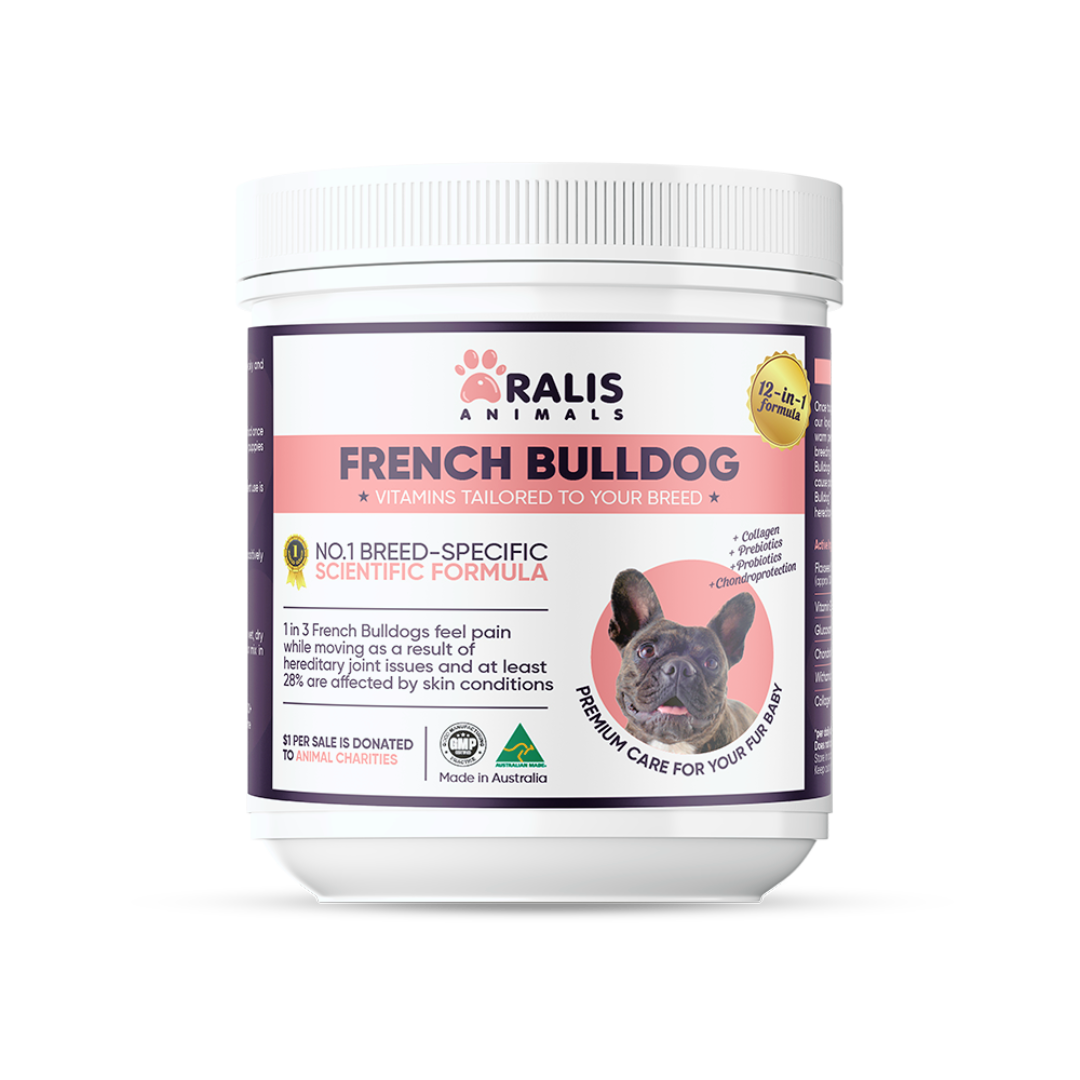
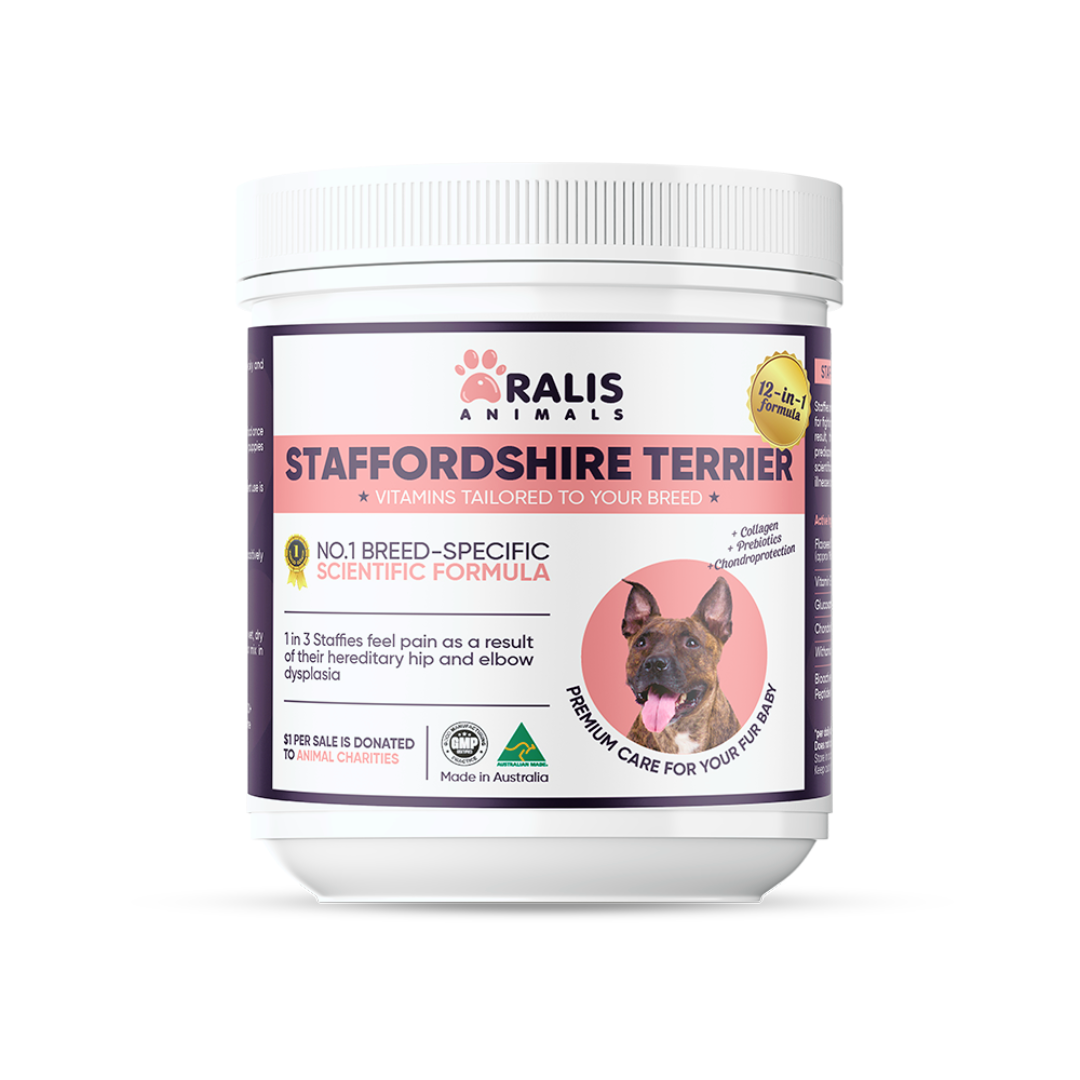
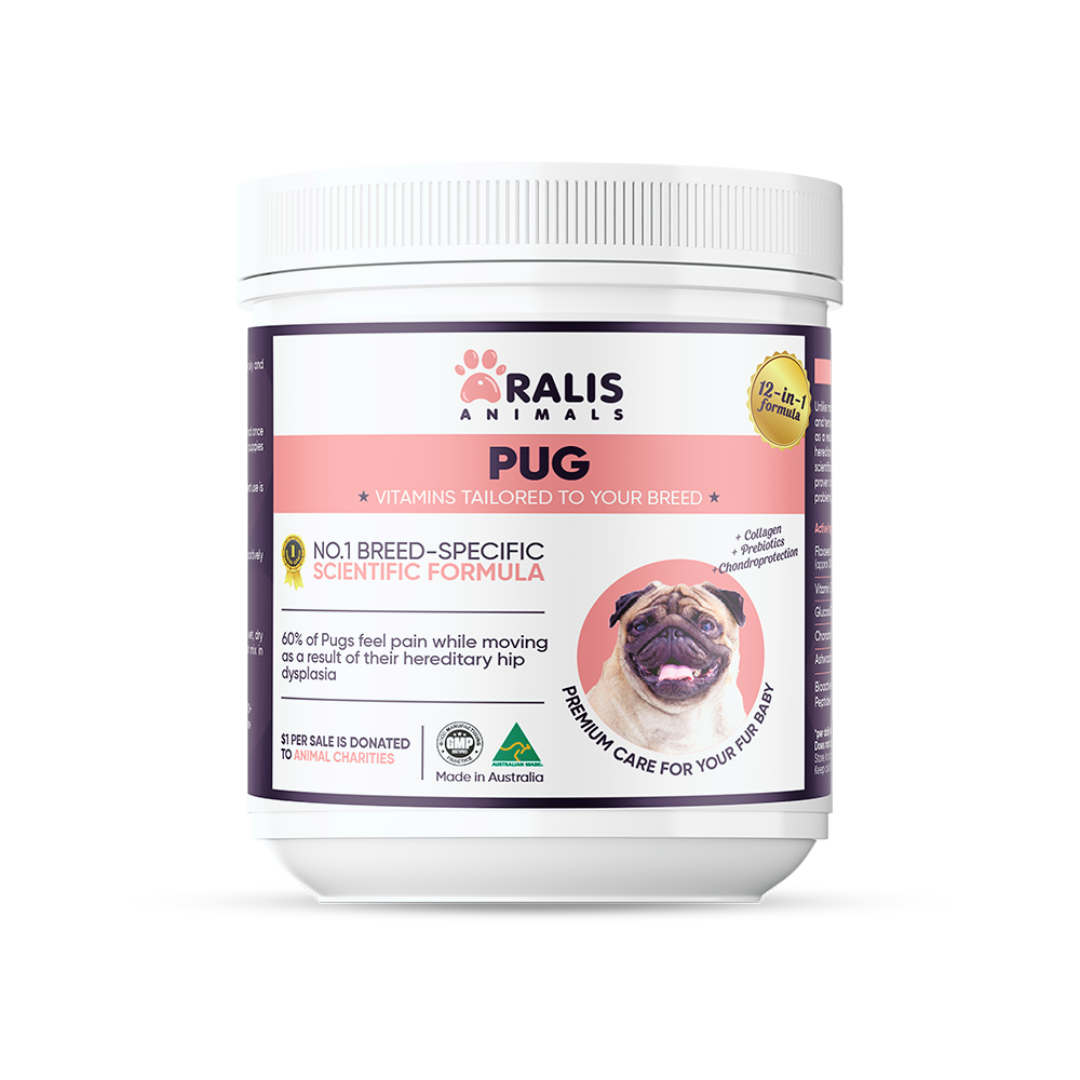
Certain breed-specific supplements, such as those formulated by Aralis Animals, can help support your dog's skin health and reduce inflammation. These tailored solutions may include omega-3 and omega-6 fatty acids, antioxidants, and other key nutrients.
Topical Treatments
Your veterinarian may prescribe medicated shampoos, creams, or ointments to soothe the affected areas and provide relief from the itch.
Preventive Measures
In addition to addressing the immediate symptoms, implementing proactive measures can help break the cycle and prevent future flare-ups. Consider the following strategies:
Diet and Nutrition
Ensuring your dog's diet is rich in skin-nourishing nutrients, such as omega-3 and omega-6 fatty acids, can help strengthen the skin's barrier and reduce inflammation.
Environmental Management
Minimizing exposure to known allergens, such as pollen or household chemicals, can help reduce the triggers that initiate the lick-scratch-inflammation cycle.
Regular Grooming
Keeping your dog's coat and skin clean and well-maintained can help prevent the buildup of irritants and promote overall skin health.
When to Seek Professional Help
While many cases of itchy skin can be managed with a combination of veterinary care and proactive home remedies, there may be times when you need to seek additional professional assistance. Consider reaching out to your veterinarian if:
Persistent Symptoms
Your dog's symptoms persist despite your best efforts, or the condition seems to be worsening over time.
Signs of Infection
If the affected areas become increasingly red, swollen, or emit a foul odor, it may indicate a secondary infection that requires medical treatment.
Breed-Specific Considerations
Certain dog breeds may be more prone to specific skin conditions, and your veterinarian can provide guidance on the most effective management strategies.
Conclusion
The lick-scratch-inflammation cycle can be a frustrating and debilitating experience for both you and your canine companion, but with the right approach, it is possible to break the pattern and restore your dog's comfort. By understanding the underlying causes, implementing targeted treatments, and adopting preventive measures, you can help your furry friend find relief and enjoy a happier, healthier life.
If you’re looking for gentle daily support to help break the lick-scratch cycle, a targeted skin and gut blend can be a simple place to start. Our Aralis Animals Multivitamins are designed to calm inflammation and support long-term skin balance, you’re welcome to learn more here.