


Rottweiler Joint Health: Supporting Strong Bones and Mobility

Rottweilers are magnificent, powerful dogs known for their strength, loyalty, and protective nature. However, their large size and muscular build come with specific health considerations, particularly when it comes to joint health. As a responsible Rottweiler owner, understanding how to maintain your dog's joint health is crucial for ensuring they enjoy a long, active, and comfortable life. This comprehensive guide explores everything you need to know about supporting your Rottweiler's bones and mobility through proper care, nutrition, and targeted supplementation.
Understanding Rottweiler Joint Problems
Rottweilers are predisposed to certain joint conditions due to their size and genetic factors. Understanding these common issues is the first step toward prevention and early intervention.
Hip Dysplasia Overview
Hip dysplasia is one of the most prevalent joint concerns affecting Rottweilers. This condition occurs when the hip joint doesn't develop properly, leading to a loose fit between the femur and hip socket. Rather than fitting snugly, the bones rub and grind against each other, causing deterioration over time. Hip dysplasia can be inherited, but environmental factors like rapid growth, excessive exercise during puppyhood, and poor nutrition can exacerbate the condition.
Many Rottweilers with hip dysplasia may not show symptoms immediately. Some dogs live relatively normal lives with mild cases, while others experience significant pain and mobility issues. Early detection through screening and preventative care can make a substantial difference in your dog's quality of life.
Arthritis in Dogs
Arthritis is another common concern for aging Rottweilers and those with existing joint problems. This degenerative joint disease involves the breakdown of cartilage that cushions the bones. As cartilage deteriorates, bones rub together, causing inflammation, pain, and reduced mobility. Dogs with arthritis often experience stiffness, particularly after rest, and may show reluctance to engage in activities they once enjoyed.
Arthritis can develop as a secondary condition following hip dysplasia or as a primary age-related issue. The good news is that with proper management, including appropriate exercise, weight control, and supplementation, many dogs with arthritis can maintain good quality of life well into their senior years.
Signs and Symptoms
Recognizing the early signs of joint problems in your Rottweiler is essential for timely intervention. Common symptoms include:
- Limping or favoring one or more legs
- Difficulty rising from a lying or sitting position
- Reluctance to jump, climb stairs, or engage in normal activities
- Stiffness, especially after rest or exercise
- Swelling around joints
- Changes in gait or posture
- Decreased activity level or lethargy
- Behavioral changes due to pain
If you notice any of these signs in your Rottweiler, consult your veterinarian promptly for proper diagnosis and treatment recommendations.
Joint Care Essentials
Maintaining your Rottweiler's joint health requires a multifaceted approach that goes beyond supplements alone. A comprehensive strategy includes preventative measures, appropriate exercise, weight management, and proper nutrition.
Preventative Measures
Prevention is always better than treatment when it comes to joint health. Start with responsible breeding practices if you're acquiring a Rottweiler puppy. Choose breeders who screen their breeding dogs for hip dysplasia and other genetic conditions. Ask for health certifications and test results before committing to a puppy.
During your Rottweiler's growth phase, avoid excessive jumping, running on hard surfaces, or intense exercise that puts strain on developing joints. While puppies need exercise for healthy development, controlled, low-impact activities are preferable to high-impact play during the first 12-18 months of life.
Exercise and Weight Management
Maintaining an ideal weight is one of the most important factors in supporting your Rottweiler's joint health. Extra weight places additional stress on joints, accelerating wear and tear. Rottweilers are prone to obesity, so monitoring food intake and ensuring regular exercise is critical.
Appropriate exercise helps maintain muscle mass, which supports and stabilizes joints. However, the type of exercise matters. Low-impact activities like swimming, walking on soft surfaces, and controlled play are gentler on joints than high-impact activities like jumping or running on hard pavement. Aim for consistent, moderate exercise rather than sporadic intense activity.
Nutrition's Role in Joint Health
A high-quality diet forms the foundation of joint health. Look for dog foods that include essential nutrients supporting bone and cartilage health. Omega-3 fatty acids, found in fish oil and flaxseed, have anti-inflammatory properties beneficial for joint health. Protein is essential for maintaining muscle mass that supports joints.
Additionally, ensure your Rottweiler receives adequate calcium and phosphorus in proper ratios. These minerals are crucial for bone strength and development. However, avoid excessive calcium supplementation in growing puppies, as this can actually increase the risk of developmental orthopedic disease.
Hip and Joint Supplements for Dogs
While proper nutrition and exercise form the foundation of joint care, targeted supplements can provide additional support, particularly for dogs with existing joint issues or those at high risk.
Glucosamine and Chondroitin Benefits
Glucosamine and chondroitin are among the most researched and widely recommended joint supplements for dogs. Glucosamine is an amino sugar that helps maintain cartilage structure and may stimulate cartilage repair. Chondroitin works synergistically with glucosamine by helping cartilage retain water and resisting compression.
Together, glucosamine and chondroitin for dogs can help reduce inflammation, slow cartilage degradation, and improve joint function. Many dogs show noticeable improvements in mobility and comfort within 4-6 weeks of consistent supplementation, though some may take longer to respond. Supporting your Rottweiler with the right combination of glucosamine, chondroitin, and anti-inflammatory nutrients like omega-3 fatty acids can make a meaningful difference in their daily comfort. You can explore our Aralis Animals Multivitamins here to see how these ingredients work together for large breeds.
How Supplements Support Bone Strength
Beyond glucosamine and chondroitin, other supplements support overall joint health. MSM (methylsulfonylmethane) provides sulfur, which is involved in collagen and cartilage formation. Green-lipped mussel contains natural glucosamine, chondroitin, and omega-3 fatty acids. Hyaluronic acid helps maintain synovial fluid that lubricates joints.
These supplements work through various mechanisms to reduce inflammation, support cartilage health, improve lubrication, and strengthen the structures surrounding joints. The best joint supplements for dogs often combine multiple beneficial ingredients for comprehensive support.
Choosing Quality Supplements
Not all supplements are created equal. When selecting hip and joint supplements for dogs, look for products from reputable manufacturers that conduct third-party testing. Check for clear ingredient lists and appropriate dosing guidelines based on your dog's weight.
Quality supplements should contain therapeutic doses of active ingredients. Some products contain only trace amounts of beneficial compounds, making them ineffective. Additionally, consider your dog's specific needs. A young Rottweiler at risk for hip dysplasia may benefit from preventative supplementation, while an older dog with arthritis might need higher doses or additional anti-inflammatory ingredients.
Aralis Animals Solutions
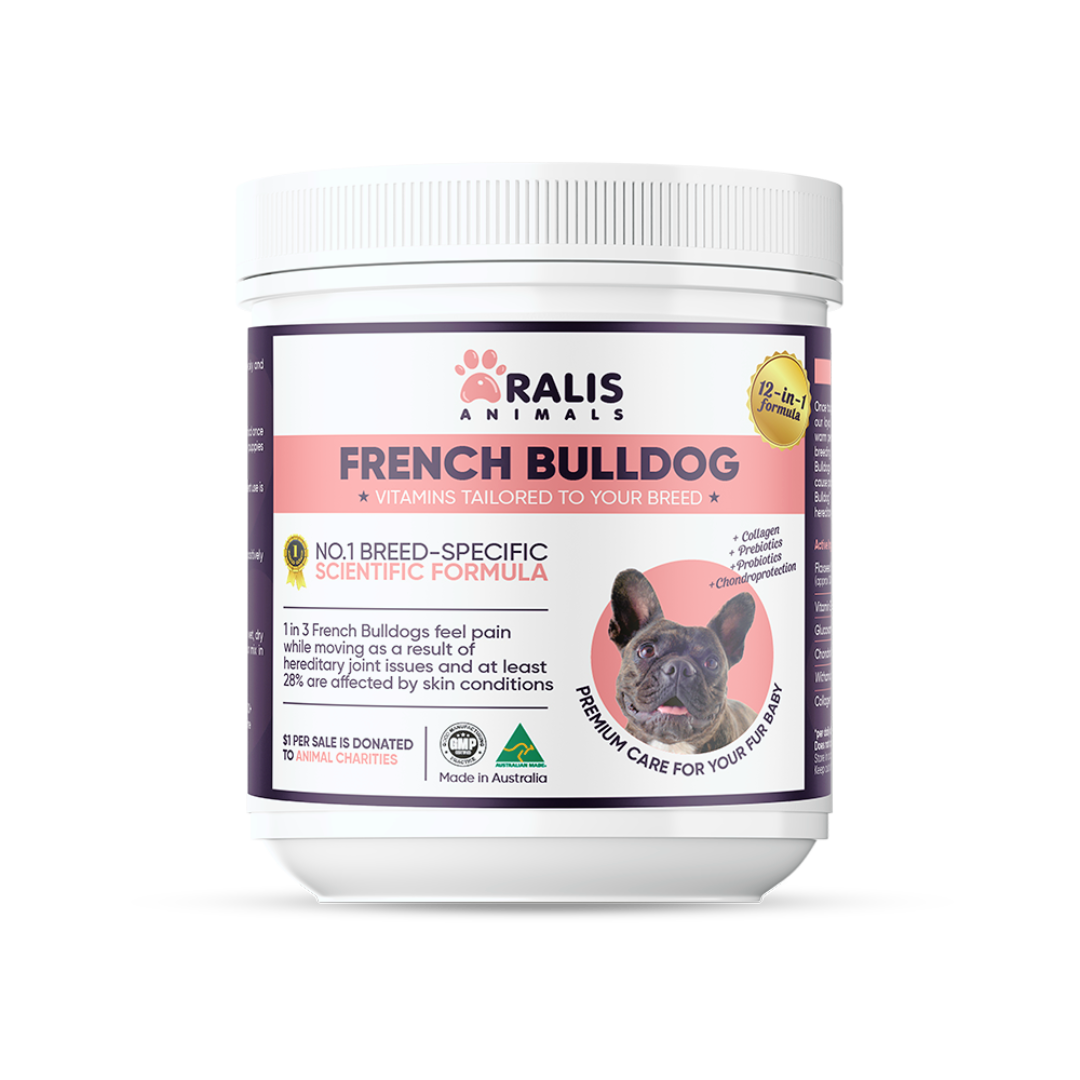
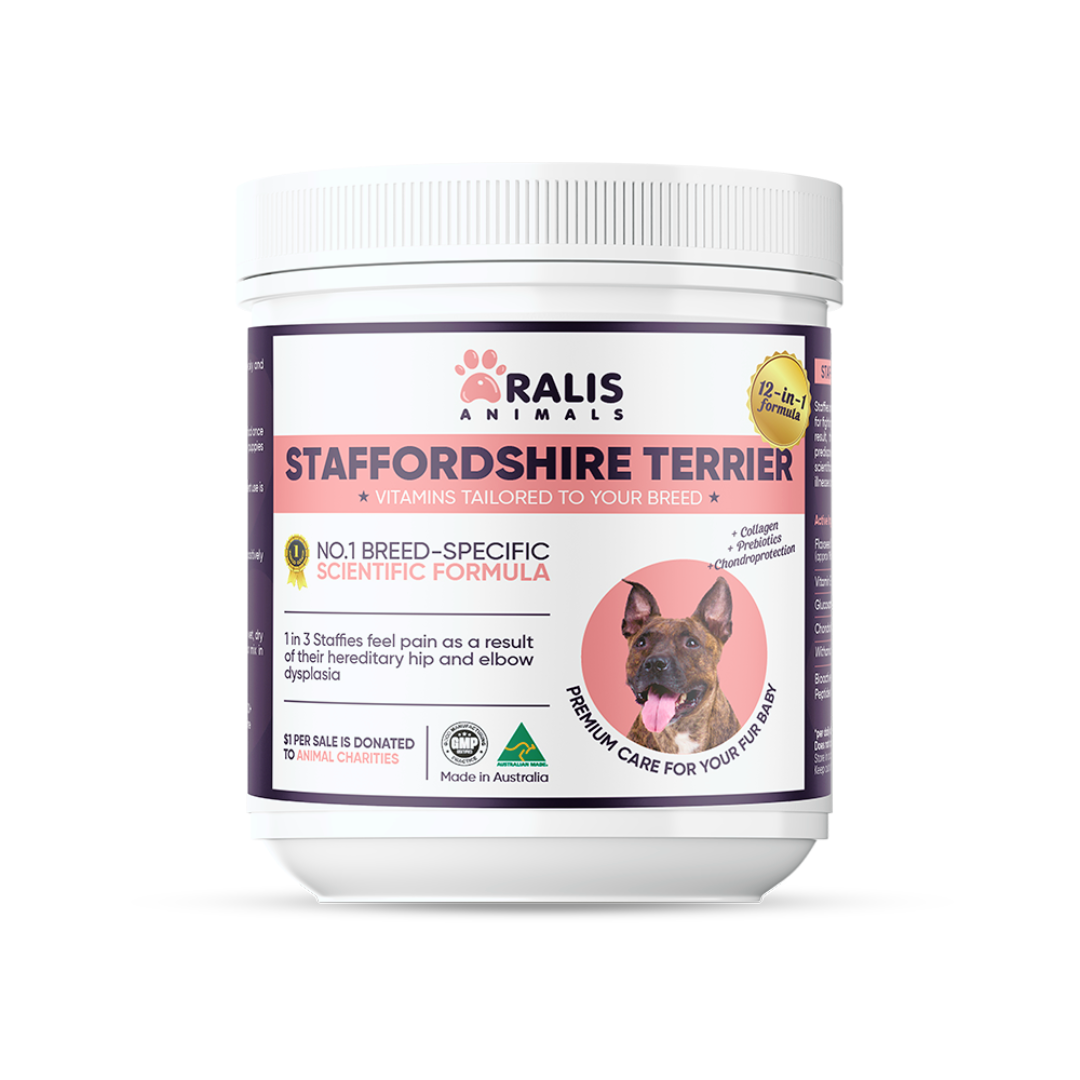
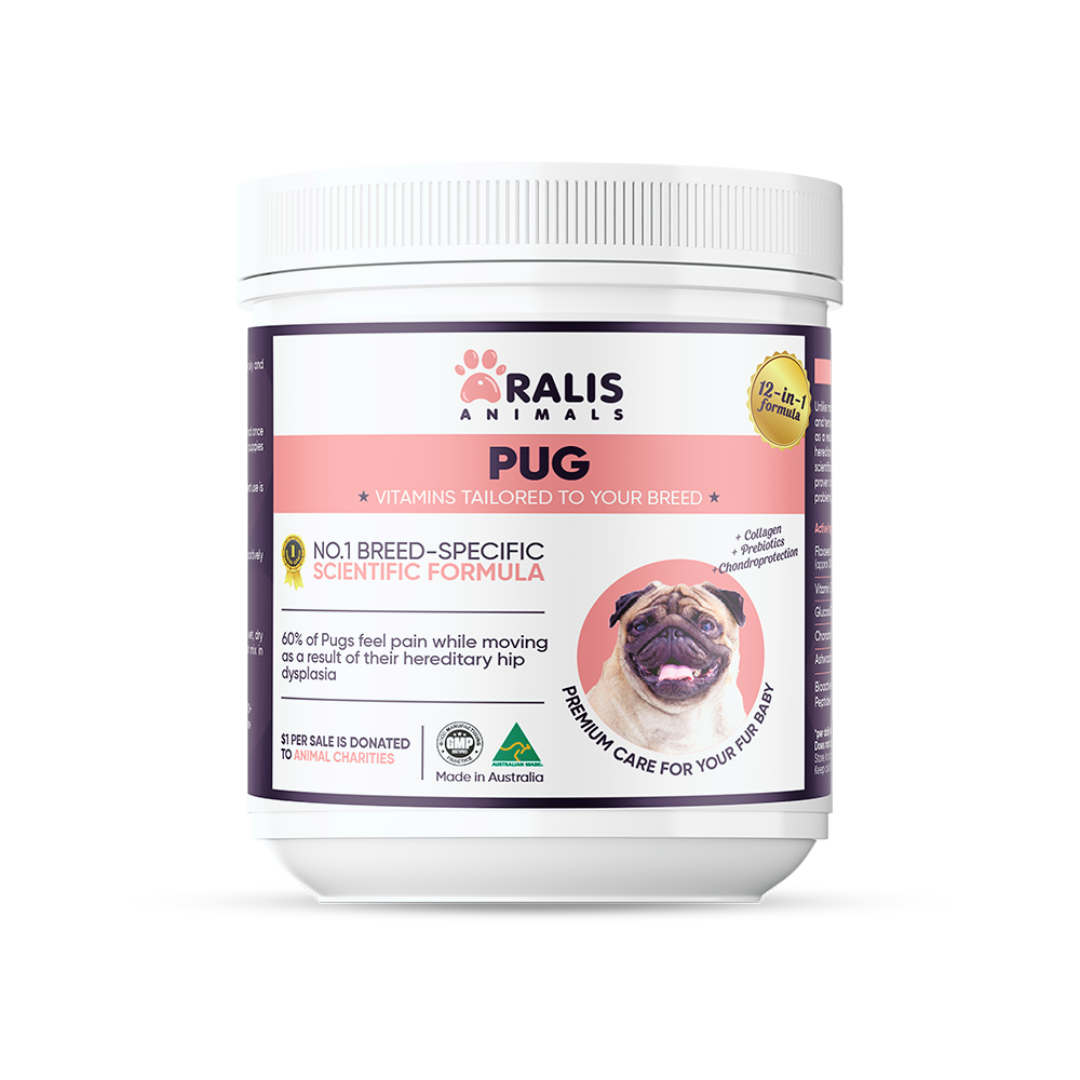
At Aralis Animals, we understand that every dog is unique, and their nutritional needs vary based on breed, age, and health status. Our breed-specific supplements are formulated to address the particular joint health challenges that Rottweilers face.
Breed-Specific Supplement Options
Our Rottweiler-focused joint supplements are carefully formulated with the right balance of glucosamine, chondroitin, and complementary ingredients to support the specific needs of this large breed. We recognize that Rottweilers require robust support for their substantial frames and active lifestyles.
Our supplements are designed to support dogs with arthritis, those recovering from joint issues, and healthy dogs seeking preventative care. Each formula is developed with input from veterinary nutritionists and tested for quality and efficacy.
Why Tailored Supplements Matter for Rottweilers
Generic supplements may not provide optimal support for breed-specific concerns. Rottweilers have particular vulnerabilities to hip dysplasia and joint stress due to their size and genetic predisposition. Breed-specific formulations account for these factors, providing targeted support that addresses the unique challenges your Rottweiler faces.
Tailored supplements ensure your dog receives appropriate ingredient ratios and dosages for maximum effectiveness. This personalized approach to supplementation demonstrates our commitment to elevating your pet's health through science-backed, breed-appropriate solutions.
Supporting Your Rottweiler's Mobility
Long-term joint care requires a sustained commitment to multiple strategies working together to maintain your Rottweiler's mobility and quality of life.
Long-Term Joint Care Strategies
Consistency is key in joint health management. Maintain regular exercise routines, monitor weight carefully, and provide supplements as recommended. Schedule regular veterinary check-ups to assess your dog's joint health and adjust care strategies as needed.
Consider environmental modifications that reduce stress on joints. Provide orthopedic bedding that supports proper alignment. Use ramps or steps to minimize jumping. Keep your home at a comfortable temperature, as cold can exacerbate joint stiffness.
When to Consult a Veterinarian
If you notice signs of joint problems or if your Rottweiler's mobility declines, consult your veterinarian promptly. Professional evaluation can identify specific issues and guide appropriate treatment. Your vet may recommend imaging studies like X-rays to assess joint damage and determine the best course of action.
Treatment Options for Arthritis
For dogs with arthritis, multiple treatment options exist beyond supplements. These may include prescription medications like NSAIDs to manage pain and inflammation, physical therapy to maintain mobility, or in some cases, surgical interventions. Your veterinarian can discuss which options are appropriate for your dog's specific situation.
Conclusion
Supporting your Rottweiler's joint health is one of the most important investments you can make in their long-term wellbeing. By combining preventative measures, appropriate exercise, proper nutrition, and targeted supplementation, you can help your beloved companion maintain strong bones and excellent mobility throughout their life.
Rottweilers deserve to live their best lives, free from the limitations of joint pain and mobility issues. Whether your dog is a young puppy at risk for hip dysplasia or a senior managing arthritis, Aralis Animals is here to support your joint health journey with breed-specific supplements formulated for your Rottweiler's unique needs. Invest in your dog's joint health today and enjoy many more years of active companionship with your loyal friend.