


Pug Health Problems: Common Concerns and Prevention Tips

Pugs are beloved companion dogs known for their charming personalities, distinctive wrinkled faces, and affectionate nature. However, these adorable little dogs are prone to several breed-specific health issues that owners should be aware of. Understanding common pug health problems and implementing preventative measures can significantly improve your pet's quality of life and longevity. At Aralis Animals, we believe that breed-specific care is essential for keeping your pug healthy and thriving throughout their life.
Understanding Pug Health Vulnerabilities
Pugs have unique anatomical characteristics that make them susceptible to certain health conditions. Their flat faces, compact bodies, and genetic predispositions require specialized attention and care. Unlike larger dog breeds, pugs have specific nutritional needs and are prone to particular ailments that responsible owners should understand. By recognizing these vulnerabilities early, you can take proactive steps to prevent serious complications and ensure your pug enjoys a long, comfortable life.
The importance of breed-specific care cannot be overstated. Generic dog care approaches may not address the unique needs of pugs, which is why tailored solutions are so valuable. Whether it's through proper nutrition, targeted supplements, or lifestyle adjustments, understanding your pug's specific health requirements is the first step toward responsible pet ownership.
Common Pug Health Problems
Respiratory Issues
One of the most prevalent pug health problems is respiratory distress. Due to their brachycephalic (flat-faced) structure, pugs have narrowed airways that can lead to breathing difficulties. This condition, known as brachycephalic airway syndrome, causes snoring, snorting, and in severe cases, exercise intolerance and heat sensitivity.
Pugs are particularly vulnerable during hot weather and strenuous activity. They may struggle to regulate their body temperature and can overheat quickly. Signs of respiratory distress include excessive panting, difficulty breathing during play, and unusual lethargy. If your pug exhibits these symptoms, it's crucial to consult with a veterinarian promptly.
Skin Conditions and Allergies
Pug skin issues are extremely common and can significantly impact your pet's comfort and quality of life. Pugs have sensitive skin that's prone to various conditions, including dermatitis, fungal infections, and bacterial infections. Their skin folds, while adorable, create warm, moist environments where bacteria and yeast can thrive.
Common dog allergies in pugs include food allergies, environmental allergies, and contact allergies. These can manifest as itching, redness, hair loss, and skin infections. Regular grooming and proper hygiene are essential for managing these conditions.
Joint and Bone Problems
As pugs age, they become increasingly susceptible to joint health issues. Pug hip dysplasia, patellar luxation, and arthritis are common concerns in this breed. These conditions can cause pain, limping, and reduced mobility, significantly affecting an aging dog's quality of life.
Eye Concerns
Pugs are prone to various eye problems, including corneal ulcers, cataracts, and progressive retinal atrophy. Their large, prominent eyes are more exposed to injury and irritation, making regular eye care essential.
Pug Skin Issues and Allergies in Detail
Understanding Common Triggers
Dog skin issues in pugs often stem from multiple sources. Food allergies are among the most common culprits, with chicken, wheat, and corn being frequent triggers. Environmental allergens such as pollen, dust mites, and mold can also cause significant skin reactions. Additionally, parasites like fleas and mites can exacerbate skin problems.
Recognizing Signs and Symptoms
If your pug is suffering from skin issues or dog allergies, you may notice excessive scratching, licking, or biting at their skin. Red, inflamed patches, hair loss, and a distinctive odor are also common indicators. Some pugs develop secondary infections due to constant scratching, which can complicate the original condition.
Prevention Strategies
Preventing pug skin issues requires a multi-faceted approach. Regular bathing with gentle, hypoallergenic shampoos helps maintain skin health. Keeping your pug's skin folds clean and dry is crucial for preventing bacterial and yeast infections. A high-quality diet rich in omega-3 and omega-6 fatty acids supports skin health from within.
Regular veterinary check-ups can help identify allergies early before they become severe. Your veterinarian may recommend elimination diets to identify food allergies or suggest allergy testing for environmental triggers.
Joint Health for Aging Pugs
Age-Related Concerns
As pugs enter their senior years, joint health becomes increasingly important. Pugs typically live between 12 to 15 years, and aging dog care becomes essential in their later years. Arthritis and other degenerative joint conditions become more prevalent with age, causing discomfort and reduced mobility.
Supporting Mobility and Comfort
Maintaining a healthy weight is crucial for reducing stress on your pug's joints. Regular, gentle exercise helps keep joints flexible and muscles strong. Providing orthopedic bedding and ramps or stairs to help your pug access furniture can significantly improve their comfort.
Supplements specifically designed for joint health can make a tremendous difference. Glucosamine and chondroitin are well-known joint support ingredients, while omega-3 fatty acids have anti-inflammatory properties that benefit aging joints.
Prevention and Management Tips
Proper Nutrition
A balanced, high-quality diet is the foundation of pug health. Look for dog foods that list real meat as the primary ingredient and avoid common allergens if your pug has sensitivities. Consider incorporating fresh vegetables and lean proteins into their diet.
Proper nutrition supports everything from skin health to joint function. A canine multivitamin can help fill nutritional gaps and ensure your pug receives all essential vitamins and minerals.
Regular Exercise
While pugs don't require extensive exercise like larger breeds, regular activity is essential for maintaining healthy weight and muscle tone. Short walks, indoor play, and swimming are excellent low-impact exercises for pugs. However, be mindful of temperature and avoid strenuous activity during hot weather.
Veterinary Care
Regular veterinary check-ups are non-negotiable for pug owners. Annual or bi-annual visits allow your veterinarian to monitor your pug's health, catch potential problems early, and provide preventative care recommendations. Senior pugs may benefit from more frequent check-ups.
The Role of Vitamins and Supplements
Benefits of Canine Multivitamins
A quality canine multivitamin provides essential nutrients that support overall health. These supplements can boost immune function, support skin and coat health, and promote joint function. For pugs with dietary restrictions or allergies, a multivitamin ensures they're not missing crucial nutrients.
Breed-Specific Supplement Solutions
Not all supplements are created equal, and generic dog vitamins may not address your pug's specific needs. Breed-specific supplements are formulated with the unique health concerns of pugs in mind. These targeted solutions can address respiratory support, skin health, joint function, and digestive wellness simultaneously.
Aralis Animals Tailored Approach
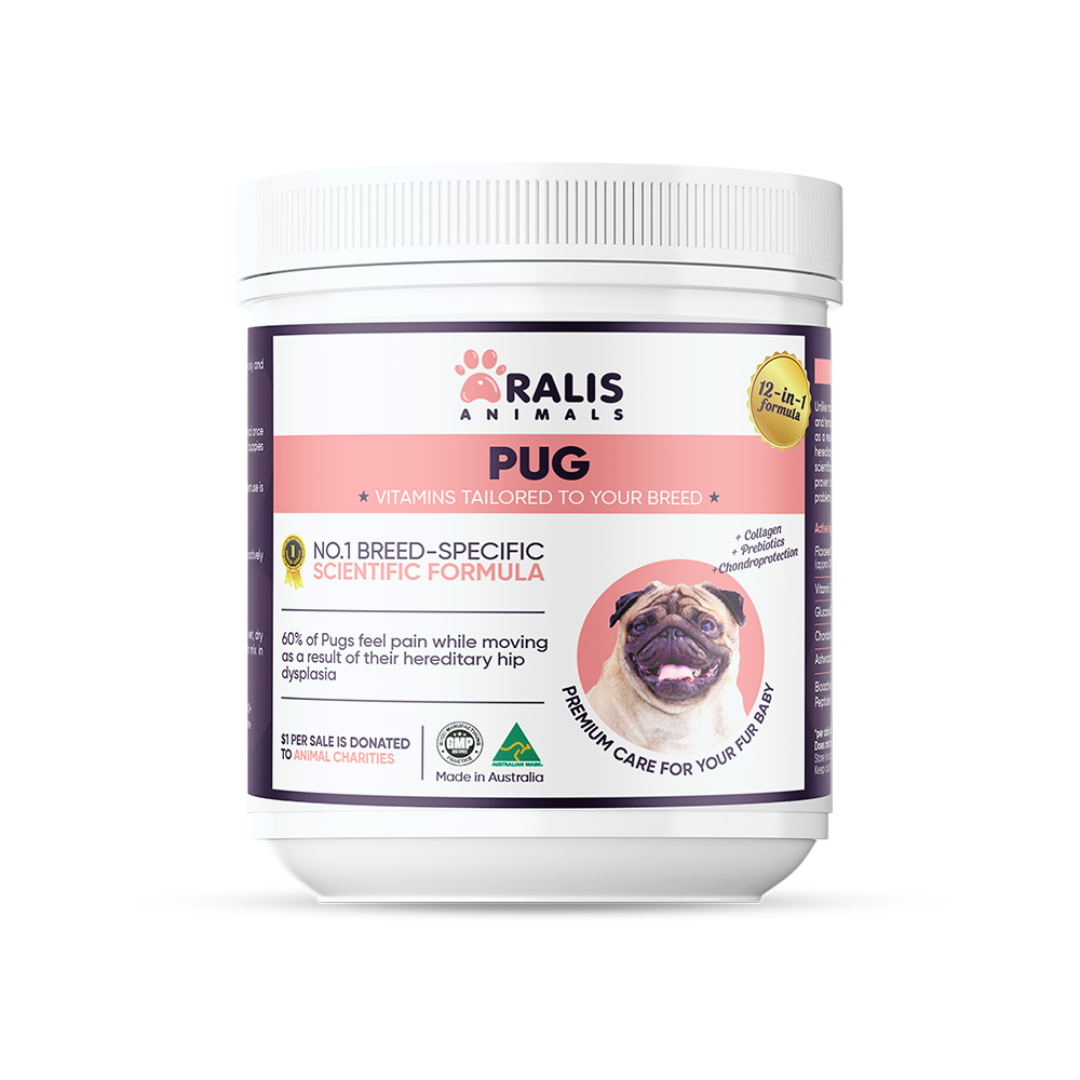
At Aralis Animals, we understand that every pug is unique, with individual health needs and challenges. Our Aralis Animals Pug multivitamins contain Glucosamine, Chondroitin, Collagen, Hyaluronic Acid, Saccharomyces boulardii, Flaxseed Meal, Vitamin E, and Zinc to help support healthy joints, skin, digestion, and everyday wellbeing. By choosing Aralis Animals products, you're investing in your pug's long-term health and quality of life. Give your Pug the daily support they deserve here.
Conclusion
Pug health problems are a reality of pug ownership, but they don't have to significantly impact your pet's happiness and longevity. By understanding common concerns, implementing preventative measures, and providing proper nutrition and supplementation, you can help your pug thrive.
Proactive health management is the key to ensuring your pug enjoys a comfortable, active life. Regular veterinary care, a balanced diet, appropriate exercise, and quality supplements all work together to support your pug's wellbeing.
If you're looking for breed-specific supplement solutions to support your pug's health, explore Aralis Animals' tailored products today. Elevate your pug's health with supplements designed specifically for their unique needs. Your beloved companion deserves the best care possible, and we're here to help you provide it.