


Prebiotics and Probiotics for Dogs: What's the Difference?

Your dog's digestive health is fundamental to their overall well-being, yet many pet owners don't fully understand the role that prebiotics and probiotics play in maintaining a healthy gut. These two components work together to support your canine companion's digestive system, immune function, and quality of life. While the terms are often used interchangeably, prebiotics and probiotics for dogs serve distinct purposes and work in complementary ways. Understanding the difference between these two can help you make informed decisions about your dog's nutrition and supplementation needs.
Introduction
The importance of canine gut health cannot be overstated. A dog's digestive system is home to trillions of microorganisms that influence everything from nutrient absorption to immune response. When the gut microbiome is balanced and healthy, your dog experiences better digestion, improved energy levels, and a stronger immune system. Conversely, an imbalanced gut can lead to digestive issues, allergies, and other health complications.
Probiotics for dogs and prebiotics for dogs are two essential components that work together to maintain this delicate balance. However, many pet owners are confused about what each one does and why both are necessary. This comprehensive guide will help you understand the differences between these two important supplements and how they can benefit your beloved companion.
What Are Probiotics for Dogs?
Probiotics are live beneficial bacteria that colonize your dog's digestive tract. These microorganisms are naturally present in a healthy gut, but factors such as stress, antibiotics, poor diet, and illness can deplete their numbers. When this happens, supplementing with probiotics for dogs can help restore the balance of beneficial bacteria.
Probiotics work by establishing themselves in the intestinal lining, where they compete with harmful bacteria for space and nutrients. This competitive exclusion helps prevent pathogenic bacteria from taking hold and causing digestive problems. Additionally, probiotics produce short-chain fatty acids and other compounds that nourish the intestinal cells and support overall gut health.
The benefits of canine probiotics are numerous and well-documented. They improve digestion by breaking down food more efficiently, enhance immune function by supporting the gut barrier, and reduce common digestive issues such as diarrhea, constipation, and bloating. Many dog owners report that their pets have shinier coats, better breath, and increased energy levels after starting a probiotic supplement.
What Are Prebiotics for Dogs?
While probiotics are living organisms, prebiotics for dogs are non-digestible food components that serve as fuel for beneficial bacteria. Think of prebiotics as the food that probiotics need to thrive and multiply. Common prebiotic ingredients include inulin, fructooligosaccharides (FOS), and chicory root.
Prebiotics work by passing through your dog's stomach and small intestine undigested, reaching the colon where they are fermented by beneficial bacteria. This fermentation process produces short-chain fatty acids that nourish the intestinal lining and promote the growth of beneficial microorganisms. Unlike probiotics, prebiotics don't introduce new bacteria; instead, they selectively feed the good bacteria that are already present in your dog's gut.
Canine prebiotics are particularly valuable because they support the long-term health of the gut microbiome. By providing the right nutrition for beneficial bacteria, prebiotics help maintain a stable and diverse microbial community that can resist colonization by harmful pathogens.
Prebiotics vs. Probiotics: Key Differences
Understanding the key differences between prebiotics and probiotics for dogs is essential for choosing the right supplements. The most fundamental difference is that probiotics are living microorganisms, while prebiotics are food components. Probiotics introduce new beneficial bacteria to the gut, whereas prebiotics feed bacteria that are already present.
In terms of composition and source, probiotics typically come from fermented foods or specially cultured bacterial strains, while prebiotics are derived from plant-based sources such as chicory root, asparagus, and garlic. Probiotics require careful storage to maintain their viability, while prebiotics are more stable and shelf-stable.
However, the most important thing to understand is that prebiotics and probiotics work together synergistically. Probiotics alone may not establish themselves permanently without adequate prebiotic support, and prebiotics alone cannot introduce new beneficial bacteria. This is why many veterinarians recommend using both prebiotics and probiotics for dogs to achieve optimal gut health. The combination is often referred to as a synbiotic approach, and it provides comprehensive support for digestive probiotics and overall wellness.
Benefits of Probiotics for Gut Health
The benefits of probiotics for gut health in dogs are extensive and scientifically supported. Improved digestion is one of the most noticeable benefits, as probiotics help break down food more efficiently and increase nutrient absorption. This means your dog gets more nutritional value from their food and may require smaller portions.
Enhanced immune function is another significant benefit. Approximately 70% of your dog's immune system is located in the gut, and probiotics play a crucial role in maintaining the integrity of the intestinal barrier. By strengthening this barrier, probiotics help prevent harmful bacteria and toxins from entering the bloodstream, reducing the risk of infections and allergic reactions.
Probiotics also reduce common digestive issues such as diarrhea, constipation, and inflammatory bowel conditions. Many dogs experience relief from these uncomfortable conditions within days of starting a quality probiotic supplement. Additionally, probiotics can help reduce gas and bloating, improve stool consistency, and decrease odor.
Benefits of Canine Prebiotics
Canine prebiotics offer unique benefits that complement those of probiotics. By promoting beneficial bacteria growth, prebiotics help establish a diverse and resilient gut microbiome. This diversity is crucial because different beneficial bacteria produce different compounds that support various aspects of health.
Prebiotics support digestive balance by selectively feeding beneficial bacteria while starving harmful pathogens. This creates an environment where good bacteria can thrive and maintain dominance. Over time, this leads to long-term gut health improvements that extend beyond just digestive function.
The long-term benefits of prebiotics are particularly valuable for dogs with chronic digestive issues or those prone to dysbiosis. By consistently feeding beneficial bacteria, prebiotics help maintain a stable gut environment that resists disruption from stress, dietary changes, or other challenges.
Best Prebiotics and Probiotics for Dogs
When selecting the best prebiotics and probiotics for dogs, it's important to consider both natural food sources and quality supplements. Natural sources of probiotics include fermented foods such as plain yogurt, kefir, and sauerkraut, though these should be given in moderation. For prebiotics, foods such as sweet potatoes, bananas, and asparagus provide natural prebiotic fiber.
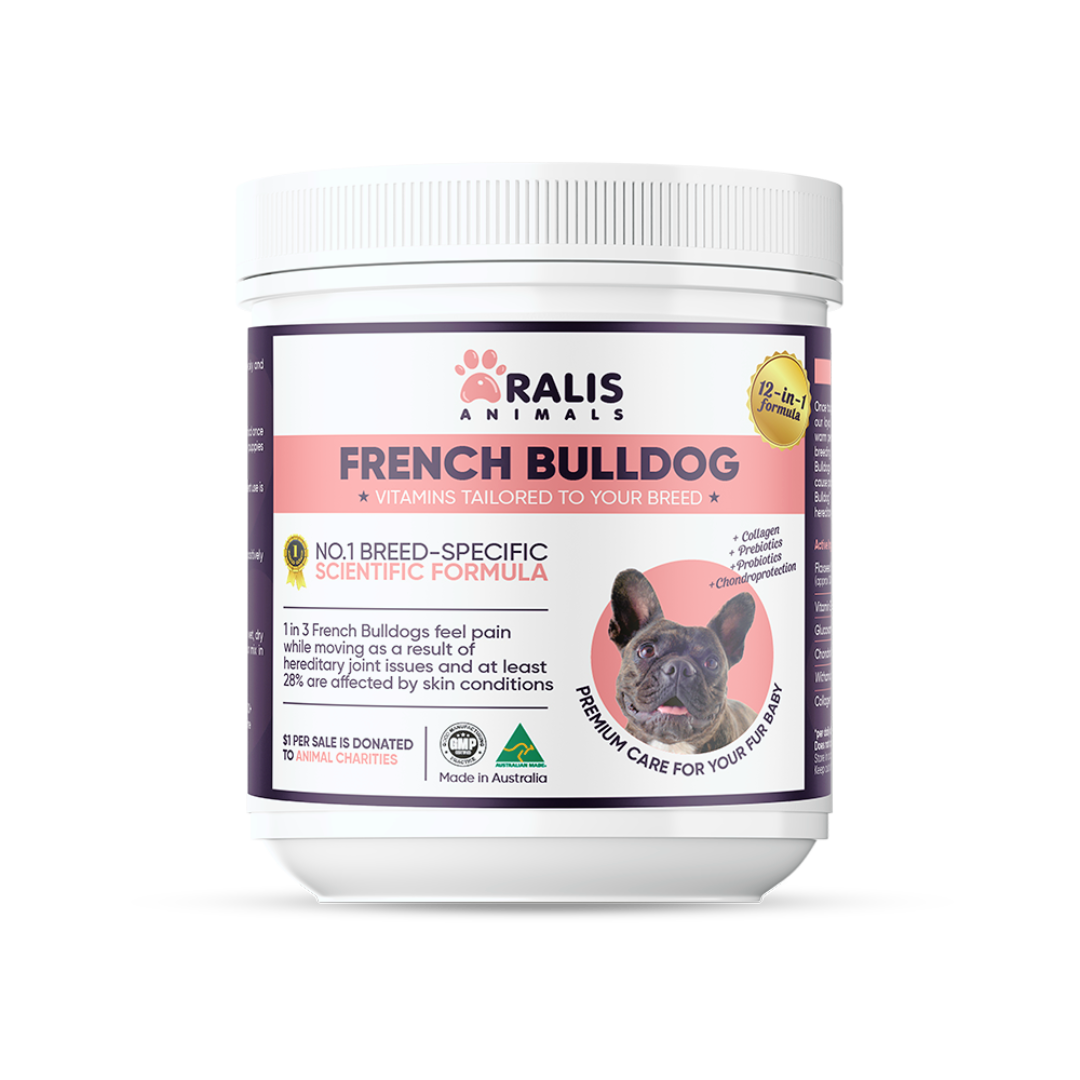
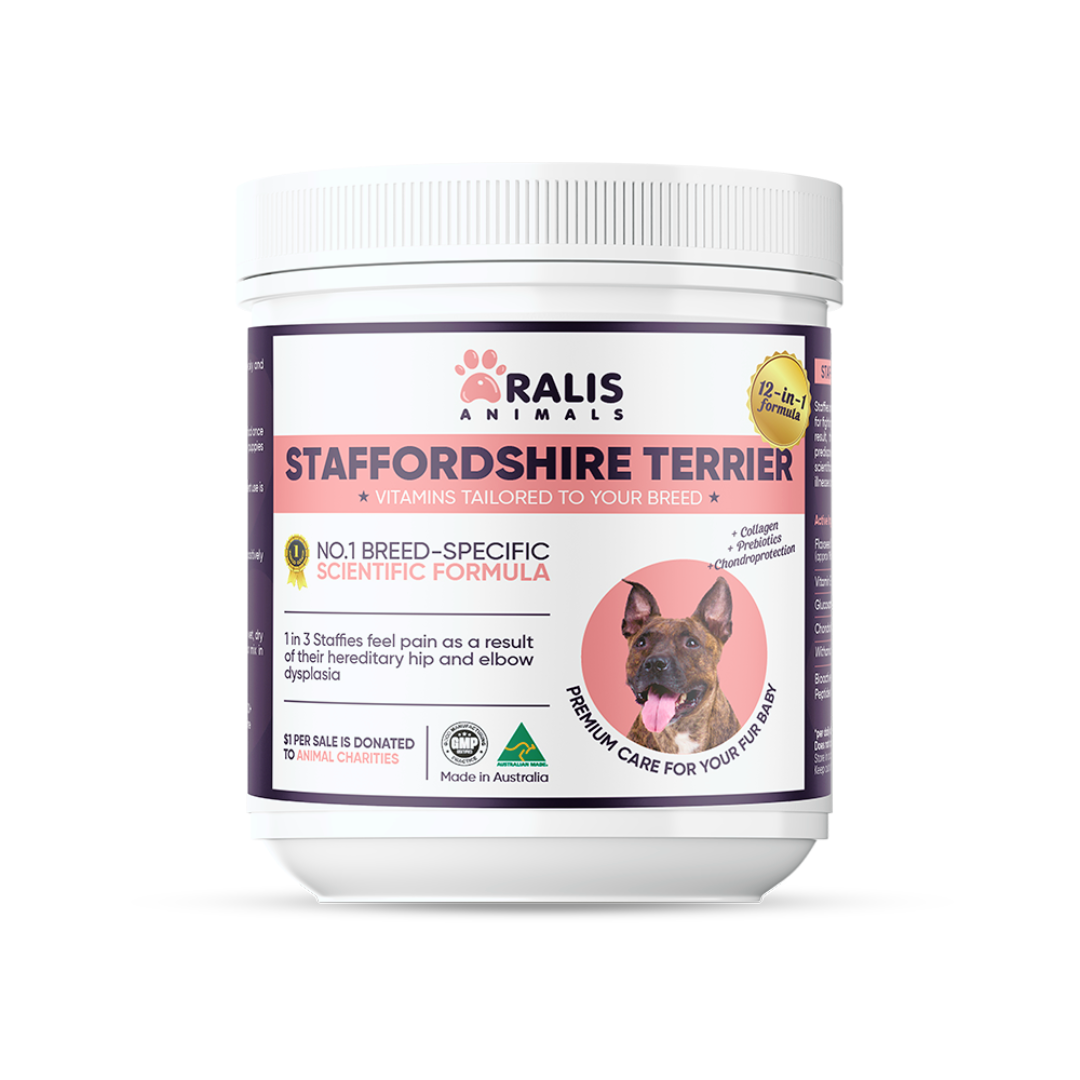
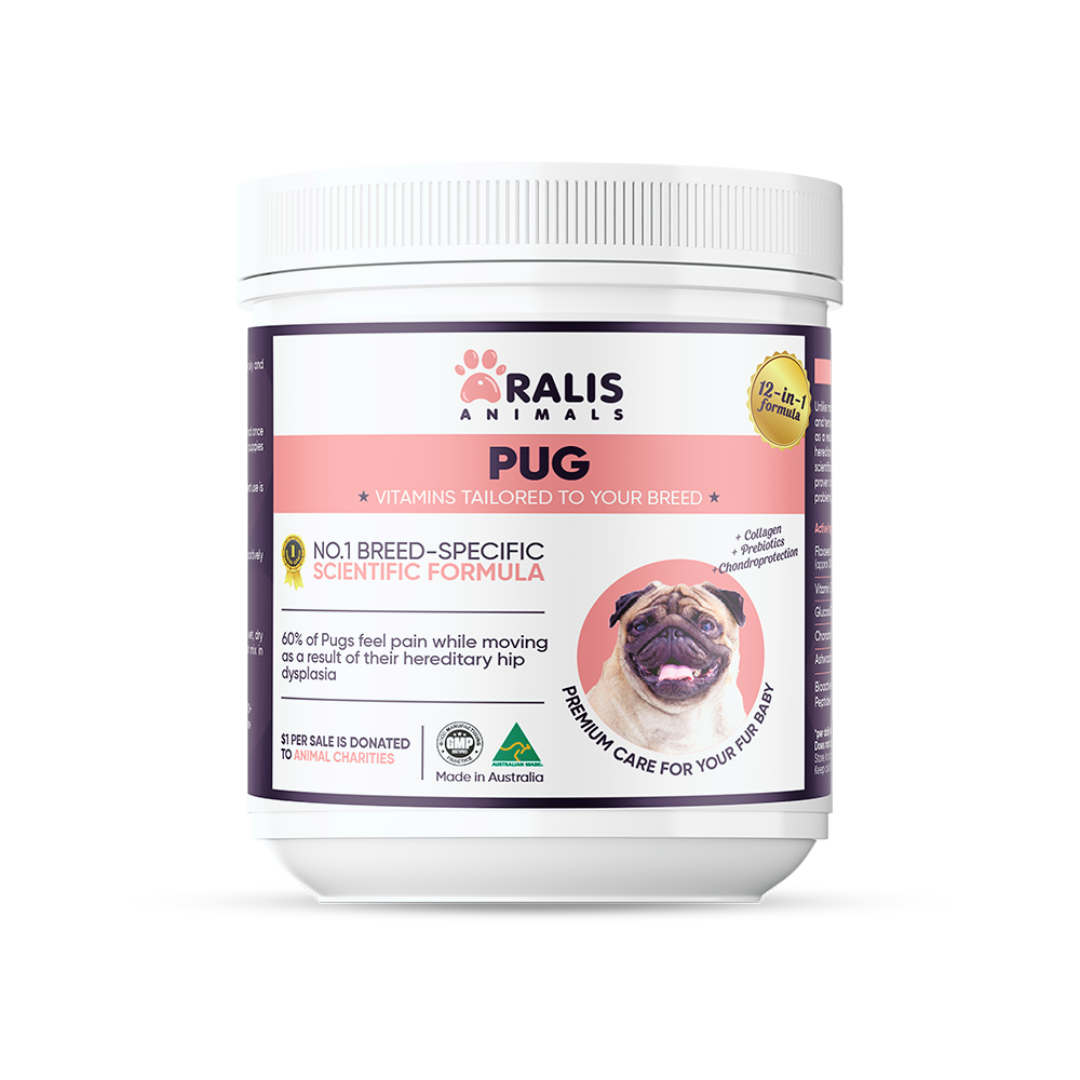
A healthy gut can make a big difference to your pooch’s digestion, skin health, and overall wellbeing. Our Aralis Animals multivitamins are formulated with prebiotics, probiotics, and gut-supporting nutrients to help support digestive balance, nutrient absorption, and everyday wellness from within—help your pooch feel more balanced here.
However, for therapeutic benefits, quality supplements are often necessary. Look for products that contain multiple strains of beneficial bacteria, as different strains offer different benefits. The supplement should also specify the number of colony-forming units (CFUs), with higher numbers generally being more effective.
When choosing products from Aralis Animals, you can trust that our breed-specific supplements are formulated with the highest quality ingredients and backed by scientific research. Our prebiotics and probiotics for dogs are tailored to meet the unique nutritional needs of different breeds, ensuring optimal results for your beloved companion.
How to Support Your Dog's Digestive Health
Incorporating prebiotics and probiotics into your dog's diet requires a thoughtful approach. Start by introducing supplements gradually to allow your dog's digestive system to adjust. Begin with a smaller dose than recommended and gradually increase to the full dosage over one to two weeks.
Dosage considerations vary depending on your dog's size, age, and specific health needs. Always follow the manufacturer's recommendations and consult with your veterinarian to determine the appropriate dosage for your pet. Some dogs may benefit from year-round supplementation, while others may only need it during periods of stress or illness.
Signs of improvement typically appear within one to four weeks of starting supplementation. You may notice improved stool consistency, increased energy levels, better coat quality, and reduced digestive complaints. Keep a journal of your observations to track your dog's progress and share this information with your veterinarian.
Conclusion
Understanding the difference between prebiotics and probiotics for dogs is essential for making informed decisions about your pet's health. While these two components serve different functions, they work together synergistically to support optimal gut health, digestive function, and overall wellness. Probiotics introduce beneficial bacteria and provide immediate digestive support, while prebiotics feed these bacteria and promote long-term gut health.
By incorporating both prebiotics and probiotics into your dog's diet, you're investing in their long-term health and quality of life. However, it's always important to consult with your veterinarian before starting any new supplementation regimen, especially if your dog has existing health conditions or is taking medications.
At Aralis Animals, we're committed to elevating your pet's health with breed-specific supplements that are scientifically formulated and carefully crafted. Our range of prebiotics and probiotics for dogs is designed to meet the unique nutritional needs of your beloved companion. Explore our collection today and discover how the right supplements can transform your dog's digestive health and overall well-being.