


Signs of Stress and Anxiety in Dogs: A Complete Guide for First-Time Pet Parents

As a first-time pet parent, navigating the complexities of dog ownership can be both exciting and overwhelming. One of the most common challenges you may face is understanding and managing your canine companion's stress and anxiety. Aralis Animals is here to provide you with a comprehensive guide to help you identify the signs of anxiety in dogs and equip you with the knowledge to support your furry friend's well-being.
Understanding Canine Anxiety
Anxiety in dogs is a common condition that can manifest in various ways. It is a state of heightened emotional and physiological arousal, often triggered by perceived threats or stressful situations. Dogs, like humans, can experience different types of anxiety, including separation anxiety, social anxiety, and noise-related anxiety. Understanding the root causes and specific triggers for your dog's anxiety is the first step in providing effective support.
Physical Signs of Dog Anxiety
One of the most obvious indicators of anxiety in dogs is changes in their physical behavior. These can include:
- Excessive panting or drooling
- Trembling or shaking
- Restlessness and pacing
- Dilated pupils
- Tucked tail or ears pinned back
- Yawning or lip-licking
Paying attention to your dog's body language can help you identify when they are experiencing stress or discomfort.
Emotional and Behavioral Symptoms
In addition to physical signs, anxiety in dogs can also manifest through emotional and behavioral changes. These may include:
- Excessive barking or whining
- Destructive behavior, such as chewing or scratching
- Withdrawal, hiding, or avoidance
- Loss of appetite or changes in eating habits
- Accidents in the house or inappropriate elimination
Recognizing these behavioral patterns can help you better understand your dog's emotional state and provide the necessary support.
Specific Anxiety Types
While anxiety can present in various ways, it is important to identify the specific type of anxiety your dog is experiencing. This will inform the most effective management and treatment strategies. Some common types of anxiety in dogs include:
Separation Anxiety
Separation anxiety is one of the most prevalent forms of anxiety in dogs. It is characterized by distress and panic when the dog is left alone or separated from their primary caregiver.
Social Anxiety
Social anxiety in dogs can manifest as fear or discomfort in the presence of unfamiliar people, animals, or environments. This can lead to avoidance, aggression, or excessive submissive behaviors.
Noise-Related Anxiety
Loud noises, such as thunderstorms, fireworks, or even household appliances, can trigger anxiety in some dogs. This type of anxiety can cause your dog to exhibit behaviors like hiding, trembling, or attempting to escape.
Identifying Anxiety Levels
Anxiety in dogs can range in severity from mild to severe. Recognizing the level of your dog's anxiety is crucial for determining the appropriate management and treatment approach. Mild anxiety may present as restlessness or increased vigilance, while moderate anxiety can lead to more disruptive behaviors like excessive barking or destructiveness. Severe anxiety, on the other hand, can result in panic attacks, self-harm, or even aggression.
Management and Treatment Options
If you suspect your dog is experiencing anxiety, it is essential to consult with a veterinary professional. They can help you identify the underlying causes and develop a comprehensive treatment plan. This may include:
- Behavioral training and desensitization techniques
- Medication prescribed by a veterinarian
- Natural supplements and calming aids
- Environmental modifications to create a safe, secure space
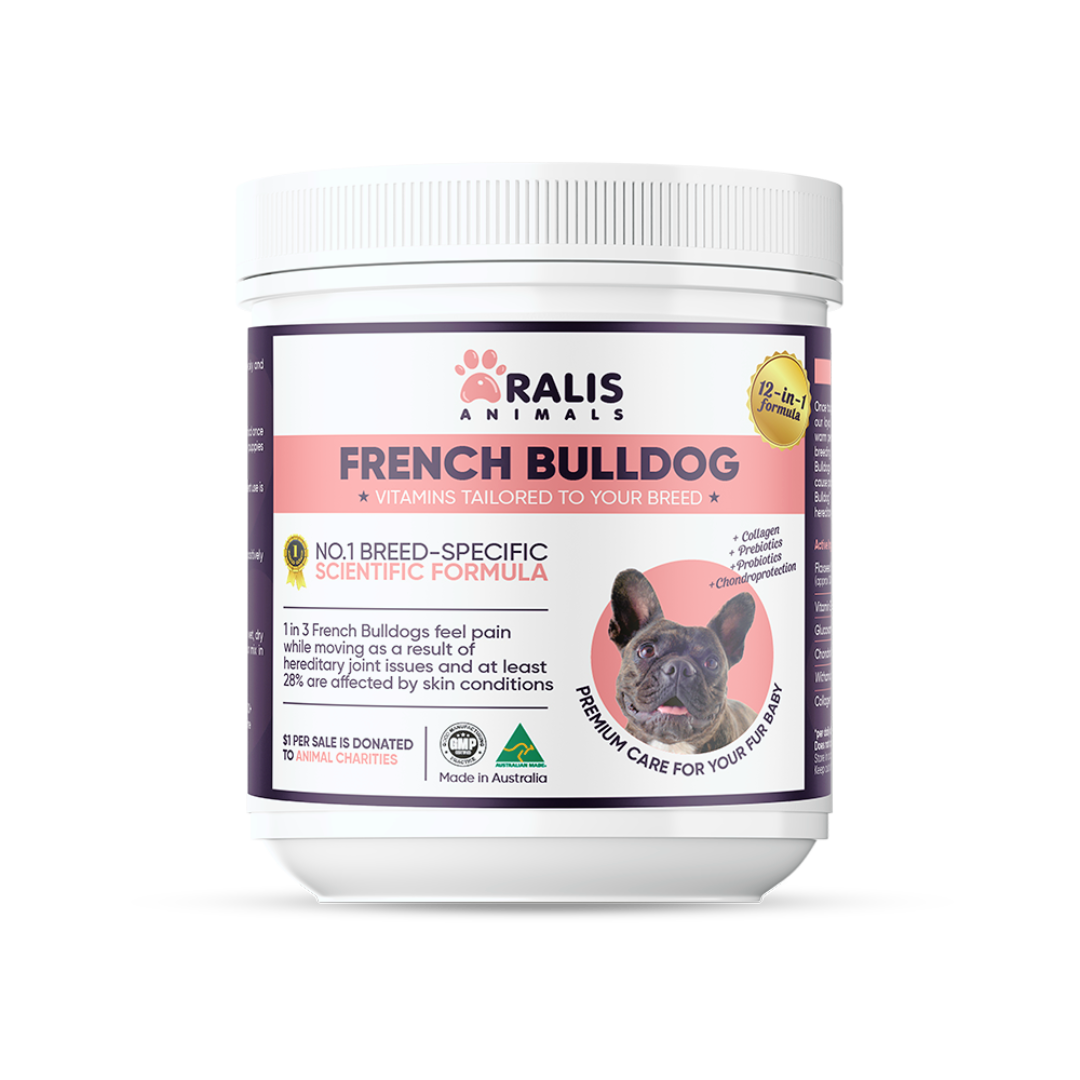
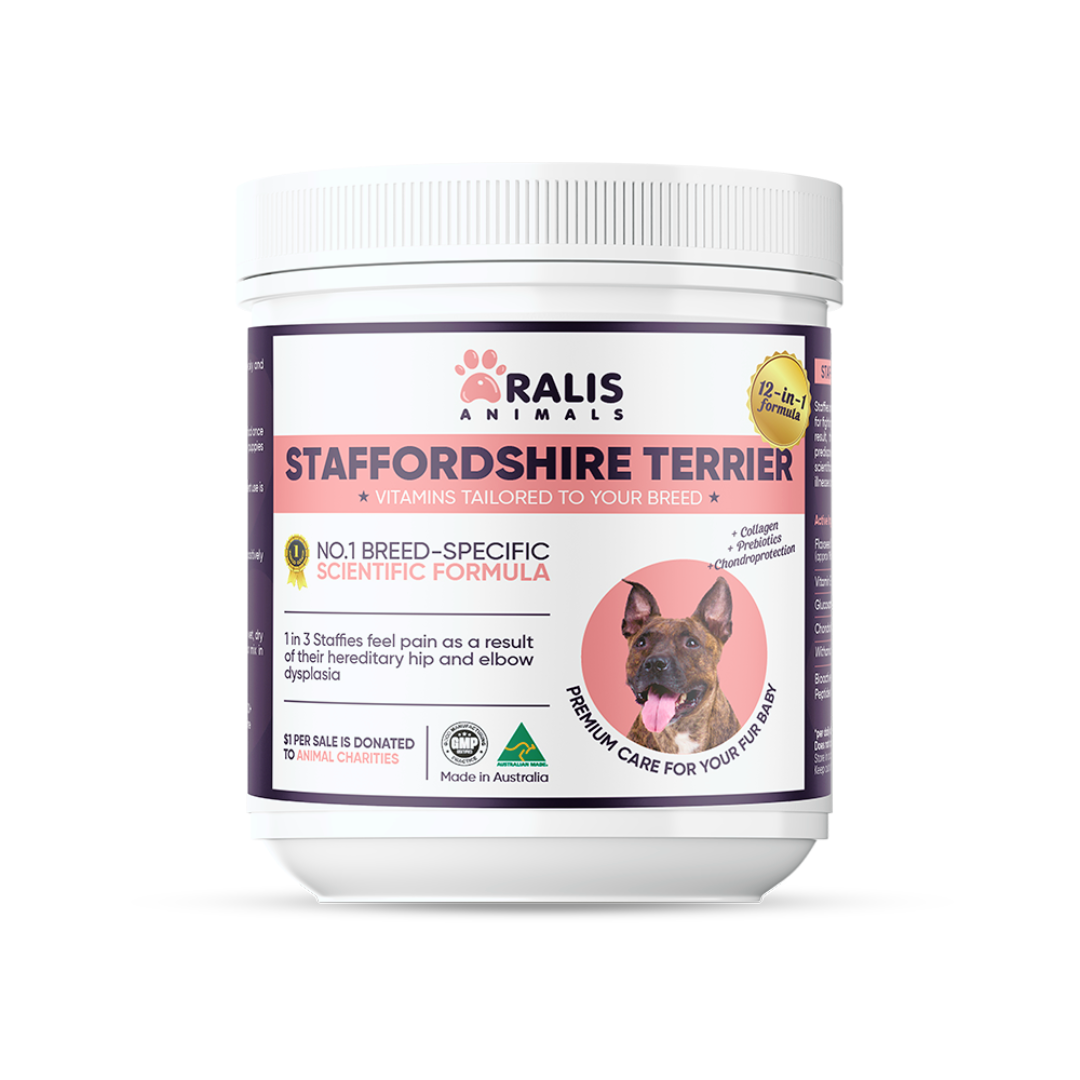
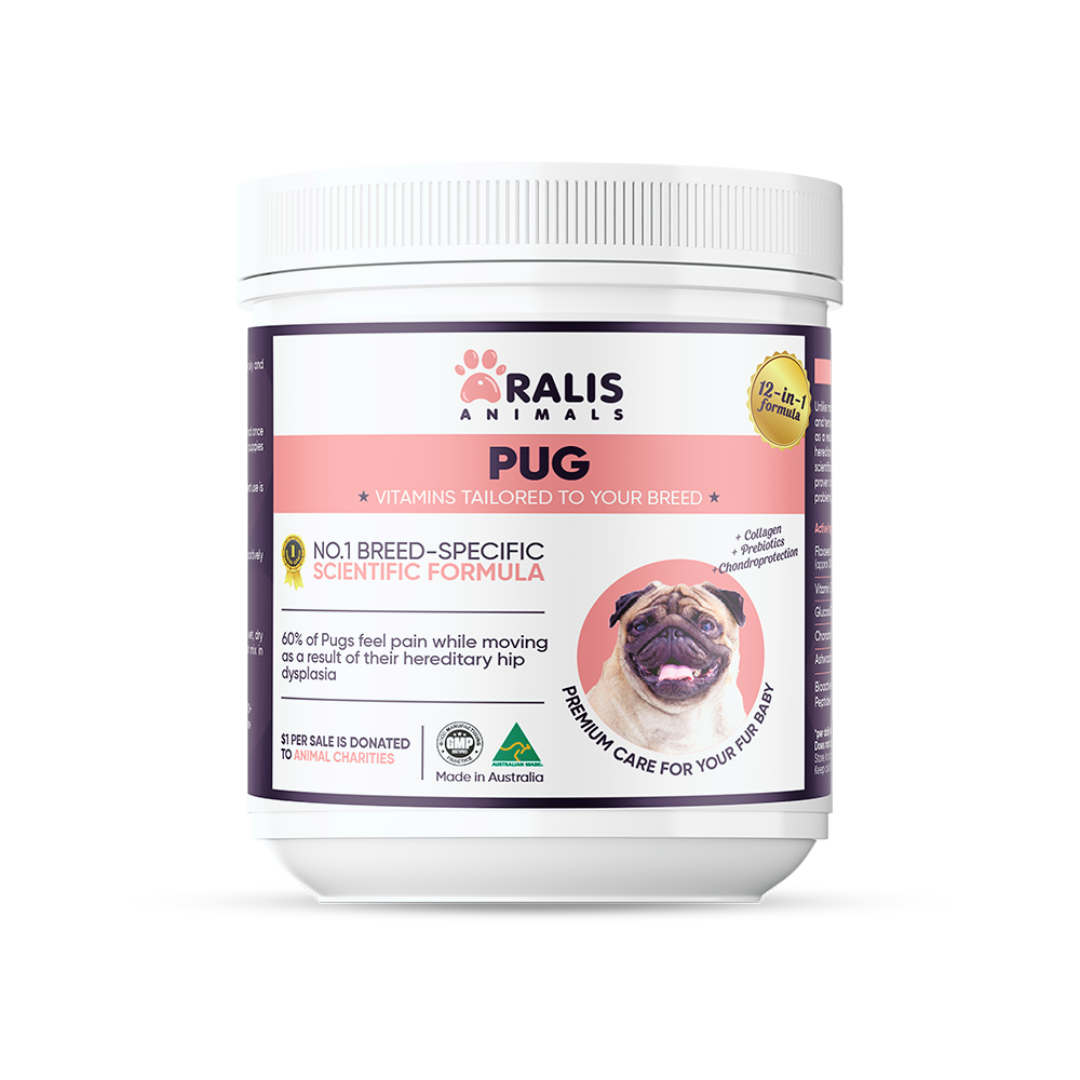
Addressing your dog's anxiety through a combination of these approaches can help alleviate their distress and improve their overall well-being. If you’re looking for gentle, daily support for your dog’s emotional wellbeing, you can explore our Aralis Animals Multivitamins here, thoughtfully formulated to support the nervous system, gut health, and long-term emotional balance.
Prevention Strategies
While anxiety can be managed, it is often better to take proactive steps to prevent it from developing in the first place. Some effective prevention strategies include:
- Early socialization to help your dog become comfortable in various environments
- Establishing a consistent routine to provide a sense of security and predictability
- Creating a safe, comfortable space for your dog to retreat to when they feel overwhelmed
By implementing these strategies, you can help your dog build resilience and better cope with stressful situations.
Conclusion
Navigating the challenges of canine anxiety can be a daunting task, but with the right knowledge and support, you can help your furry friend thrive. At Aralis Animals, we are committed to providing you with the resources and guidance you need to understand and manage your dog's anxiety. Remember, every dog is unique, and a personalized approach is key to ensuring your pet's well-being. Embark on this journey with us, and together, we'll help your canine companion live a happier, healthier life.