


Natural Itch Relief for Pugs: What Aussie Pet Parents Are Using Instead

If you're a pug owner in Australia, you've likely witnessed the endless scratching, the persistent paw licking, and the uncomfortable squirming that comes with your beloved companion's skin issues. Pugs are adorable, affectionate little dogs, but they're also notorious for their sensitive skin and susceptibility to allergies. The constant itching and irritation can be distressing for both you and your furry friend. While traditional veterinary treatments certainly have their place, many Australian pet parents are turning to natural alternatives that offer relief without the potential side effects of conventional medications. This comprehensive guide explores the natural itch relief solutions that are making a real difference for pugs across Australia.
Understanding Pug Skin Problems
Pugs are predisposed to skin issues for several reasons. Their unique facial structure, wrinkled skin folds, and short coat create an environment where bacteria and yeast can thrive. Additionally, pugs have a genetic tendency toward allergies, whether food-related or environmental. These factors combine to make pug skin problems one of the most common health concerns among pug owners.
Why Pugs Are Prone to Skin Allergies
The breed's compact size and distinctive features come with inherent vulnerabilities. Their skin folds trap moisture and debris, creating ideal conditions for infections and irritation. Furthermore, pugs often have sensitive digestive systems that can trigger allergic reactions manifesting as skin conditions. Environmental allergens like pollen, dust mites, and mold can also trigger intense itching episodes in these sensitive dogs.
Common Symptoms to Watch For
Recognizing the signs of skin problems in your pug is the first step toward finding relief. Common symptoms include excessive scratching and biting at the skin, persistent paw licking that can lead to staining and infection, red or inflamed patches of skin, flaking or dry skin, and a musty odor emanating from the skin or ears. If your pug displays any of these signs, it's time to explore solutions that can help restore comfort and health.
Traditional vs. Natural Approaches
Conventional treatments for dog skin allergies typically involve antihistamines, corticosteroids, or antibiotics when infections develop. While these medications can be effective, they often come with side effects such as increased thirst, appetite changes, or long-term health concerns with extended use. Many Australian pet parents are seeking alternatives that address the root cause of skin issues rather than just masking symptoms.
The Benefits of Natural Itch Relief Solutions
Natural remedies work with your dog's body rather than against it. They typically have fewer side effects, support overall health rather than just treating symptoms, and often address underlying causes like nutritional deficiencies or immune imbalances. Additionally, natural solutions are often more affordable and align with the holistic health philosophy many pet owners prefer.
Popular Natural Remedies Australian Pet Parents Are Using
Omega-3 Supplements for Skin Health
Omega-3 fatty acids are among the most recommended natural solutions for dog skin health. These essential nutrients reduce inflammation, support skin barrier function, and promote a healthy coat. Many Australian pet parents report significant improvements in their pug's itching within weeks of starting omega-3 supplementation. Fish oil and flaxseed are common sources, though quality varies significantly between products.
Probiotics for Immune Support
A healthy gut microbiome is fundamental to a strong immune system, which directly impacts skin health. Probiotics help balance the beneficial bacteria in your pug's digestive tract, reducing the likelihood of allergic reactions. This approach addresses dog skin allergies at the source by strengthening the immune system from within. Many pet parents notice reduced itching and fewer skin infections when their pugs receive regular probiotic supplementation.
Oatmeal-Based Treatments
Colloidal oatmeal has been used for centuries to soothe irritated skin. For pugs with dog irritated skin, oatmeal baths can provide immediate relief. The oatmeal forms a protective barrier while reducing inflammation and itching. Many Australian pet parents use oatmeal-based shampoos specifically formulated for dogs, which are gentler than human products and won't disrupt the skin's natural pH balance.
Coconut Oil Applications
Coconut oil possesses natural antimicrobial and anti-inflammatory properties. When applied topically to affected areas, it can reduce itching and prevent secondary infections. Some pet parents also add small amounts of coconut oil to their pug's food, though this should be done cautiously and in moderation. The key is using high-quality, organic coconut oil specifically intended for pet use.
Herbal Solutions
Various herbs have been traditionally used to support skin health in dogs. Chamomile, calendula, and licorice root all possess anti-inflammatory properties. These herbs can be incorporated into supplements or used to create soothing rinses. Many Australian pet parents appreciate herbal solutions because they're gentle, have minimal side effects, and often provide noticeable benefits within a few weeks.
How to Identify Allergic Itch in Dogs
Understanding whether your pug's itching stems from food allergies or environmental factors is crucial for selecting the right treatment approach.
Food Allergies vs. Environmental Allergies
Food allergies typically cause year-round itching and often affect the ears, face, and paws. Environmental allergies are usually seasonal and may worsen during specific times of year. Common food allergens for dogs include chicken, beef, wheat, and dairy. Environmental triggers include pollen, dust mites, mold, and grass. Keeping a detailed log of your pug's symptoms and environmental conditions can help identify patterns and potential triggers.
When to Consult a Vet
While natural remedies are effective for many pugs, some skin conditions require professional diagnosis and treatment. If your pug's itching is severe, accompanied by hair loss, or shows signs of infection, consult your veterinarian. A vet can perform allergy testing, rule out parasites or infections, and recommend appropriate treatments. Natural remedies work best as part of a comprehensive approach that may include professional guidance.
Breed-Specific Solutions for Pugs
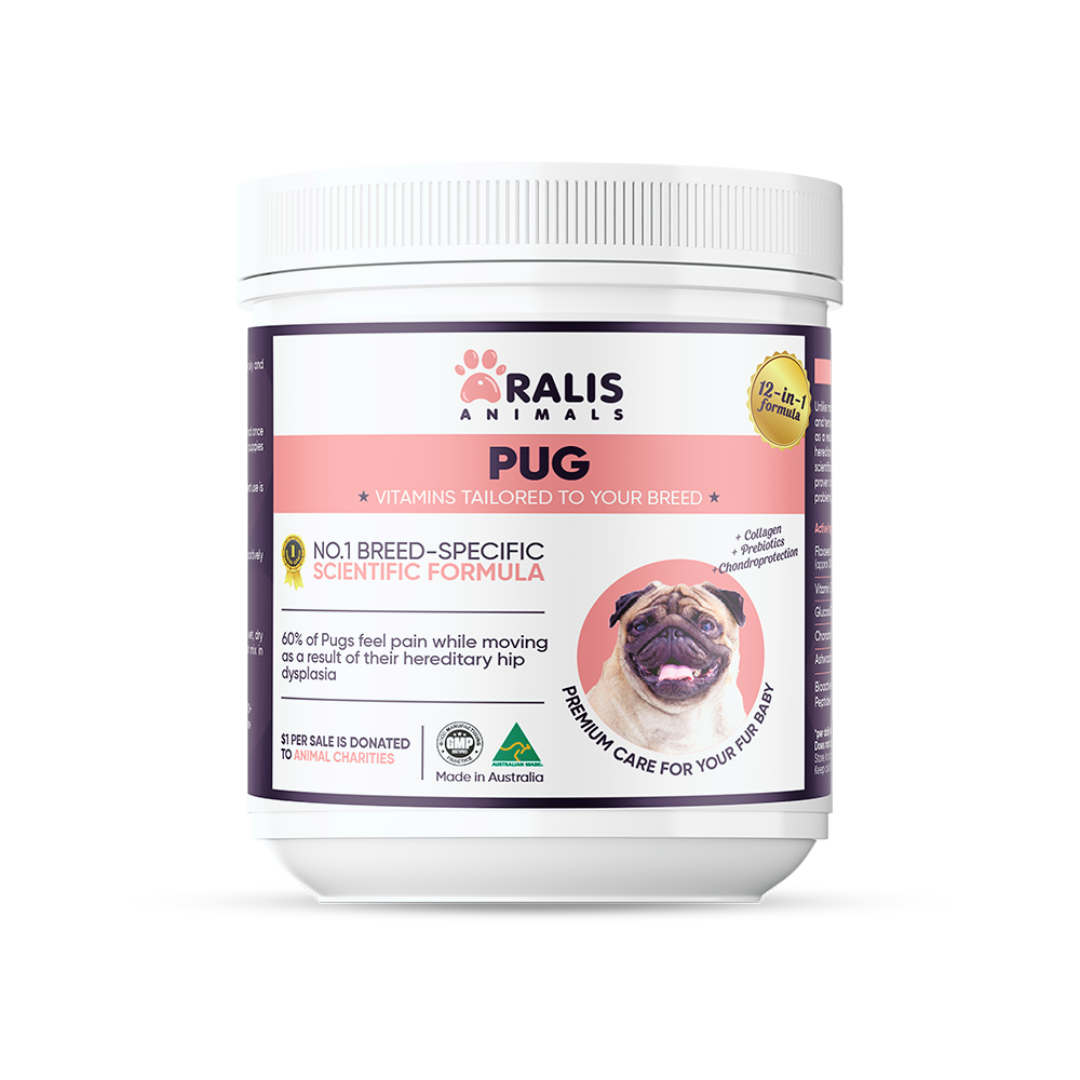
Pugs aren't just small dogs with smaller needs; they're a unique breed requiring tailored approaches to health and wellness. Generic dog supplements often don't address the specific vulnerabilities of pug physiology. Because pugs are so prone to sensitive skin and allergies, daily inside-out support can make a real difference. Our Aralis Animals Pug multivitamins are formulated with omega fatty acids, probiotics, and skin-supporting nutrients to help calm irritation, support gut health, and keep itchy skin and paws more comfortable—discover a gentler approach here.
Why Pugs Need Tailored Approaches
Breed-specific supplements account for pugs' particular predispositions, including their tendency toward skin issues, respiratory sensitivity, and digestive challenges. A supplement formulated specifically for pugs will include ingredients in appropriate concentrations for their size and metabolic needs. This targeted approach ensures your pug receives maximum benefit from each supplement.
Aralis Animals' Breed-Specific Supplement Recommendations
Aralis Animals specializes in breed-specific supplements designed to elevate your pet's health. Their pug-specific formulations combine natural ingredients like omega-3s, probiotics, and skin-supporting herbs in proportions optimized for the breed. These supplements address the root causes of skin issues while supporting overall wellness. Many Australian pug owners have experienced remarkable improvements in their dogs' skin health and comfort levels after switching to breed-specific solutions.
Implementation Tips
Introducing Natural Remedies Safely
When starting any new supplement or remedy, introduce it gradually. Begin with small amounts and increase to the recommended dose over one to two weeks. This gradual introduction allows your pug's system to adjust and helps you identify any potential sensitivities. Always choose high-quality products from reputable manufacturers, as ingredient quality directly impacts effectiveness.
Monitoring Progress and Results
Keep detailed records of your pug's symptoms, the remedies you're using, and any changes you observe. Most natural remedies require consistent use for four to eight weeks before significant improvements appear. Take photos of affected areas to track visible changes. Note behavioral changes like reduced scratching frequency or improved sleep quality. This documentation helps you identify which remedies work best for your individual pug.
Conclusion
Natural itch relief for pugs offers a gentle, effective alternative to traditional treatments while addressing the underlying causes of skin problems. From omega-3 supplements and probiotics to oatmeal treatments and herbal solutions, Australian pet parents have numerous options for helping their pugs find comfort and relief. The key is understanding your pug's specific needs and selecting breed-specific solutions that work with their unique physiology.
If your pug struggles with skin issues, consider exploring the natural remedies discussed in this guide. Start with breed-specific supplements from Aralis Animals, which combine proven natural ingredients in formulations designed specifically for pugs. Your beloved companion deserves to live comfortably without constant itching and irritation. With patience, consistency, and the right natural solutions, you can help your pug achieve the healthy, comfortable skin they deserve.