


My Dog Has Allergies? Should I Treat the Skin or the Gut First?

As a devoted pet owner, you've likely encountered the frustrating reality of your canine companion dealing with allergies. Whether it's incessant scratching, irritated skin, or other concerning symptoms, dog allergies can be a real challenge to manage. The good news is that with the right approach, you can help your furry friend find relief and long-term well-being.
Understanding Dog Allergies
Dog allergies can manifest in various ways, from skin irritation to digestive issues. These reactions are often triggered by environmental factors, such as pollen, dust mites, or certain foods. While the symptoms may be localized to the skin, the underlying cause can often be traced back to imbalances in the dog's gut health.
Identifying Dog Allergy Symptoms
When it comes to dog allergies, the most common signs include:
- Itchy, inflamed skin
- Excessive licking or chewing of the paws
- Recurring ear infections
- Hot spots or hot spots
- Digestive problems like diarrhea or vomiting
If your dog is exhibiting any of these symptoms, it's important to address the issue promptly to prevent further discomfort and potential complications.
The Skin Perspective
Traditionally, the approach to treating dog allergies has focused on managing the skin-related symptoms. This often involves the use of topical treatments, such as medicated shampoos, creams, or ointments, to provide immediate relief. While these methods can be effective in addressing the visible signs of allergies, they often fall short in addressing the underlying causes.
The Gut Health Connection
Emerging research has shed light on the critical role that gut health plays in the development and management of dog allergies. The gut microbiome, the diverse community of bacteria and other microorganisms that reside in the digestive tract, plays a crucial role in regulating the immune system and maintaining overall health.
When the gut microbiome is out of balance, it can lead to increased inflammation and a heightened immune response, which can manifest as skin irritation and other allergy symptoms. By addressing the gut health first, you can help your dog's body better manage the root cause of the allergies.
Integrated Treatment Strategy
For a comprehensive approach to managing dog allergies, it's essential to address both the skin and gut health aspects. This integrated strategy involves:
-
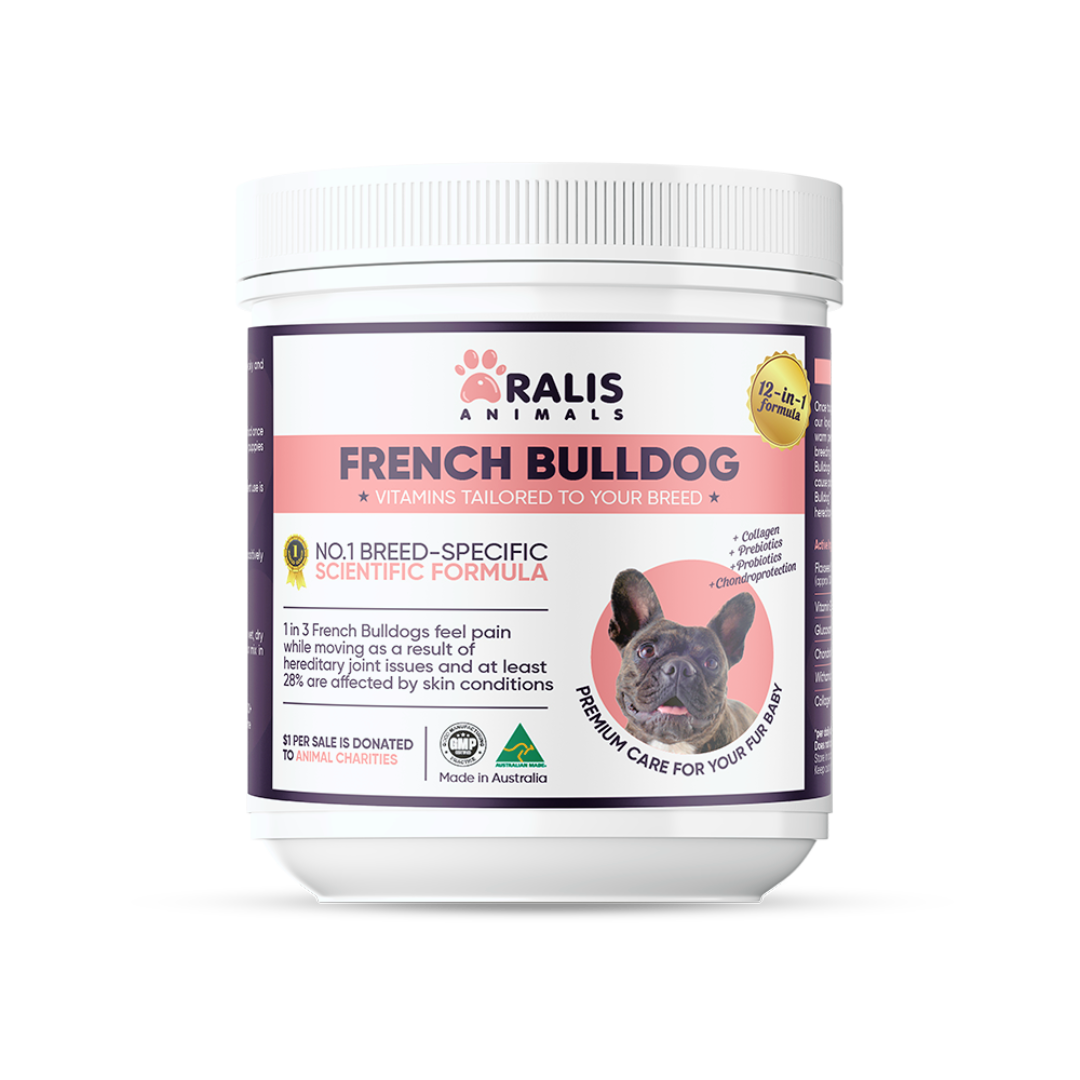
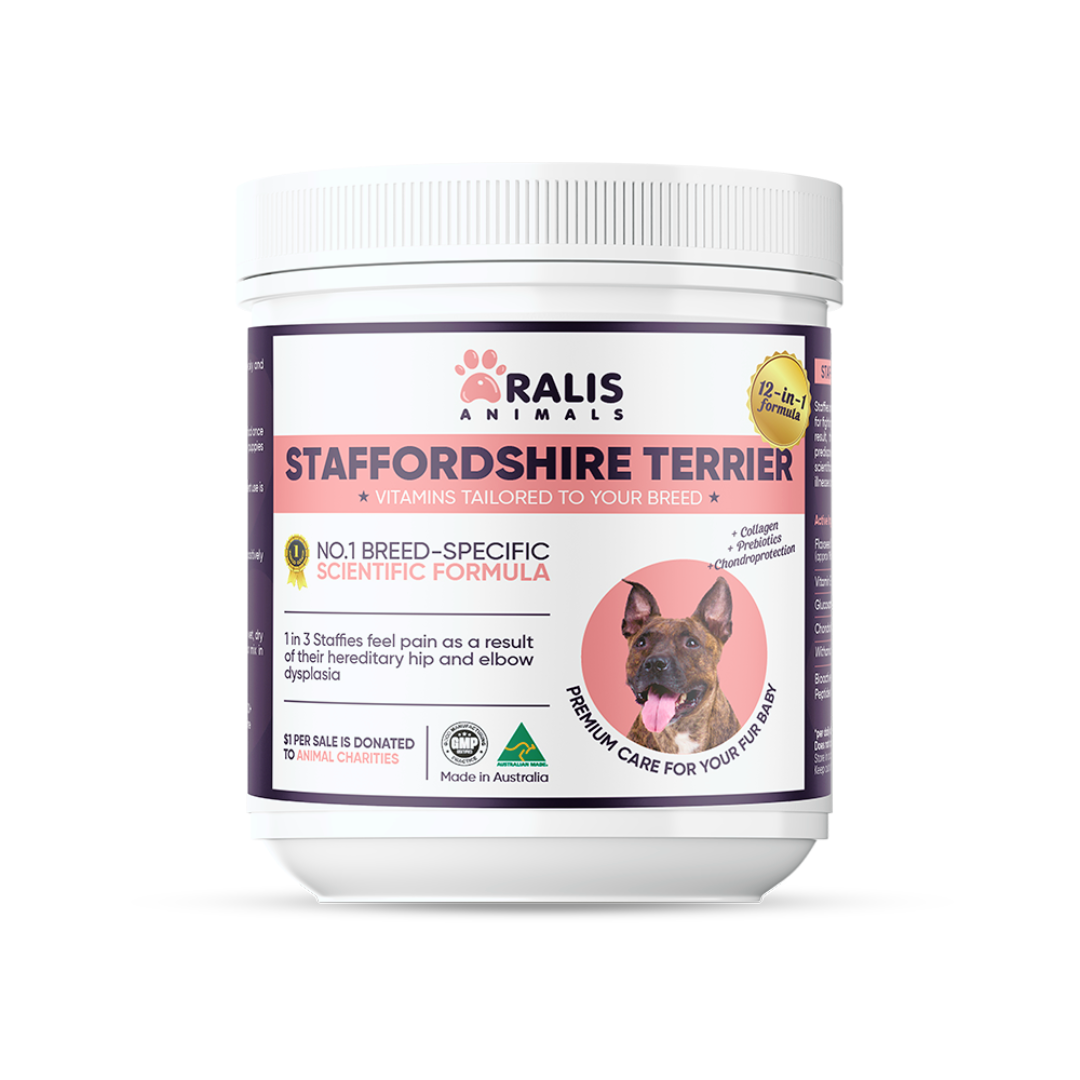
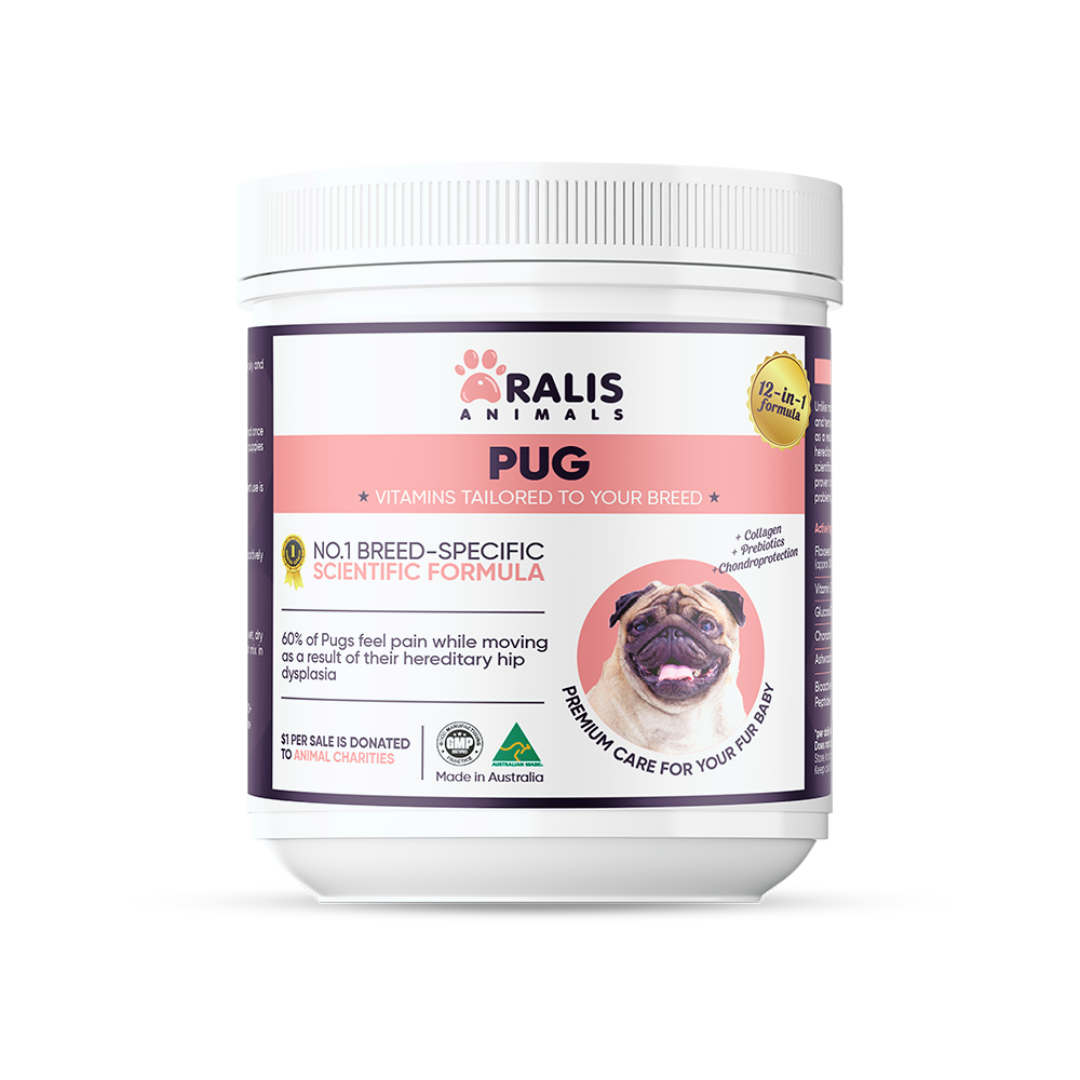
Focusing on gut health: Incorporating probiotic supplements and adjusting your dog's diet to support a healthy gut microbiome can help reduce inflammation and strengthen the immune system. If you prefer something simple and all-in-one, Aralis Animals multivitamin with probiotics and anti-inflammatory nutrients can take the guesswork out of supporting your pooch’s gut and skin together. You’re welcome to click here to learn more about our calming daily blend.
-
Complementary skin treatments: While addressing the gut, you can also use gentle, soothing topical treatments to provide relief for your dog's skin and reduce the severity of the symptoms.
-
Holistic approach: By considering the whole-body well-being of your dog, you can create a tailored plan that addresses the underlying causes of the allergies, rather than just the symptoms.
Prevention and Long-Term Management
To maintain your dog's health and prevent future allergy flare-ups, it's important to consider the following:
-
Dietary considerations: Choosing a high-quality, hypoallergenic dog food can help minimize exposure to potential allergens.
-
Environmental factors: Keeping your home clean, using air filters, and minimizing exposure to triggers like pollen can also help manage your dog's allergies.
-
Regular veterinary check-ups: Partnering with your veterinarian to monitor your dog's health and make adjustments to the treatment plan as needed is crucial for long-term success.
Conclusion
Addressing dog allergies requires a comprehensive approach that considers both the skin and gut health of your furry friend. By prioritizing gut health and complementing it with targeted skin treatments, you can help your dog find relief and enjoy a better quality of life. Remember, with the right knowledge and a proactive approach, you can empower your pet to thrive, even in the face of allergies.