


Lactobacillus for Dogs: What It Is and Why Your Pup's Gut May Be Missing It

Maintaining a healthy gut is crucial for our canine companions, just as it is for us. One key player in supporting optimal digestive and overall wellness in dogs is Lactobacillus, a type of probiotic bacteria. In this comprehensive guide, we'll explore what Lactobacillus is, why it's important for your dog's health, and how you can ensure your pup is getting the right balance of this beneficial microorganism.
What is Lactobacillus?
Lactobacillus is a genus of Gram-positive, rod-shaped bacteria that are naturally found in the gastrointestinal tracts of humans and animals, including dogs. These bacteria are considered probiotics, which are live microorganisms that can provide a range of health benefits when consumed in adequate amounts.
There are numerous species and strains of Lactobacillus, each with its own unique properties and effects. Some of the most well-known and studied Lactobacillus strains that are beneficial for dogs include Lactobacillus acidophilus, Lactobacillus rhamnosus, and Lactobacillus plantarum.
The Importance of Gut Health in Dogs
The gut, also known as the gastrointestinal (GI) tract, is home to a complex and delicate ecosystem of microorganisms, including bacteria, fungi, and viruses. This collective community is often referred to as the gut microbiome. When the gut microbiome is in balance, it can support a wide range of vital functions, from digestion and nutrient absorption to immune system regulation and even behavior.
However, various factors can disrupt the gut microbiome, leading to an imbalance known as dysbiosis. This can result in a range of health issues for dogs, such as digestive problems, skin conditions, allergies, and even behavioral changes.
Maintaining a healthy gut microbiome, with the right balance of beneficial bacteria like Lactobacillus, is essential for your dog's overall well-being.
The Benefits of Lactobacillus for Dogs
Lactobacillus bacteria play a crucial role in supporting your dog's gut health and overall wellness. Here are some of the key benefits of Lactobacillus for canine companions:
Digestive Health
Lactobacillus helps to maintain a healthy balance of gut bacteria, promoting proper digestion and nutrient absorption. These probiotics can also help to alleviate common digestive issues, such as diarrhea, constipation, and inflammatory bowel disease.
Immune System Support
The gut is home to a significant portion of the body's immune system. Lactobacillus can help to strengthen the immune system by modulating the body's inflammatory response and supporting the production of antibodies.
Preventing Gastrointestinal Issues
Lactobacillus can help to prevent the overgrowth of harmful bacteria, such as Clostridium difficile, which can lead to serious gastrointestinal problems. These probiotics also produce lactic acid, which creates an unfavorable environment for pathogenic microbes.
Antibiotic-Associated Diarrhea
Antibiotics can disrupt the delicate balance of the gut microbiome, leading to diarrhea. Lactobacillus can help to restore the gut flora and alleviate this common side effect of antibiotic treatment.
Stress-Related Gut Issues
Dogs can experience stress-induced digestive problems, such as vomiting, diarrhea, and loss of appetite. Lactobacillus can help to mitigate the impact of stress on the gut, supporting overall digestive and emotional well-being.
Signs Your Dog May Need Lactobacillus
There are several signs that your dog may benefit from supplemental Lactobacillus or other probiotics:
Digestive Symptoms
If your dog is experiencing persistent digestive issues, such as diarrhea, constipation, vomiting, or loss of appetite, it may be a sign of an imbalance in the gut microbiome that could be improved with Lactobacillus.
Antibiotic Treatment
If your dog has recently been prescribed antibiotics, it's important to consider adding a probiotic supplement containing Lactobacillus to help restore the gut flora and prevent antibiotic-associated diarrhea.
Stress-Related Gut Issues
Dogs can experience stress-induced digestive problems, such as vomiting, diarrhea, and loss of appetite. Lactobacillus can help to mitigate the impact of stress on the gut, supporting overall digestive and emotional well-being.
Sources of Lactobacillus for Dogs
There are several ways you can ensure your dog is getting the Lactobacillus they need:
Natural Food Sources
Some natural food sources that contain Lactobacillus include plain, unsweetened yogurt, kefir, and fermented vegetables like sauerkraut. However, it's important to introduce these foods slowly and in moderation, as some dogs may have difficulty digesting them.
Probiotic Supplements
Probiotic supplements specifically formulated for dogs are an easy and effective way to ensure your pup is getting the right balance of Lactobacillus and other beneficial bacteria. When choosing a probiotic supplement, look for one that contains multiple strains of Lactobacillus, as well as other probiotic species.
What to Look for in a Quality Probiotic
When selecting a probiotic supplement for your dog, look for one that contains a high number of colony-forming units (CFUs) of Lactobacillus and other probiotics. The supplement should also be free of fillers, preservatives, and artificial ingredients, and it's best to choose a product that is specifically formulated for canine use.
Introducing Lactobacillus to Your Dog's Diet
When adding a Lactobacillus or probiotic supplement to your dog's diet, it's important to do so gradually to allow their gut microbiome to adjust. Start with a small dosage and slowly increase it over the course of a week or two, following the instructions on the supplement label.
It's also important to note that some dogs may experience mild side effects, such as increased gas or loose stools, when first starting a probiotic supplement. These symptoms are usually temporary and should subside as the gut microbiome adjusts.
If you have any concerns or questions about introducing Lactobacillus or other probiotics to your dog's diet, it's always best to consult with your veterinarian.
Conclusion
Lactobacillus is a crucial component of a healthy gut microbiome in dogs, supporting digestive function, immune system health, and overall well-being. By understanding the importance of Lactobacillus and ensuring your pup is getting the right balance of this beneficial bacteria, you can help to elevate their gut health and set them up for a lifetime of optimal wellness.
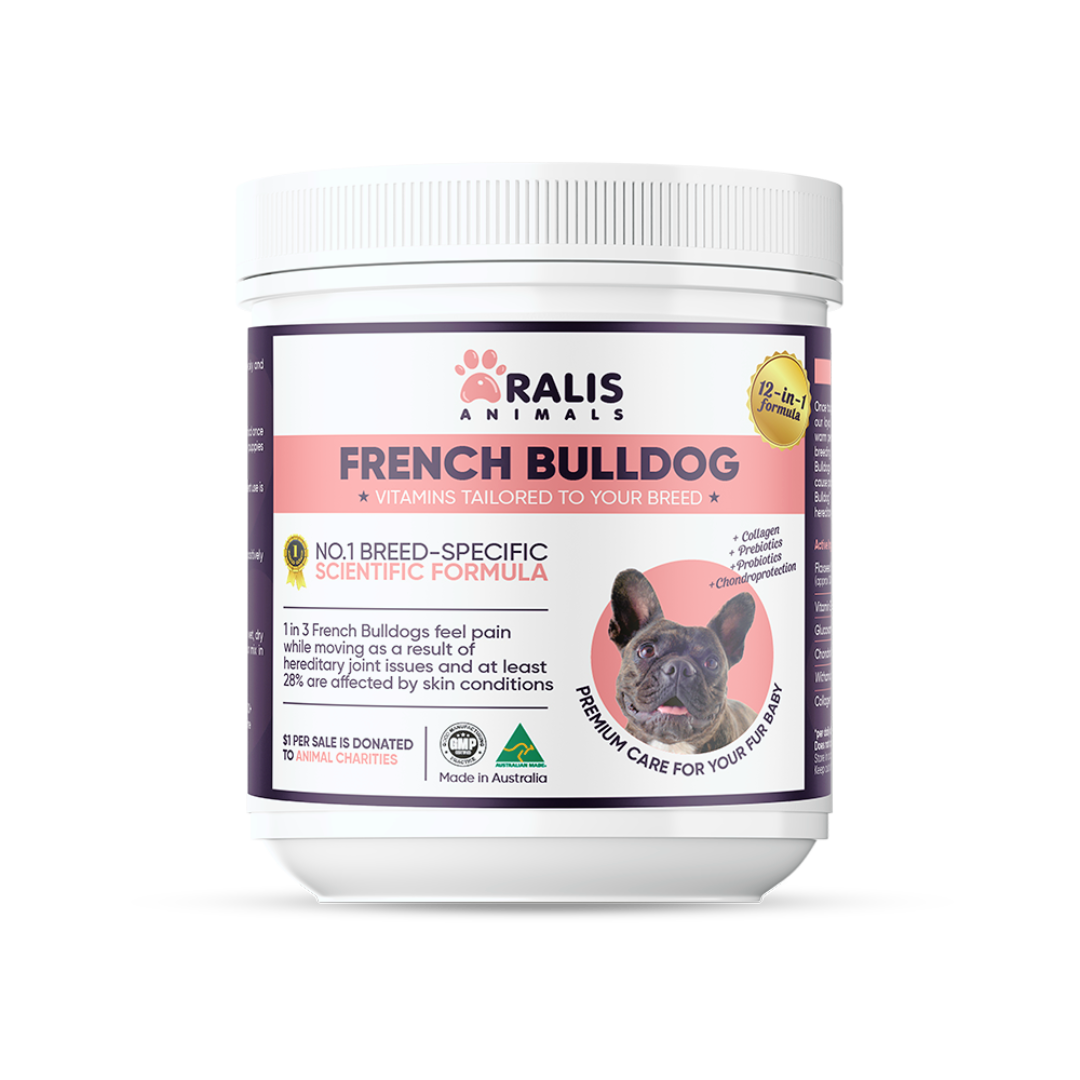
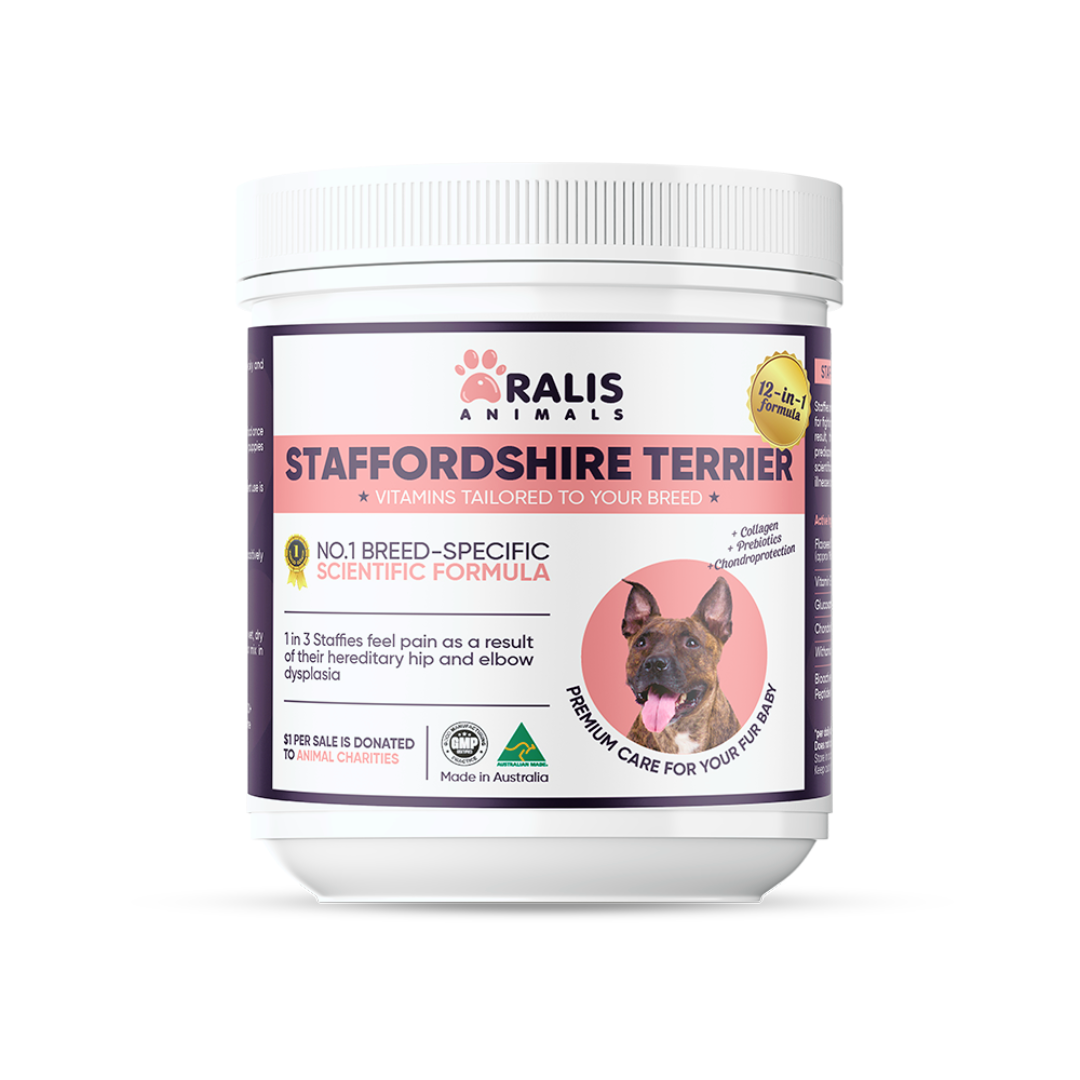
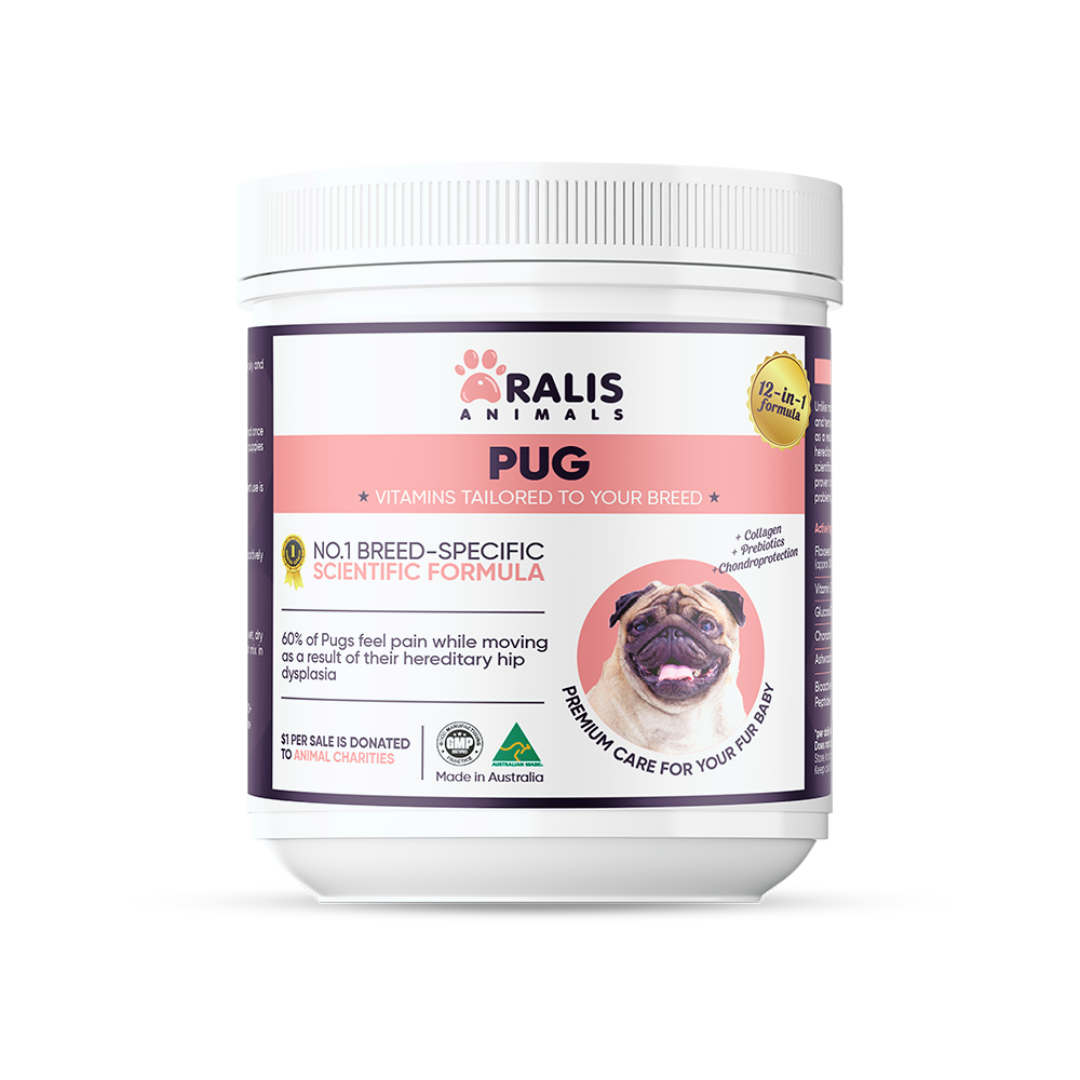
Help your dog thrive from the inside out and explore our Aralis Animals Multivitamins by clicking here to discover the difference a balanced microbiome can make.