


Is Your Dog Constantly Licking Their Paws? Here's What Their Body Is Trying to Tell You

If you've noticed your furry friend constantly licking their paws, you're not alone. This is one of the most common behaviors dog owners observe, and while occasional paw licking is completely normal, excessive paw licking can be a sign that something needs attention. Your dog's body is trying to communicate with you, and understanding what that message means is crucial for their health and happiness. In this comprehensive guide, we'll explore the various reasons why dogs engage in constant paw licking and what you can do about it.
Understanding Why Dogs Lick Their Paws
Before diving into the problematic aspects of paw licking, it's important to understand that dogs naturally lick their paws as part of their grooming routine. However, when this behavior becomes obsessive or excessive, it's a red flag that warrants investigation. Dogs lick their paws for many reasons, ranging from simple grooming to serious health concerns. The key is learning to distinguish between normal behavior and a sign of an underlying issue.
Allergies: The Most Common Culprit
One of the most frequent reasons for dog constantly licking paws is allergies. Allergies are incredibly common in dogs and can manifest in various ways, with paw licking being one of the most noticeable symptoms.
Food Allergies
Food allergies occur when your dog's immune system reacts negatively to certain ingredients in their diet. Common allergens include beef, chicken, wheat, corn, and soy. When dogs have food allergies, they often experience itching throughout their body, but the paws are a particularly common area where they focus their licking. If you suspect food allergies, consider working with your veterinarian to identify the problematic ingredient through an elimination diet.
Environmental Allergies
Environmental allergies are triggered by substances in your dog's surroundings, such as pollen, dust mites, mold, or grass. These allergies are often seasonal, meaning your dog's paw licking might intensify during certain times of the year. Dogs with environmental allergies may also experience itchy ears, face, and skin.
Seasonal Triggers
Spring and fall are particularly challenging seasons for dogs with allergies. During these times, pollen counts are high, and your dog may experience increased itching and paw licking. If you notice your dog's paw licking worsens during specific seasons, environmental allergies are likely the culprit.
Skin Conditions and Infections
Beyond allergies, various skin conditions and infections can cause your dog to engage in obsessive paw licking.
Yeast and Bacterial Infections
Yeast and bacterial infections are common secondary issues that develop when a dog's skin barrier is compromised. These infections thrive in warm, moist environments, making the paws an ideal location. If your dog's paws are red from licking, smell unusual, or have a greasy appearance, an infection might be present. These conditions require veterinary treatment with antifungal or antibiotic medications.
Dermatitis
Dermatitis is inflammation of the skin that can result from various causes, including contact with irritants, parasites, or underlying allergies. Contact dermatitis occurs when your dog's paws come into contact with irritating substances like certain plants, chemicals, or materials. This can cause immediate itching and excessive paw licking.
Signs of Red, Inflamed Paws
When you notice your dog's paws are red from licking, this is a clear indication that inflammation is present. Red, swollen paws may also feel warm to the touch and could have a foul odor if an infection has developed. These signs warrant a veterinary visit to determine the underlying cause and appropriate treatment.
Behavioral and Psychological Causes
Not all excessive paw licking is physical in nature. Sometimes, psychological factors play a significant role.
Anxiety and Stress
Dogs experiencing anxiety or stress may develop obsessive paw licking as a coping mechanism. This behavior can be triggered by changes in their environment, separation from their owners, loud noises, or other stressful situations. The repetitive nature of licking can be soothing for anxious dogs, similar to how humans might bite their nails when nervous.
Boredom
A bored dog may resort to excessive paw licking simply because they lack mental stimulation and physical activity. Dogs need regular exercise and enrichment to stay mentally engaged. If your dog isn't getting enough playtime or interaction, they might develop this habit as a way to occupy themselves.
Obsessive-Compulsive Behavior
In some cases, excessive paw licking can develop into obsessive-compulsive behavior, where the dog continues the behavior even after the initial trigger has been resolved. This is more common in certain breeds and can be challenging to address without professional help.
Pain and Injury
Sometimes, dogs lick their paws excessively because they're experiencing pain or have sustained an injury.
Wounds or Foreign Objects
Check your dog's paws carefully for cuts, splinters, thorns, or other foreign objects. Even small injuries can cause significant discomfort and lead to excessive licking. If you find a foreign object, remove it carefully and monitor the area for infection.
Joint Pain and Arthritis
Older dogs or those with joint problems may lick their paws due to pain from arthritis or other joint conditions. This is particularly common in the hind paws. If your senior dog has recently started excessive paw licking, joint pain could be the reason.
When to Seek Immediate Veterinary Care
If your dog has a visible wound, is limping, or shows signs of severe pain, seek veterinary care immediately. Additionally, if the paw licking is accompanied by swelling, discharge, or signs of infection, professional treatment is necessary.
Parasites and Other Health Issues
Parasites are another common cause of excessive paw licking in dogs.
Fleas and Mites
Even if you don't see fleas, they could be causing your dog's itching. Fleas are tiny and can be difficult to spot, but their bites cause intense itching. Mites, particularly those causing mange, also cause severe itching and paw licking. Regular flea and tick prevention is essential for all dogs.
Other Underlying Conditions
Various other health conditions can manifest as excessive paw licking, including hormonal imbalances, autoimmune diseases, and certain medications that cause dry skin. A thorough veterinary examination can help rule out these possibilities.
When to See a Vet
Understanding when professional help is needed is crucial for your dog's wellbeing.
Warning Signs
Schedule a veterinary appointment if your dog's paw licking is constant, if the paws appear red or infected, if there's hair loss around the paws, or if the behavior is accompanied by other symptoms like ear infections or skin issues. Additionally, if the licking seems to cause pain or distress, veterinary evaluation is warranted.
Diagnostic Process
Your veterinarian will perform a physical examination, ask about your dog's history, and may recommend tests such as skin scrapings, fungal cultures, or allergy testing. This systematic approach helps identify the underlying cause so appropriate treatment can begin.
Treatment Solutions
Once you understand why your dog is excessively licking their paws, you can explore appropriate treatment options.
Veterinary Treatments
Depending on the diagnosis, your veterinarian might prescribe antibiotics for infections, antifungal medications, antihistamines for allergies, or anti-anxiety medications for behavioral issues. Following your vet's recommendations is essential for effective treatment.
Home Remedies and Prevention
While waiting for a veterinary appointment or as a complement to professional treatment, you can try several home remedies. Regular paw soaks in warm water, keeping paws clean and dry, and using protective booties can help. Additionally, ensuring your dog gets adequate exercise and mental stimulation can reduce stress-related licking.
Aralis Animals Breed-Specific Supplements
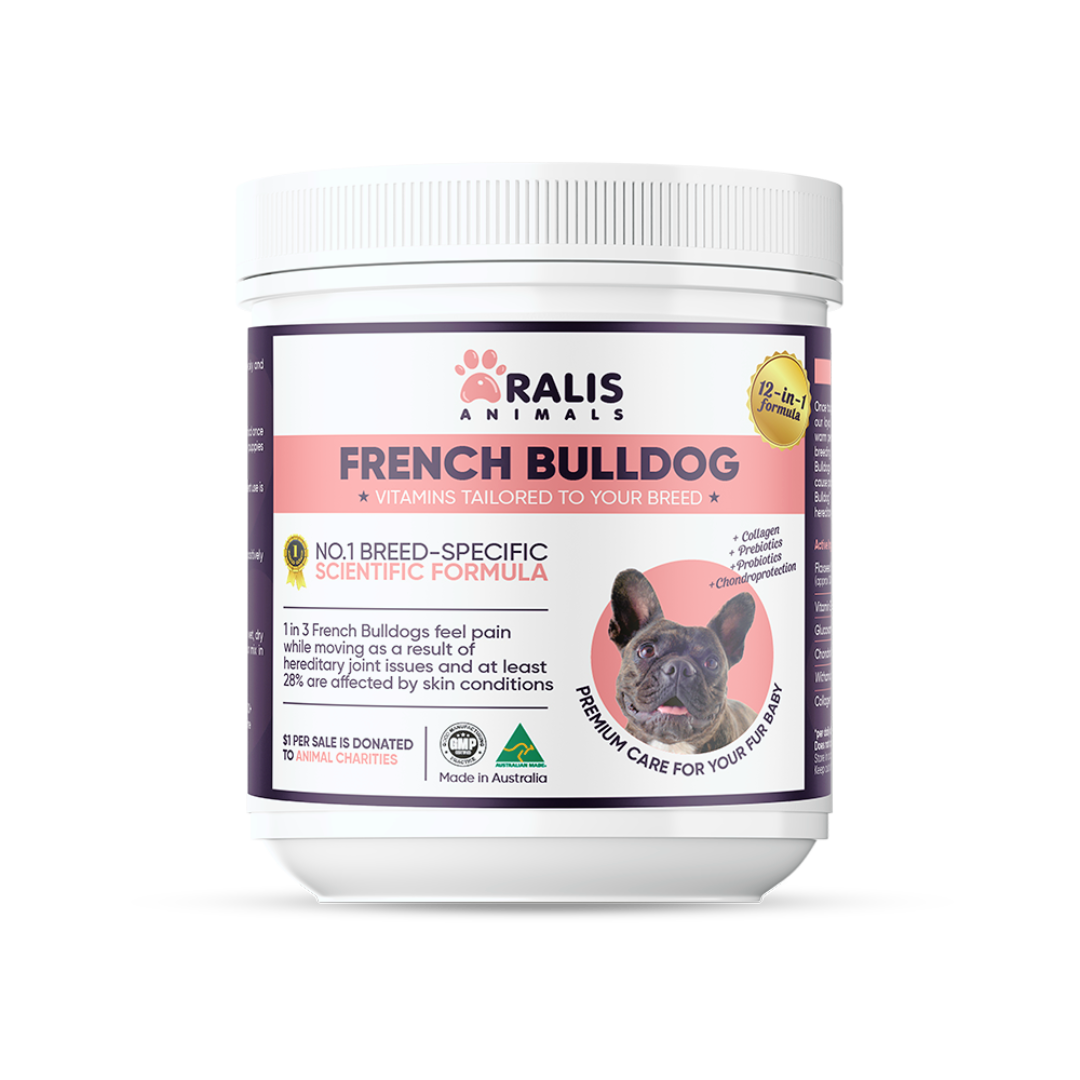
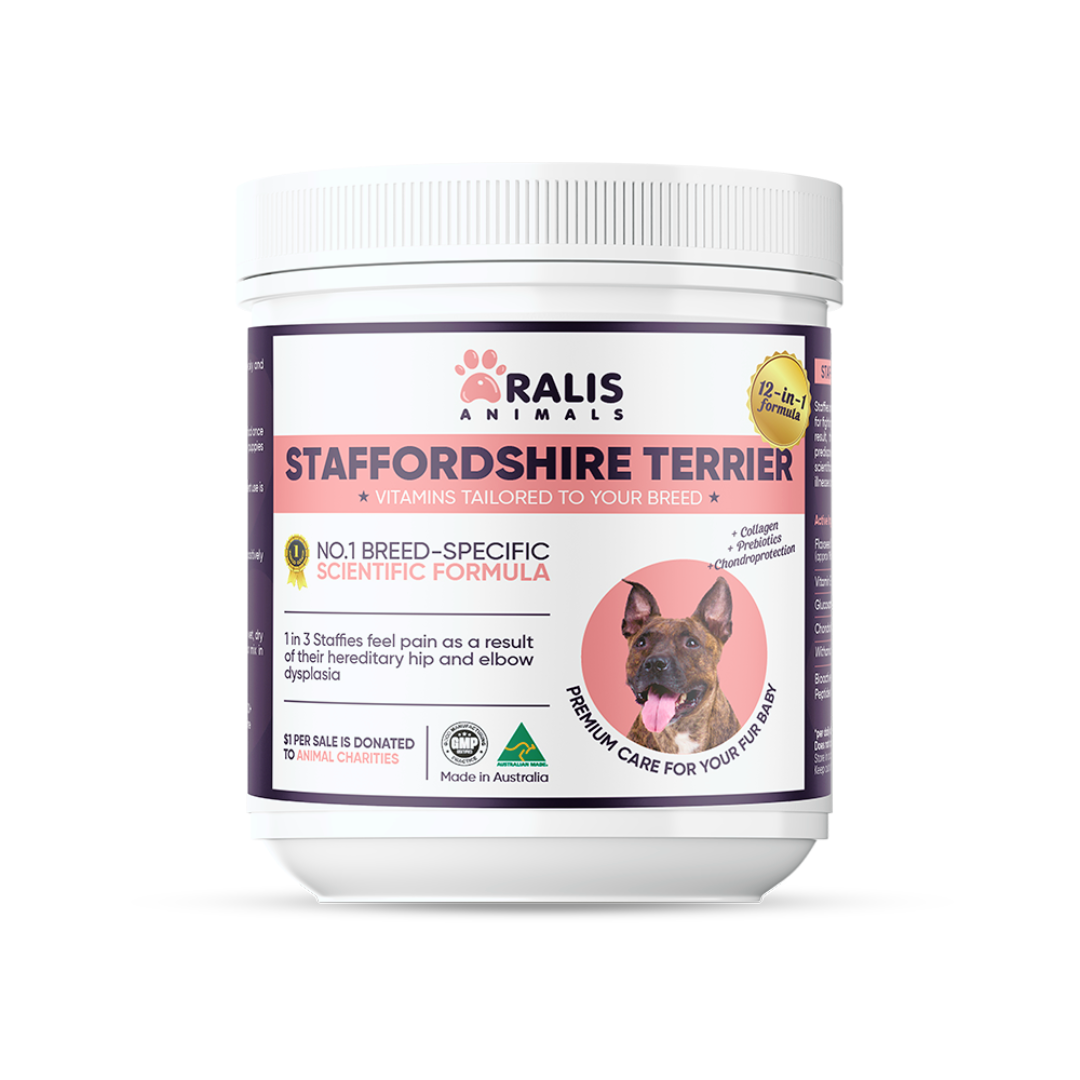
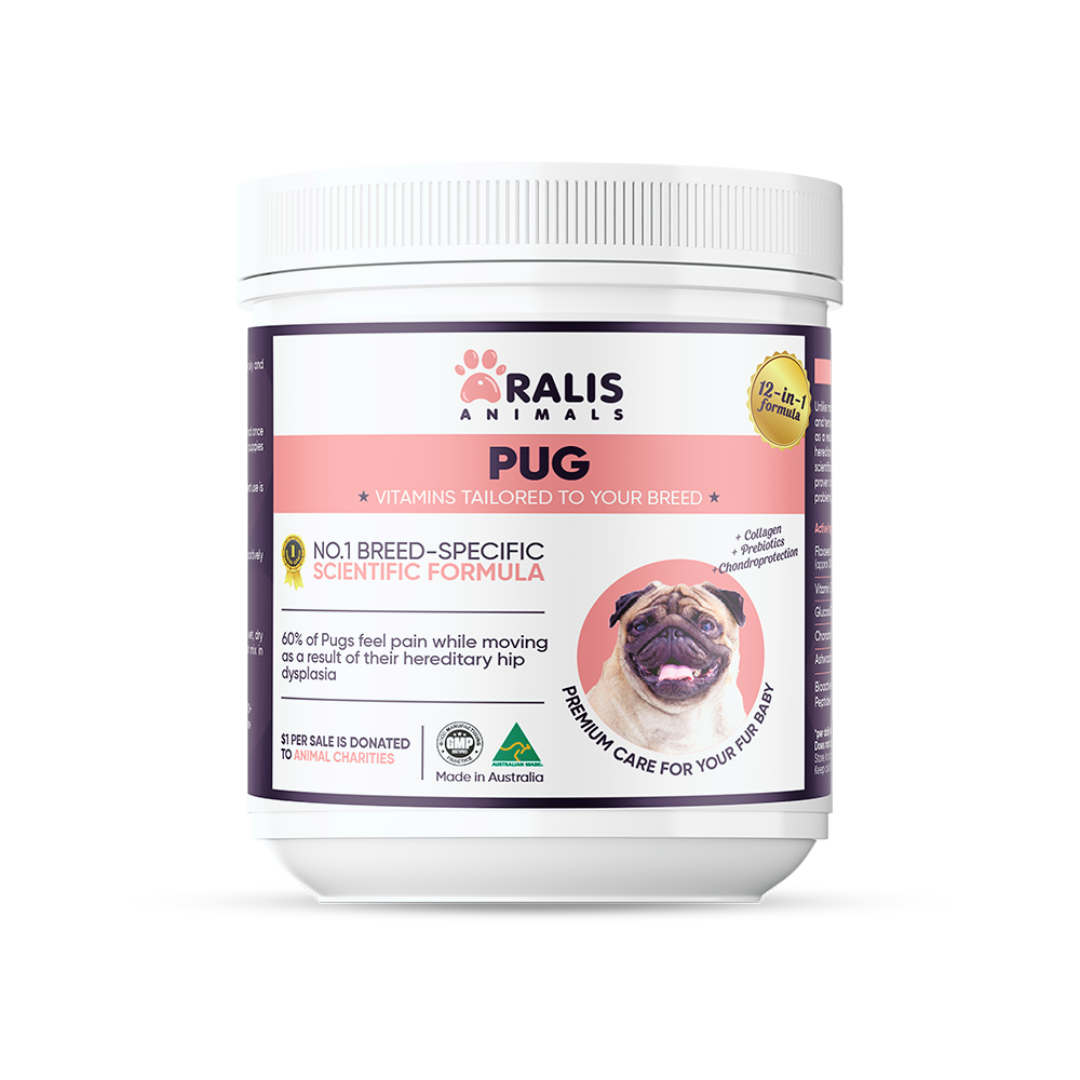
At Aralis Animals, we understand that every dog is unique, and their nutritional needs vary based on their breed. Our breed-specific supplements are designed to elevate your pet's health by addressing common health concerns, including skin and coat health. These tailored solutions can support your dog's immune system and promote healthier skin, potentially reducing the urge to lick their paws excessively. By providing your dog with the right nutritional support, you're taking a proactive step toward their overall wellbeing. Click here to explore more.
Conclusion
Excessive paw licking in dogs is a symptom that deserves attention and investigation. Whether the cause is allergies, skin infections, behavioral issues, pain, or parasites, understanding the underlying reason is the first step toward helping your dog feel better. Don't ignore this behavior, as it can lead to secondary infections and further complications if left unaddressed. Work with your veterinarian to identify the cause, implement appropriate treatment, and consider supportive measures like breed-specific supplements from Aralis Animals to promote your dog's overall health. Your dog is trying to tell you something—listen to what their body is communicating, and take action to ensure they live a comfortable, healthy, and happy life.