


How to Stop Your Dog Chewing Their Paws Without Harsh Treatments

If you've noticed your furry friend constantly licking and chewing their paws, you're not alone. This is one of the most common behavioral issues pet owners face, and it can be both frustrating and heartbreaking to watch. The good news is that there are effective, gentle solutions available that don't require harsh medications or invasive treatments. By understanding the root causes and implementing natural strategies, you can help your dog find relief and restore their comfort.
Understanding Why Dogs Chew Their Paws
Before we dive into solutions, it's important to understand why dogs engage in this behavior in the first place. Paw chewing isn't just a bad habit—it's usually a sign that something is wrong. Dogs chew their paws for various reasons, ranging from physical discomfort to emotional stress. Identifying the underlying cause is the first step toward finding an effective solution.
Common Causes of Paw Chewing
Allergies and Skin Irritation
One of the most prevalent reasons dogs chew their paws is due to allergies. These can be environmental allergies triggered by pollen, dust mites, or mold, or they can be food-related allergies. When dogs experience allergic reactions, their skin becomes inflamed and itchy, leading them to chew and lick their paws excessively. This behavior often worsens during certain seasons or after dietary changes.
Anxiety and Stress
Just like humans, dogs can develop anxiety-related behaviors. Separation anxiety, fear of loud noises, or changes in their environment can trigger compulsive paw chewing. This self-soothing behavior becomes a coping mechanism for stressed dogs, and it can quickly develop into a habit that's difficult to break.
Parasites and Infections
Fleas, mites, and other parasites can cause intense itching that leads to paw chewing. Additionally, bacterial or yeast infections on the skin can create uncomfortable conditions that drive dogs to constantly lick and chew their affected areas. These infections often develop in warm, moist environments like between the toes.
Nutritional Deficiencies
A diet lacking essential nutrients can compromise your dog's skin health and immune system. When dogs don't receive adequate omega-3 fatty acids, vitamins, and minerals, their skin becomes more susceptible to irritation and infection. This nutritional gap can be a significant contributor to paw chewing behavior.
The Critical Connection Between Gut Health and Skin Health
Many pet owners don't realize that skin health starts from within. Your dog's digestive system plays a crucial role in maintaining healthy skin and a strong immune response. When your dog's gut health is compromised, it can manifest as itchy skin, excessive shedding, and yes—constant paw chewing.
How Probiotics and Prebiotics Support Your Dog
The gut microbiome is home to trillions of beneficial bacteria that support digestion, nutrient absorption, and immune function. When this delicate balance is disrupted, it can lead to inflammation throughout the body, including the skin. This is where probiotics and prebiotics come into play.
Probiotics are beneficial live bacteria that help restore and maintain a healthy gut flora. Prebiotics, on the other hand, are specialized plant fibers that feed these beneficial bacteria, helping them thrive. Together, the best prebiotics and probiotics supplements create an optimal environment for digestive health.
When your dog's gut is healthy, their immune system functions more effectively, reducing inflammatory responses that cause itchy skin. This is why dog probiotics for itchy skin have become increasingly popular among veterinarians and pet health experts. By addressing the root cause—gut health—you're tackling the problem at its source rather than just treating the symptoms.
Choosing the Best Prebiotics and Probiotics Supplements for Your Dog
Not all supplements are created equal. When selecting dog probiotic for itchy skin or general gut health, there are several factors to consider.
What to Look For in Quality Supplements
Strain Diversity
The best probiotics for gut health contain multiple beneficial bacterial strains. Different strains offer different benefits, so a diverse formula is more effective than a single-strain product. Look for supplements that include strains like Lactobacillus and Bifidobacterium.
CFU Count
CFU stands for Colony Forming Units, which measures the number of viable bacteria in the supplement. Higher CFU counts aren't always better, but you want enough to make a meaningful impact. Most quality supplements contain between 5 to 50 billion CFUs per serving.
Breed-Specific Formulations
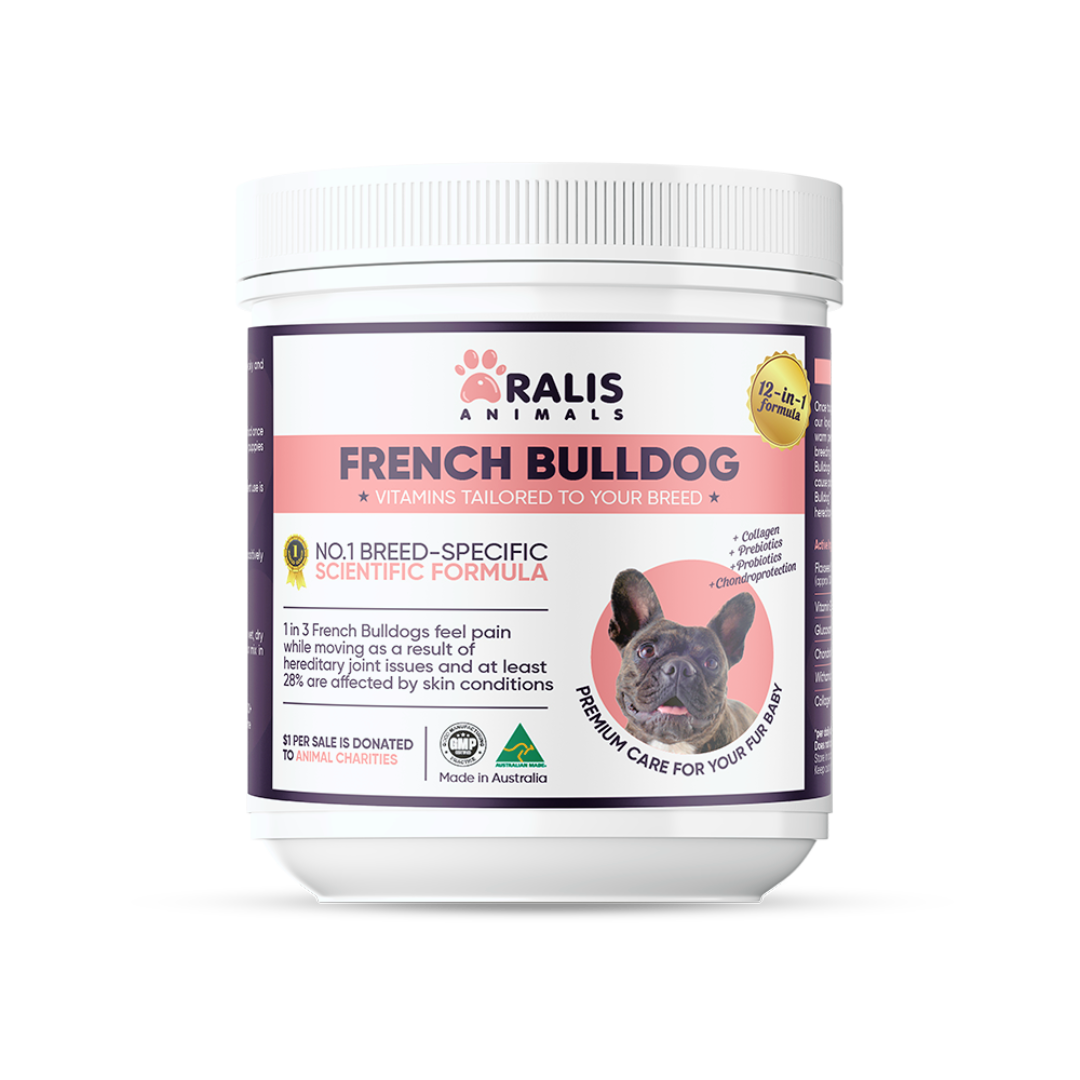
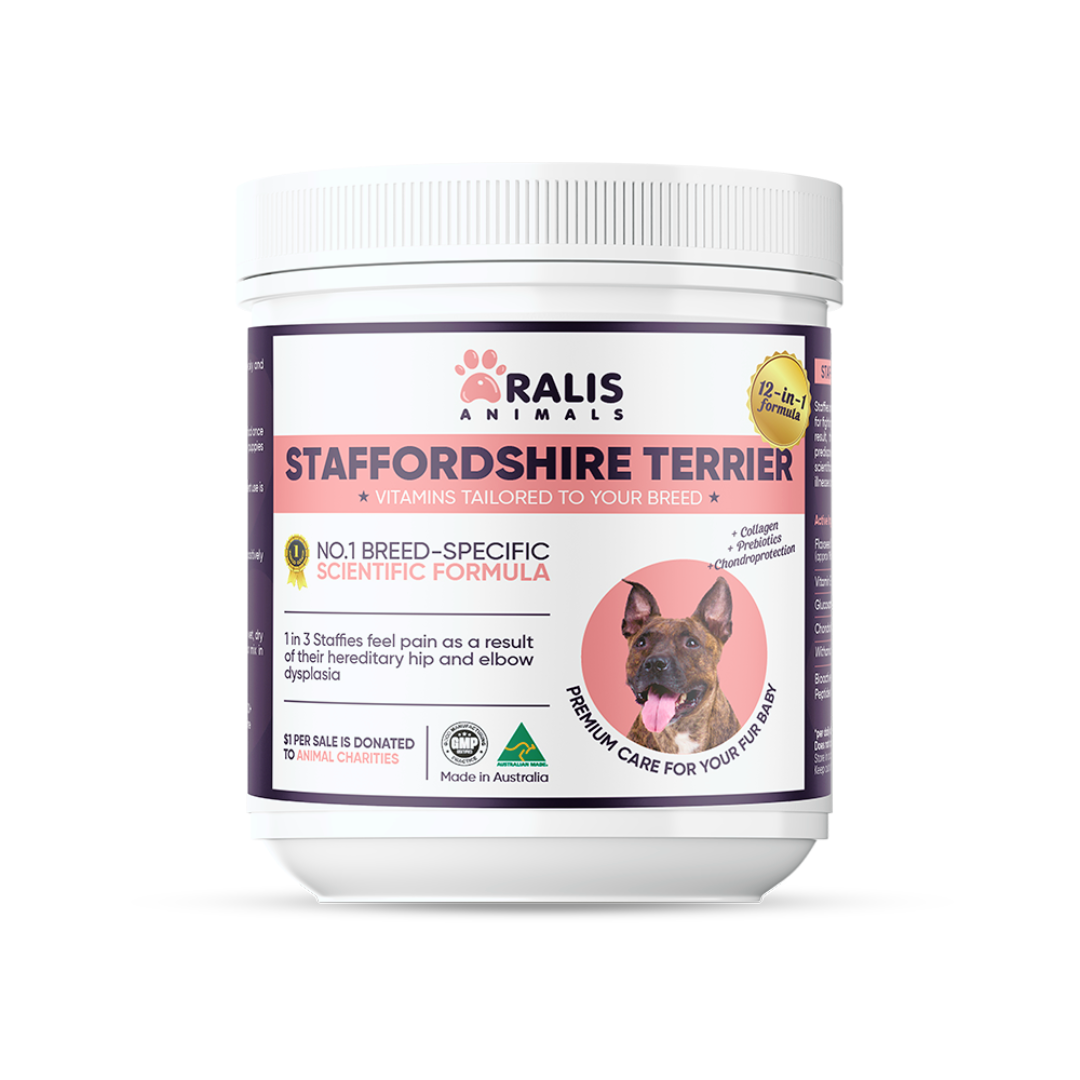
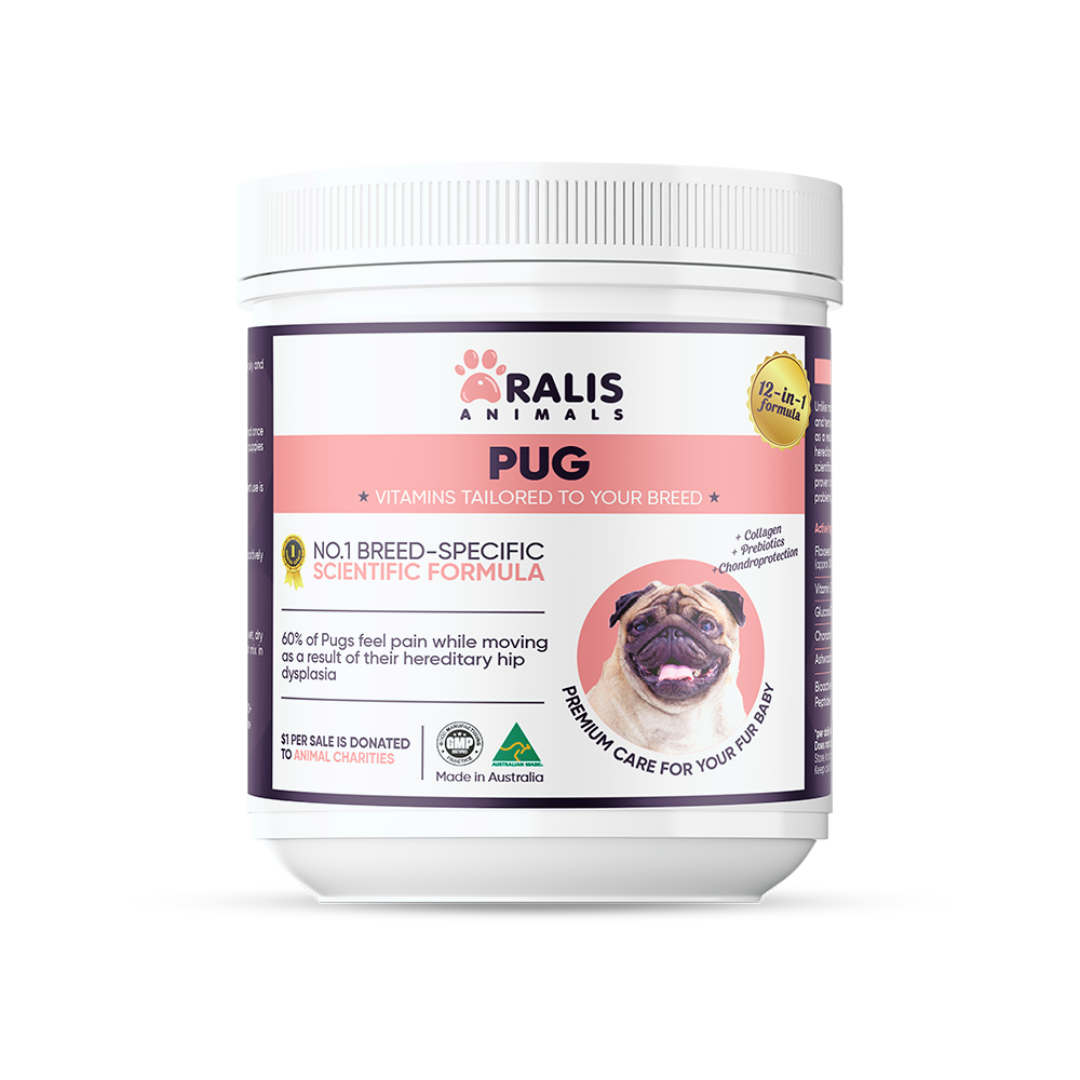
Different dog breeds have different nutritional needs and sensitivities. Breed-specific supplements are formulated to address the particular health concerns common to specific breeds. This targeted approach ensures your dog receives exactly what they need for optimal health.
Quality Ingredients
Ensure the supplement contains natural ingredients without unnecessary fillers, artificial preservatives, or allergens. The best prebiotics and probiotics supplements are transparent about their ingredient sourcing and manufacturing processes.
Natural Treatment Strategies for Paw Chewing
Addressing paw chewing requires a multi-faceted approach. While supplements are important, they work best when combined with other natural strategies.
Dietary Adjustments
Start by evaluating your dog's current diet. Consider switching to a high-quality, protein-rich food that supports skin health. Look for foods that include omega-3 and omega-6 fatty acids, which are essential for maintaining a healthy skin barrier. Some dogs benefit from elimination diets to identify potential food allergies.
Environmental Changes
Reduce stress triggers where possible. Provide a calm, safe space for your dog, maintain consistent routines, and consider using calming aids like pheromone diffusers. Regular exercise also helps reduce anxiety and stress-related behaviors.
Supplement Integration
Introduce prebiotics and probiotics for dogs gradually to allow their digestive system to adjust. Start with a smaller dose and increase to the recommended amount over a week or two. This prevents digestive upset and allows beneficial bacteria to establish themselves effectively.
When to Consult a Veterinarian
If paw chewing persists despite your efforts, or if you notice signs of infection like redness, swelling, or discharge, consult your veterinarian. They can rule out serious conditions and provide additional guidance tailored to your dog's specific situation.
Implementation Tips for Success
Introducing Supplements Properly
Mix the supplement into your dog's regular food or a treat they enjoy. Consistency is key—give supplements at the same time each day to establish a routine. This helps your dog's body adapt and maximizes the benefits.
Expected Timeline for Results
Don't expect overnight results. Most dogs show improvement in skin health and reduced itching within 4 to 8 weeks of consistent supplementation. Some dogs may take longer, depending on the severity of their condition and the underlying cause. Patience and consistency are essential.
Monitoring Progress
Keep a journal of your dog's behavior and skin condition. Note any changes in the frequency of paw chewing, skin appearance, and overall energy levels. This helps you track what's working and identify any patterns related to diet or environmental factors.
Conclusion
Stopping your dog from chewing their paws doesn't require harsh treatments or invasive procedures. By understanding the root causes—whether allergies, stress, parasites, or nutritional deficiencies—and implementing natural solutions, you can help your dog find lasting relief. The connection between gut health and skin health is undeniable, making the best prebiotics and probiotics supplements a valuable tool in your pet care arsenal.
At Aralis Animals, we understand that every dog is unique. That's why we offer breed-specific supplements designed to elevate your pet's health with tailored solutions. Our carefully formulated products support digestive health, immune function, and skin wellness—addressing the underlying causes of paw chewing rather than just masking the symptoms.
If you're looking for a gentle way to support your dog from the inside out, you might like to explore our multivitamin with probiotics and prebiotics thoughtfully formulated to help soothe itchy skin while supporting gut balance. Click here to learn more.