


How to Improve Your Dog's Gut Health with Natural Probiotics and Prebiotics

Your dog's digestive health is fundamental to their overall wellbeing, yet it's often overlooked by pet owners. A healthy gut is the foundation for a strong immune system, vibrant energy levels, and a shiny coat. If you've noticed your furry friend experiencing digestive issues, lethargy, or skin problems, the answer might lie in improving their gut health with natural probiotics and prebiotics. At Aralis Animals, we understand that every dog deserves breed-specific solutions tailored to their unique needs, and supporting digestive wellness is one of the most important investments you can make in your pet's health.
Understanding Dog Gut Health
The Canine Digestive System Basics
Your dog's digestive system is a complex network of organs and microorganisms working together to break down food, absorb nutrients, and eliminate waste. The gut microbiome—the community of bacteria living in your dog's intestines—plays a crucial role in this process. A healthy gut contains billions of beneficial bacteria that aid digestion, produce essential vitamins, and protect against harmful pathogens.
The canine digestive tract is shorter than a human's, which means food moves through more quickly. This is why the quality of what your dog eats and the health of their gut bacteria are so important. When the balance of beneficial bacteria is disrupted, it can lead to various health issues.
Signs of Poor Gut Health
Recognizing the signs of poor gut health in your dog is the first step toward improvement. Common indicators include chronic diarrhea or constipation, vomiting, excessive gas, bloating, poor coat quality, itching and skin issues, lethargy, and a weakened immune system that leads to frequent infections. Some dogs may also experience food sensitivities or allergies that are actually rooted in gut imbalance.
If your dog exhibits any of these symptoms, it's worth exploring whether gut health could be the underlying issue. Many pet owners are surprised to discover that addressing digestive wellness resolves multiple health concerns simultaneously.
Benefits of a Healthy Gut
A healthy gut provides numerous benefits that extend far beyond digestion. When your dog's digestive system is functioning optimally, they experience improved nutrient absorption, which means they get more value from their food. A balanced gut microbiome strengthens the intestinal barrier, preventing harmful bacteria and toxins from entering the bloodstream—a condition known as leaky gut.
Additionally, a healthy gut supports immune function, as approximately 70% of the immune system is located in the gut. Dogs with balanced gut bacteria are better equipped to fight off infections and recover from illness more quickly. You'll also notice improvements in energy levels, coat quality, breath odor, and overall vitality.
What Are Probiotics for Dogs?
Definition and How They Work
Probiotics are live beneficial bacteria that support digestive health and overall wellness. When introduced into your dog's gut, these microorganisms help restore and maintain a healthy bacterial balance. Probiotics work by colonizing the intestines, competing with harmful bacteria for space and nutrients, and producing compounds that create an inhospitable environment for pathogens.
The best probiotics for dogs contain strains specifically selected for their ability to survive the acidic stomach environment and establish themselves in the intestines. Once established, these beneficial bacteria produce short-chain fatty acids that nourish the intestinal lining and support overall gut function.
Types of Beneficial Bacteria
Different probiotic strains offer different benefits. Lactobacillus and Bifidobacterium are among the most researched and beneficial genera for dogs. Specific strains like Lactobacillus acidophilus, Lactobacillus plantarum, and Bifidobacterium animalis have been shown to support digestive health and immune function in canines.
When selecting a natural probiotic for dogs, look for products that contain multiple strains, as diversity in the microbiome is associated with better health outcomes. The number of colony-forming units (CFUs) also matters—higher quality products typically contain at least one billion CFUs per serving.
Natural Probiotic Sources
You can support your dog's gut health through natural food sources before turning to supplements. Fermented foods like plain yogurt, kefir, and sauerkraut contain beneficial bacteria, though the amounts may be modest. Bone broth is another excellent natural source that supports gut health through collagen and amino acids while providing a vehicle for beneficial bacteria.
Some whole food sources like raw or lightly cooked meat contain naturally occurring beneficial bacteria, though these should be handled carefully to avoid contamination. Many pet owners find that combining natural food sources with a high-quality supplement provides the most comprehensive approach to improving gut health.
What Are Prebiotics for Dogs?
Definition and Function
While probiotics are the beneficial bacteria themselves, prebiotics are specialized plant fibers that serve as food for these bacteria. Prebiotics are indigestible by your dog's own enzymes, so they pass through to the colon where they selectively feed beneficial bacteria, promoting their growth and activity.
Think of probiotics as the seeds and prebiotics as the fertilizer—you need both for optimal results. Prebiotics essentially create an environment where beneficial bacteria can thrive and multiply, making them an essential component of any gut health strategy.
How Prebiotics Support Gut Bacteria
Prebiotics work through a process called fermentation. When beneficial bacteria consume prebiotic fibers, they produce short-chain fatty acids like butyrate, which nourish the intestinal lining and reduce inflammation. This process also lowers the pH in the colon, creating conditions that favor beneficial bacteria while inhibiting harmful pathogens.
By feeding the good bacteria, prebiotics help establish a more resilient and diverse microbiome. This diversity is crucial for long-term gut health and overall wellness. Dogs with diverse gut bacteria tend to have stronger immune systems and better resistance to digestive upset.
Natural Prebiotic Sources
Several natural foods contain prebiotics that can benefit your dog's digestive health. Chicory root, Jerusalem artichokes, garlic, onions (in very small amounts), bananas, and asparagus all contain prebiotic fibers. However, some of these foods require careful portion control—for example, garlic and onions should only be given in minimal amounts due to other compounds they contain.
Pumpkin is one of the safest and most effective natural prebiotic sources for dogs, and most dogs enjoy it. Sweet potatoes and regular potatoes also contain beneficial prebiotic fibers. Many pet owners find it easier to incorporate prebiotics through supplements specifically formulated for dogs, ensuring proper dosage and safety.
Probiotics and Prebiotics Working Together
Synbiotic Benefits
The combination of probiotics and prebiotics is called a synbiotic, and this approach offers superior results compared to using either one alone. When you provide both beneficial bacteria and the food they need to thrive, you create optimal conditions for gut health improvement.
Synbiotics work synergistically to establish a healthy microbiome more quickly and effectively than probiotics alone. The prebiotics ensure that the probiotics you introduce have the resources they need to colonize and multiply, while the probiotics actively work to restore balance and fight harmful bacteria.
Why Both Are Essential
Using only probiotics without prebiotics is like planting seeds without watering them—they may not establish themselves effectively. Similarly, prebiotics alone won't introduce the beneficial bacteria your dog needs. The most effective approach to improve gut health involves supporting both the bacteria and their food source.
This is why the best gut health supplements for dogs contain both probiotics and prebiotics. This comprehensive approach addresses the root cause of digestive issues and creates lasting improvements in your dog's health.
Natural Probiotics and Prebiotics for Dogs
Best Food Sources
Creating a diet rich in natural probiotics and prebiotics is an excellent foundation for gut health. Include fermented foods like plain yogurt or kefir in your dog's diet, add pumpkin puree to their meals, and consider incorporating bone broth as a nutritious addition.
Whole, unprocessed foods are always preferable to processed options. Fresh vegetables like sweet potatoes and carrots provide both nutrients and prebiotic fibers. Lean meats and fish offer amino acids that support gut lining integrity.
Recommended Supplements
While food sources are valuable, targeted supplements often provide more concentrated and consistent benefits. Look for products specifically formulated for dogs that contain multiple probiotic strains and prebiotic fibers. Quality matters significantly—choose supplements from reputable manufacturers that conduct third-party testing.
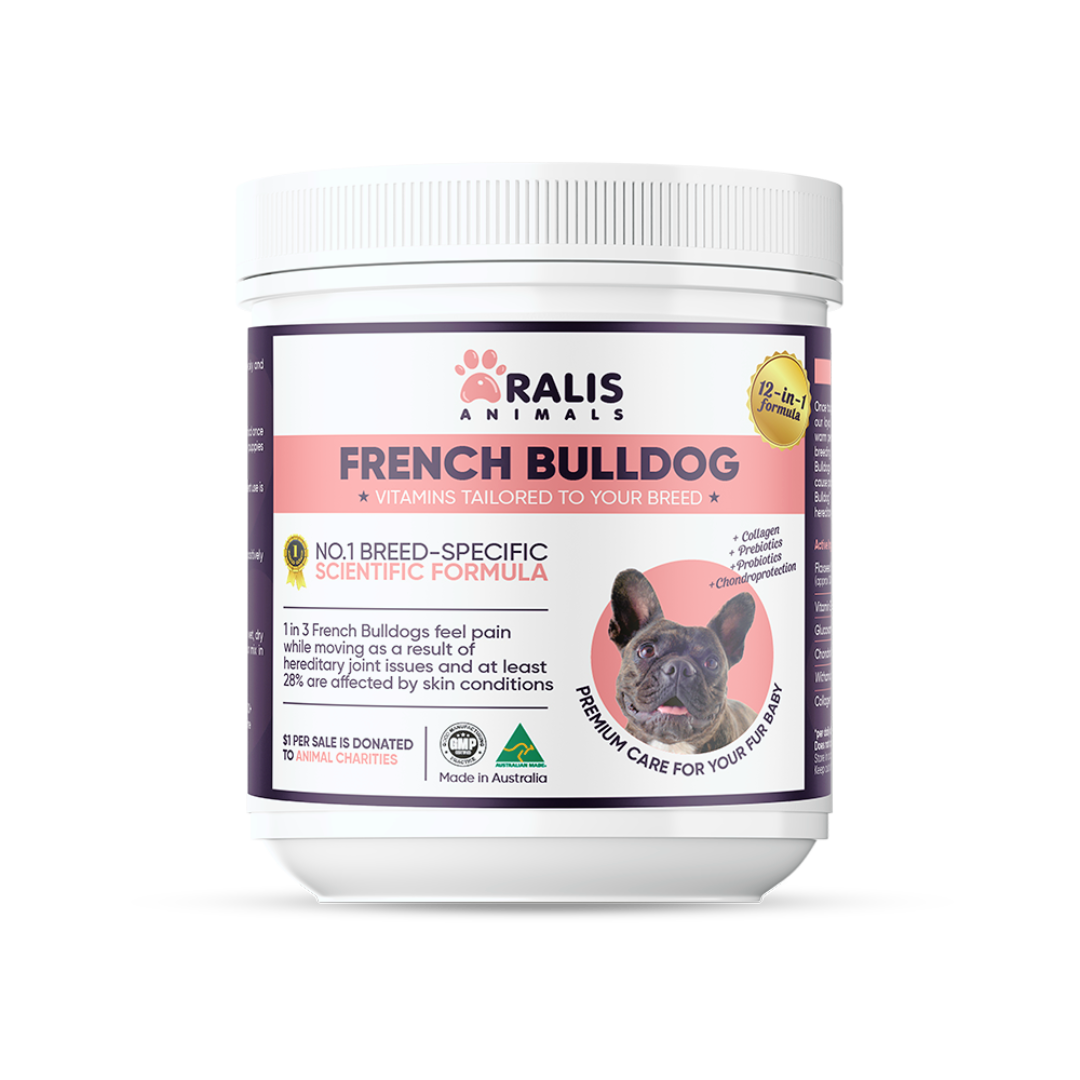
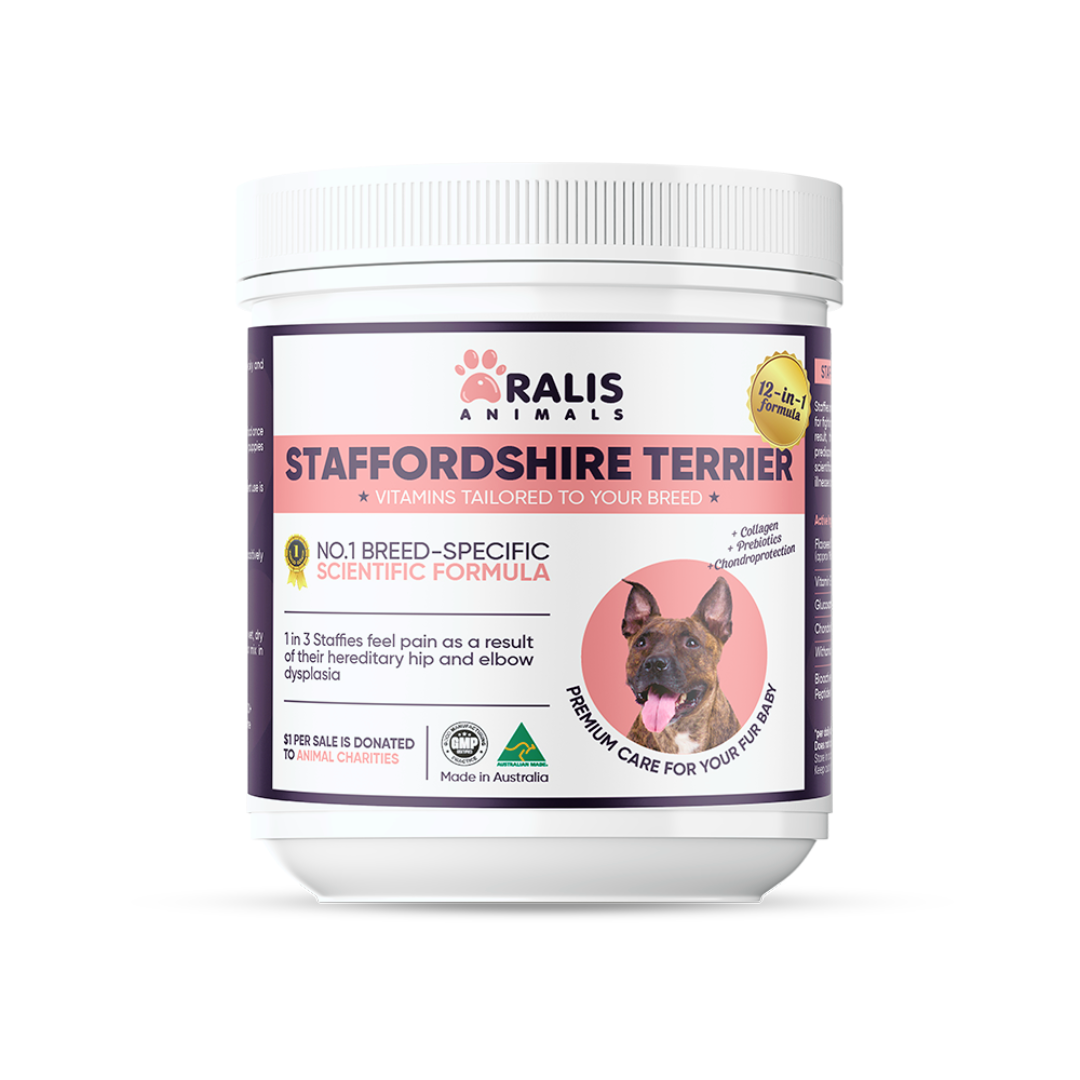
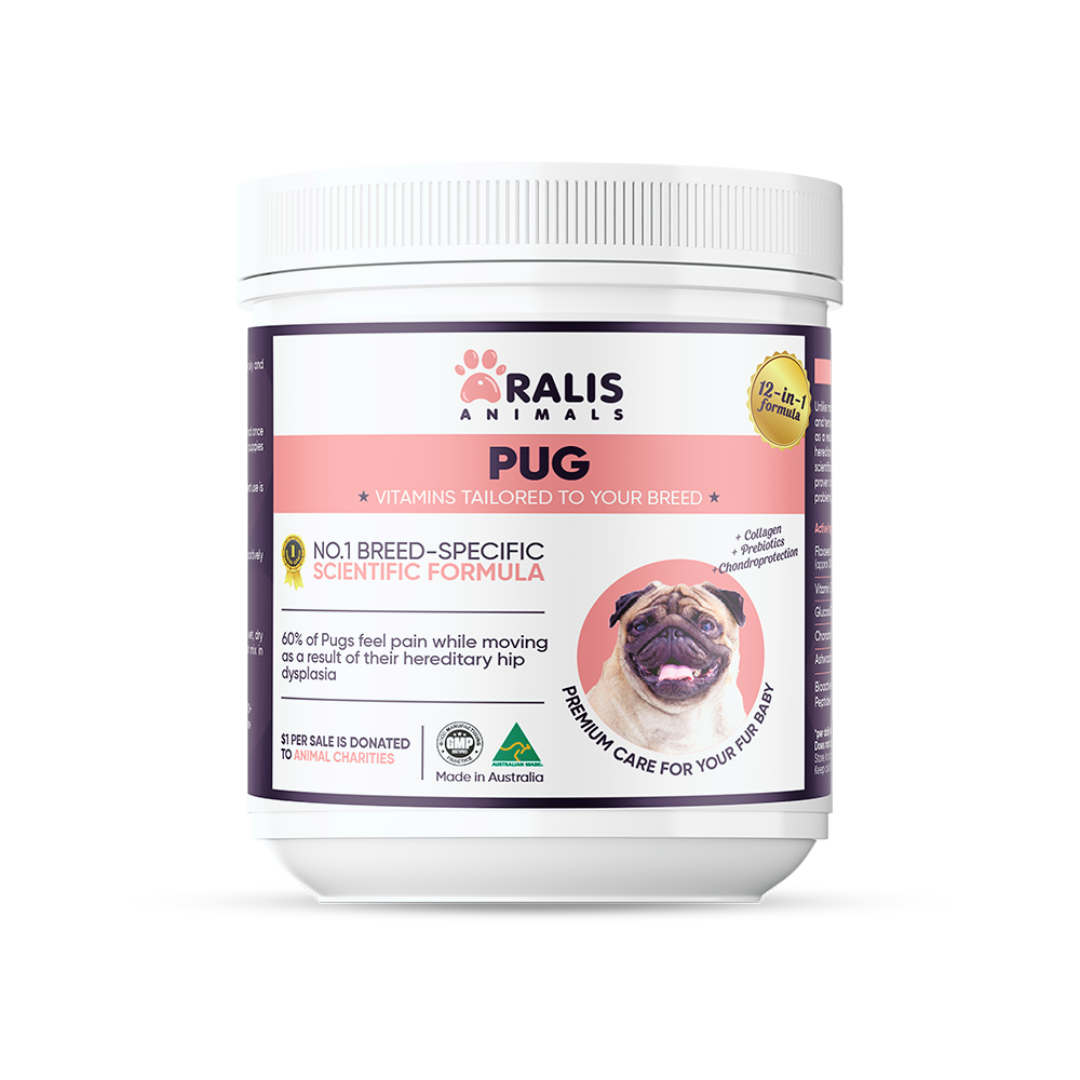
At Aralis Animals, we offer breed-specific supplements designed to support your dog's unique nutritional needs, including comprehensive gut health formulations that combine natural probiotics and prebiotics for maximum effectiveness.
How to Choose Quality Products
When selecting a gut health supplement, check the label for the number of CFUs, the specific bacterial strains included, and the presence of prebiotic ingredients. Avoid products with unnecessary fillers, artificial ingredients, or added sugars. Look for supplements that have been tested for purity and potency.
Read reviews from other dog owners and consult with your veterinarian about which products would be best for your dog's specific situation. The cheapest option isn't always the best—investing in quality supplements yields better results and faster improvements.
How to Improve Your Dog's Digestive Health
Implementation Strategies
Start by assessing your dog's current diet and identifying areas for improvement. Gradually introduce prebiotic-rich foods and high-quality probiotic supplements, allowing your dog's system to adjust. Consistency is key—daily supplementation yields better results than sporadic use.
Ensure your dog has access to fresh water at all times, as hydration is crucial for digestive health. Consider the overall quality of your dog's diet, as premium, whole-food-based nutrition provides a better foundation for gut health improvement.
Dosage Guidelines
Dosage varies depending on your dog's size, age, and specific health needs. Most quality probiotic supplements for dogs provide clear dosing instructions based on weight. Generally, smaller dogs require fewer CFUs than larger breeds, though individual needs vary.
Start with the recommended dose and monitor your dog's response. Some dogs may experience temporary digestive changes as their microbiome rebalances—this is normal and typically resolves within a few days.
Transition Tips
When introducing new supplements or dietary changes, do so gradually over 7-10 days. Mix small amounts of the new supplement or food with your dog's regular diet, gradually increasing the proportion. This slow transition helps prevent digestive upset and allows beneficial bacteria to establish themselves more effectively.
Keep a journal of your dog's digestive health, energy levels, and coat quality as you implement changes. This helps you track progress and identify which interventions work best for your individual dog.
Potential Benefits and Results
Improved Digestion
Within the first few weeks of supporting your dog's gut health with natural probiotics and prebiotics, you should notice improvements in digestion. Stools become more consistent, gas decreases, and your dog seems more comfortable. These are signs that the beneficial bacteria are establishing themselves and restoring balance.
Enhanced Immune Function
As gut health improves, immune function strengthens. You may notice your dog gets sick less frequently and recovers more quickly from illness. This is because the healthy gut barrier prevents harmful pathogens from entering the bloodstream, and the balanced microbiome actively fights infections.
Better Coat and Energy Levels
A healthy gut means better nutrient absorption, which translates to a shinier, healthier coat and increased energy levels. Many dog owners report that their pets seem more vibrant and playful after several weeks of supporting their gut health. Skin issues and itching often improve as well, as these are frequently rooted in digestive imbalance.
Conclusion
Improving your dog's gut health with natural probiotics and prebiotics is one of the most impactful investments you can make in their long-term wellness. By understanding how the digestive system works and providing targeted support through both beneficial bacteria and their food source, you create the foundation for vibrant health that extends far beyond digestion.
Remember that every dog is unique, and what works best for one may need adjustment for another. This is why breed-specific solutions are so valuable—they account for the particular nutritional needs and predispositions of your dog's breed.
Before starting any new supplement regimen, consult with your veterinarian to ensure it's appropriate for your dog's individual health status. Your vet can provide personalized recommendations and monitor your dog's progress.
At Aralis Animals, we're committed to elevating your pet's health with breed-specific supplements tailored to your beloved companion's needs. Explore our product range here and discover how natural probiotics and prebiotics can transform your dog's wellness journey. Your dog deserves the best, and supporting their digestive health is the perfect place to start.