


Grass Allergies in Staffies: Complete Guide to Signs, Symptoms and Relief Strategies

Staffordshire Bull Terriers, affectionately known as Staffies, are beloved companions known for their loyalty, playfulness, and affectionate nature. However, like many dog breeds, they can be prone to certain health conditions that affect their quality of life. One common issue that many Staffy owners encounter is grass allergies. If you've noticed your Staffy excessively licking their paws after outdoor playtime or displaying signs of skin irritation, you're not alone. Grass allergies in dogs are more prevalent than many pet owners realize, and understanding how to identify and manage them is crucial for keeping your furry friend comfortable and healthy.
Understanding Grass Allergies in Dogs
Grass allergies in dogs occur when a dog's immune system overreacts to proteins found in grass. When a dog has a grass allergy, their body treats grass as a threat, triggering an allergic reaction that manifests in various ways. Unlike food allergies that affect the digestive system, grass allergies typically present as skin conditions and respiratory issues.
The allergic reaction to grass in dogs can range from mild to severe, depending on the individual dog's sensitivity level and the type of grass involved. Some dogs may only experience minor itching, while others might develop significant inflammation and secondary skin infections. Understanding that your dog is allergic to grass is the first step toward providing relief and improving their overall wellbeing.
Why Staffordshire Bull Terriers Are Prone to Grass Allergies
Staffordshire Bull Terriers have a genetic predisposition to skin sensitivities and allergies. Their short, dense coat, while beautiful and easy to maintain, doesn't provide as much protection against environmental allergens as longer-haired breeds. Additionally, Staffies have naturally sensitive skin that can react more readily to irritants and allergens in their environment.
Staffy skin conditions are relatively common within the breed, and grass allergies represent one of the most frequent complaints among Staffy owners. The breed's muscular build and love of outdoor activities mean they spend considerable time in contact with grass, increasing their exposure to potential allergens. This combination of genetic predisposition and lifestyle factors makes Staffies particularly susceptible to developing grass allergies.
Recognizing the Signs and Symptoms
Identifying grass allergies in your Staffy is essential for early intervention. The most common sign is excessive paw licking, particularly after outdoor activities. You might notice your dog obsessively licking their paws immediately after coming inside from the garden or park. This behavior is often the first indicator that something is bothering your dog.
Beyond paw licking, watch for red and inflamed paws. The constant moisture from licking can create an environment where secondary yeast or bacterial infections develop, making the problem worse. You may also notice your dog's paws appearing swollen or tender, and they might limp or show signs of discomfort when walking.
Itching and scratching are other hallmark symptoms of grass allergies. Your Staffy might scratch at their legs, belly, or face more frequently than usual. Some dogs develop a habit of rubbing their face on furniture or the ground in an attempt to relieve the itching. This excessive scratching can lead to hair loss and open sores if left untreated.
Skin irritation patterns often appear in areas that have the most contact with grass, such as the paws, legs, and belly. You might notice redness, rashes, or small bumps developing on these areas. In some cases, dogs and grass allergies can result in more widespread skin issues affecting larger portions of the body.
The Science Behind Allergic Reactions to Grass
When a dog with a grass allergy comes into contact with grass, their immune system identifies specific proteins in the grass as harmful invaders. This triggers the release of histamine and other inflammatory compounds, causing the characteristic itching and inflammation associated with allergies.
The immune response in dogs with grass allergies is similar to hay fever in humans. However, while humans primarily experience respiratory symptoms, dogs typically develop skin-related symptoms because their skin is more reactive to allergens. The allergic reaction to grass in dogs can occur within minutes of exposure or develop over several hours, depending on the severity of the allergy.
Severity variations are common among dogs with grass allergies. Some Staffies might only experience mild itching during peak grass season, while others suffer year-round symptoms or develop severe reactions even with minimal exposure. Environmental factors, such as humidity and grass pollen counts, can also influence the severity of symptoms.
Managing and Treating Grass Allergies
Preventative measures are the most effective way to manage grass allergies in your Staffy. Limiting outdoor time during peak grass pollen season, typically spring and early summer, can significantly reduce exposure. When your dog must go outside, consider using protective clothing like dog booties or wraps to minimize direct contact between their skin and grass.
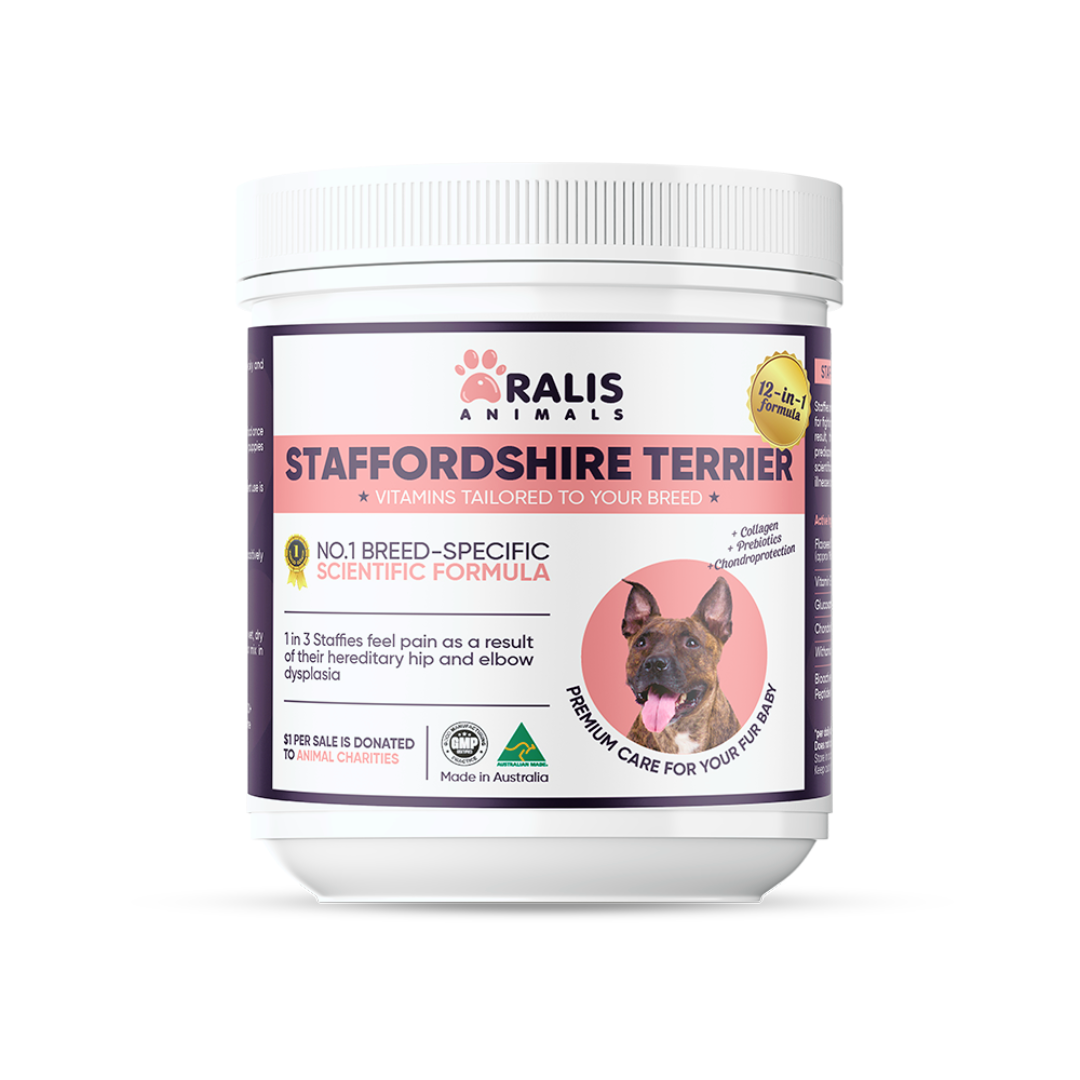
Staffies with grass allergies often benefit from extra skin and immune support from within. Our Aralis Animals Staffordshire Bull Terrier multivitamins are formulated with omega fatty acids, probiotics, and skin-supporting nutrients to help maintain the skin barrier, support gut balance, and keep itchy paws and irritated skin more comfortable—discover inside-out allergy support here.
At-home remedies can provide relief for mild cases. Regular paw soaks in lukewarm water can help remove grass particles and soothe irritated skin. Some owners find that applying a protective balm to their dog's paws before outdoor activities creates a barrier against grass contact. Frequent bathing with hypoallergenic dog shampoo can also help remove allergens from your dog's coat.
However, when to see a vet is an important consideration. If your dog's symptoms persist despite preventative measures, or if you notice signs of secondary infection such as excessive redness, swelling, or discharge, professional veterinary care is necessary. Your vet can perform allergy testing to confirm grass allergies and recommend appropriate treatment options, which might include antihistamines, corticosteroids, or immunotherapy.
Breed-specific supplements designed to support skin health can be invaluable in managing grass allergies. Products from Aralis Animals are specifically formulated to elevate your pet's health with breed-specific supplements tailored to address the unique needs of Staffordshire Bull Terriers. These supplements can help strengthen your dog's skin barrier, reduce inflammation, and support their immune system's response to allergens.
Lifestyle Tips for Affected Dogs
Managing your Staffy's environment is crucial for minimizing allergic reactions. After outdoor activities, rinse your dog's paws thoroughly with clean water to remove grass particles and allergens. Consider wiping their paws with a damp cloth before they enter the house, preventing them from spreading allergens throughout your home.
Grooming practices play an important role in managing grass allergies. Regular brushing helps remove loose hair and allergens from your dog's coat. Keeping your Staffy's nails trimmed can reduce the damage caused by excessive scratching. Some owners find that professional grooming with hypoallergenic products provides additional relief.
Environmental adjustments in your home can also help. Washing your dog's bedding frequently in hypoallergenic detergent removes accumulated allergens. Creating a designated outdoor area with non-grass surfaces, such as paved patios or mulch, gives your dog a place to play with reduced allergen exposure.
Conclusion
Grass allergies in Staffies are a manageable condition when approached with knowledge and proactive care. By recognizing the signs and symptoms early, understanding why your Staffy is particularly susceptible, and implementing preventative measures, you can significantly improve your dog's comfort and quality of life. Whether through environmental management, at-home remedies, or professional veterinary care, there are numerous strategies available to help your beloved companion cope with grass allergies.
Remember that every dog is unique, and what works for one Staffy might not work for another. Working closely with your veterinarian to develop a personalized management plan is essential. Additionally, considering breed-specific supplements from Aralis Animals can provide targeted nutritional support to help your Staffy's skin health and overall wellbeing. With dedication and the right approach, your Staffy can enjoy outdoor activities while maintaining healthy, comfortable skin.