


Grass Allergies in Dogs: Signs, Triggers and How to Support Dogs Allergic to Grass

Grass allergies in dogs are more common than many pet owners realize. If you've noticed your furry friend constantly scratching, licking their paws, or displaying signs of skin irritation, particularly during certain seasons or after outdoor playtime, your dog may be suffering from a grass allergy. Understanding the signs, triggers, and management strategies can help you provide better care for your beloved companion and improve their quality of life significantly.
Understanding Grass Allergies in Dogs
Grass allergies in dogs occur when a dog's immune system overreacts to proteins found in grass or grass pollen. This hypersensitive response triggers inflammation and discomfort, leading to the various symptoms pet owners often observe. Unlike food allergies that affect the digestive system, grass allergies are typically environmental allergies that manifest through skin reactions and respiratory symptoms.
The prevalence of grass allergies in dogs has increased over the years, making it essential for pet owners to recognize and address this issue promptly. A dog allergic to grass may experience symptoms year-round if they're exposed to grass consistently, or seasonally if the allergy is triggered by specific grass types that bloom during particular times of the year.
Signs Your Dog Has a Grass Allergy
Recognizing the signs of a grass allergy is the first step toward helping your dog. The most common indicators include persistent itching and scratching, which may seem excessive compared to normal grooming behavior. You might notice your dog scratching their body, face, or ears more frequently than usual, especially after spending time outdoors.
Dog itching and scratching related to grass allergies often focuses on specific areas. Many dogs with grass allergies develop red and inflamed paws, as these areas come into direct contact with grass during outdoor activities. If you observe your dog's paws appearing red, swollen, or irritated, this could be a clear sign of a grass allergy.
Dog licking paws excessively is another telltale symptom. Some dogs will lick their paws so intensely that they create secondary skin infections or raw patches. This behavior is often a response to the itching and discomfort caused by the allergic reaction. Additionally, you may notice hair loss in areas where your dog frequently licks or scratches, as well as general skin irritation patterns across their body.
Common Triggers and Causes
Different types of grass can trigger allergies in dogs. Bermuda grass, timothy grass, and bluegrass are among the most common culprits. However, the specific grass that triggers your dog's allergy depends on your geographic location and the types of grass prevalent in your area.
Grass allergies can be seasonal or year-round. Seasonal grass allergies typically occur during spring and summer when grasses are actively growing and releasing pollen. Year-round grass allergies may develop if your dog is constantly exposed to grass or if they're allergic to multiple grass types that bloom at different times throughout the year.
Environmental factors also play a significant role in grass allergies. High pollen counts, humidity levels, and temperature changes can exacerbate allergic reactions. Additionally, dogs with compromised skin barriers or those living in areas with high pollution may be more susceptible to developing grass allergies.
Allergic Reaction Symptoms
A dog allergic reaction to grass can manifest in various ways, ranging from mild to severe. Acute reactions occur suddenly and may include intense itching, redness, swelling, or hives appearing within minutes to hours of grass exposure. These reactions can be quite distressing for your dog and require immediate attention.
Chronic reactions develop gradually over time and are characterized by persistent itching, recurring skin infections, and ongoing inflammation. A dog has grass allergy symptoms that persist chronically often experiences reduced quality of life, as the constant discomfort affects their behavior, sleep, and overall well-being.
It's crucial to know when to seek veterinary care. If your dog develops severe swelling, difficulty breathing, or shows signs of anaphylaxis, seek emergency veterinary attention immediately. Additionally, if your dog's scratching leads to open wounds or signs of infection, professional medical intervention is necessary to prevent complications.
Treatment and Management Options
Veterinary treatments for grass allergies may include antihistamines, corticosteroids, or immunotherapy. Your veterinarian can recommend the most appropriate treatment based on your dog's specific situation and the severity of their symptoms. Some dogs respond well to antihistamines, while others may require stronger medications.
Home remedies and preventive measures can complement veterinary treatments. Regular bathing with hypoallergenic shampoos can help remove grass particles and soothe irritated skin. Wiping your dog's paws after outdoor activities reduces grass exposure and prevents allergens from being tracked into your home.
Dog itchy skin treatment at home can include applying soothing balms, using humidifiers to maintain skin moisture, and providing a clean, allergen-reduced environment. Many pet owners find that these preventive measures significantly reduce their dog's symptoms.
The role of supplements in supporting skin health cannot be overlooked. High-quality supplements containing omega-3 fatty acids, probiotics, and antioxidants can strengthen your dog's skin barrier and support their immune response, helping them better manage allergic reactions.
How Breed-Specific Supplements Can Help
Different dog breeds have unique nutritional needs and predispositions to certain health conditions. Breed-specific supplements are formulated to address these particular requirements, making them an excellent addition to your dog's allergy management plan.
Supplements designed for dogs with allergies typically support immune response by providing nutrients that help regulate inflammatory reactions. By strengthening the immune system, these supplements can reduce the severity of allergic reactions and help your dog's body better tolerate grass exposure.
Promoting skin and coat health is another crucial benefit of targeted supplements. Ingredients like biotin, zinc, and essential fatty acids nourish the skin from within, improving its barrier function and reducing inflammation. A healthier skin barrier is more resistant to allergens and less prone to secondary infections.
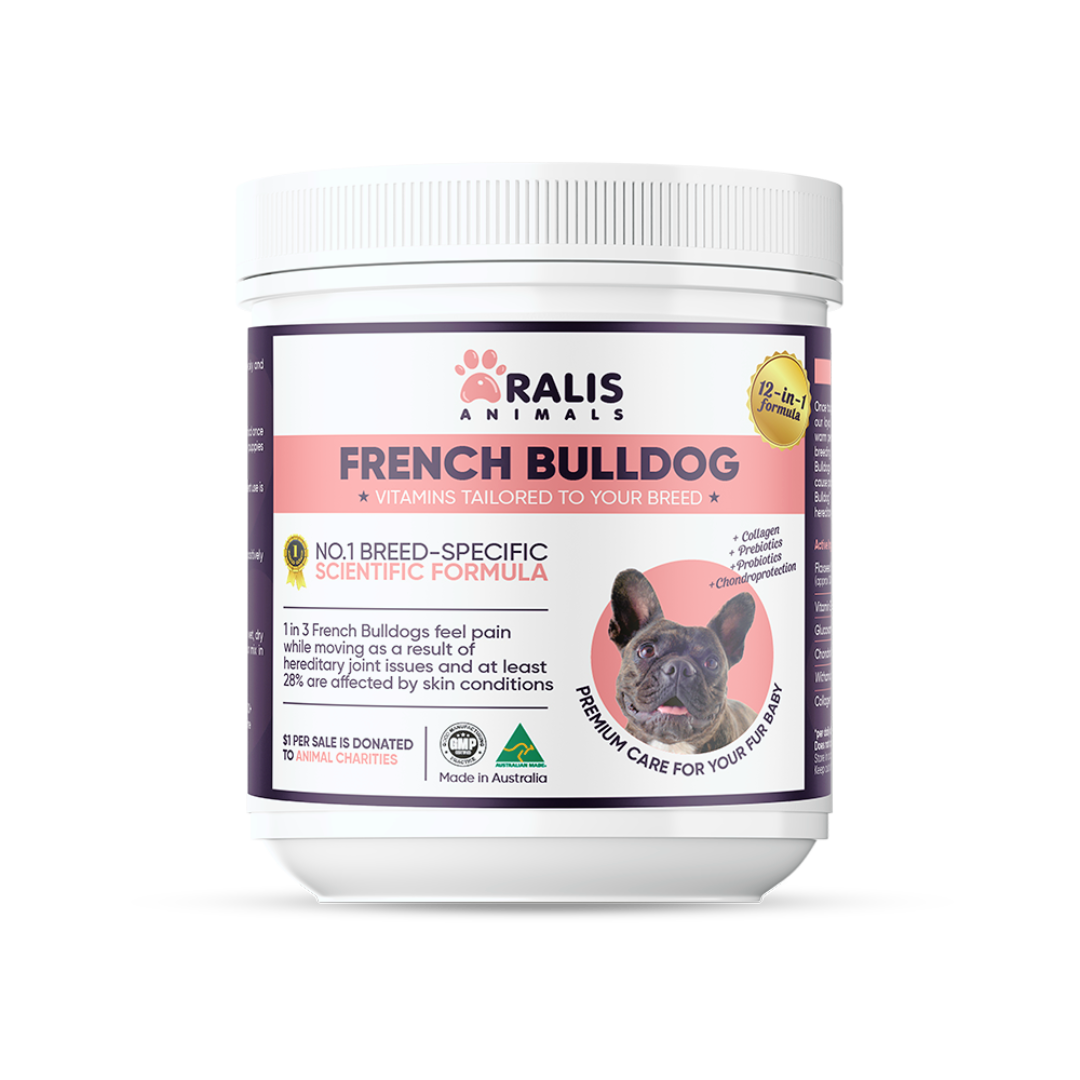
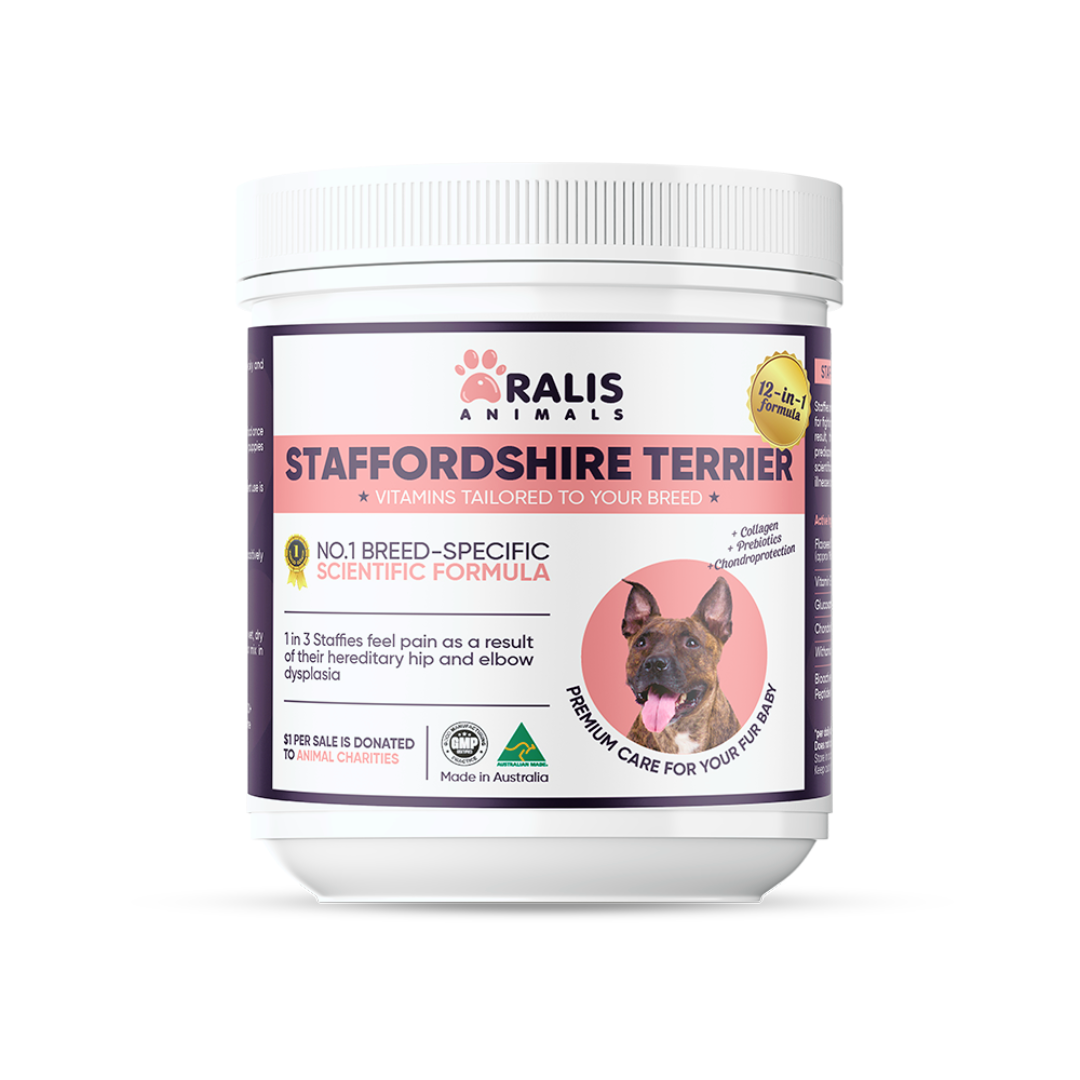
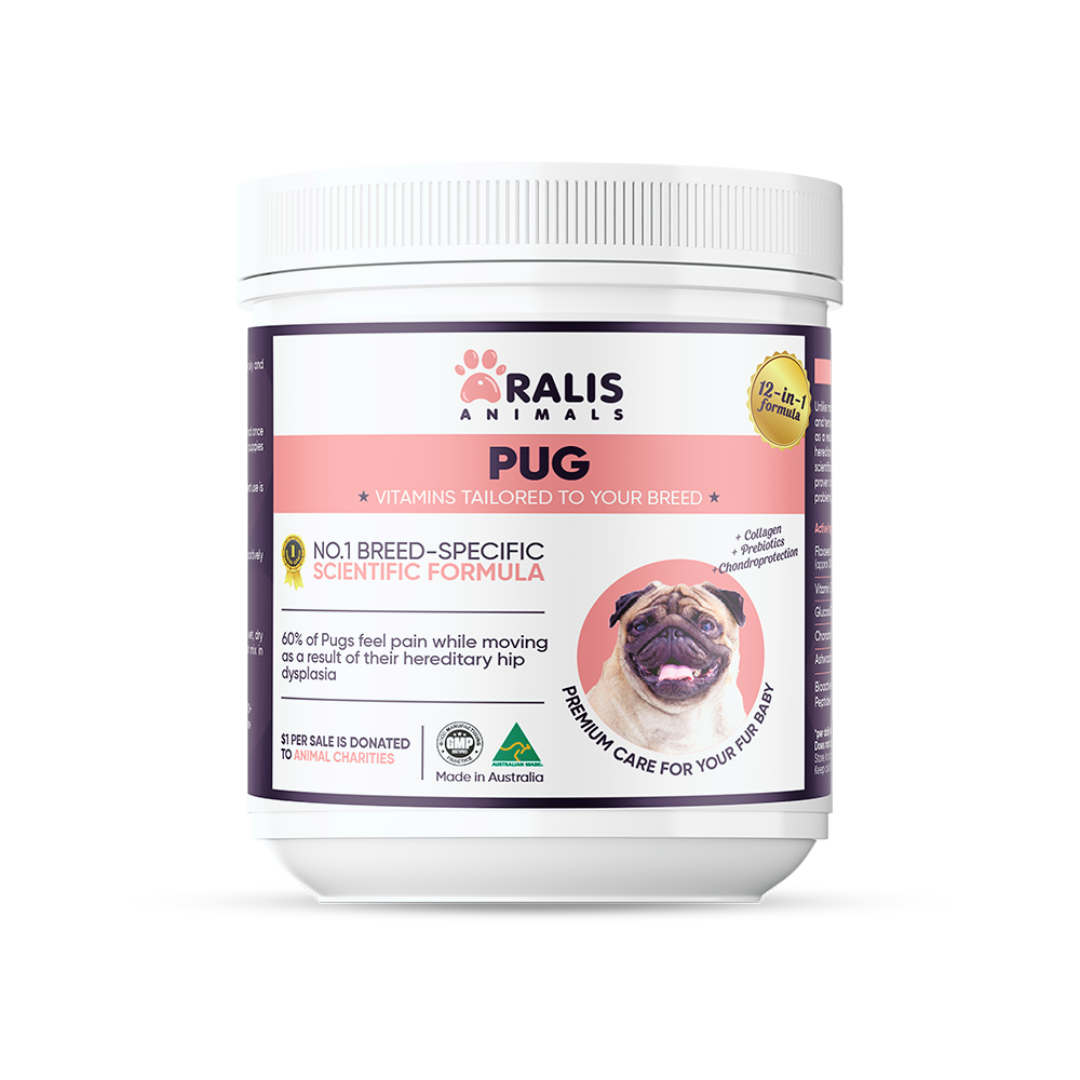
Aralis Animals offers tailored supplement solutions specifically designed to support dogs with allergies. Their breed-specific formulations take into account the unique needs of different dog breeds, ensuring that your dog receives the precise nutrients required to manage grass allergies effectively. By choosing supplements from Aralis Animals, you're investing in your dog's long-term health and comfort.
Prevention Tips
Reducing grass exposure is one of the most effective prevention strategies. Limit your dog's time on grass during high pollen seasons, and consider creating designated outdoor areas with alternative surfaces like mulch or gravel. When grass exposure is unavoidable, keep outdoor sessions brief and follow up with thorough cleaning.
Establish post-outdoor care routines that become part of your daily schedule. After each outdoor activity, wipe your dog's paws with a damp cloth, rinse their coat if possible, and check their skin for any signs of irritation. This simple routine can dramatically reduce allergic reactions.
Environmental management involves maintaining a clean home environment. Regularly vacuum, wash your dog's bedding, and use air purifiers to reduce indoor allergen levels. Keeping windows closed during high pollen seasons can also help minimize your dog's exposure to grass allergens.
Conclusion
Grass allergies in dogs are manageable conditions when pet owners understand the signs, triggers, and available treatment options. By recognizing symptoms like dog itching and scratching, red and inflamed paws, and excessive dog licking paws, you can take prompt action to improve your dog's comfort and health.
A comprehensive approach combining veterinary care, preventive measures, and high-quality supplements offers the best chance of successfully managing your dog's grass allergy. Consulting with your veterinarian is essential to develop a personalized treatment plan tailored to your dog's specific needs.
Consider incorporating breed-specific supplements from Aralis Animals into your dog's daily routine. These specially formulated solutions are designed to support immune response and promote skin health, helping your dog better manage grass allergies and enjoy a more comfortable life. If your dog struggles with seasonal itching or red, irritated paws, starting with consistent immune and skin support can make a meaningful difference. Our breed-specific formulas are designed to help dogs better tolerate grass exposure over time; you’re welcome to explore them here and see if they’re a good fit for your companion.