



Golden Retriever Joint Care: Supporting Hips and Mobility as They Age

Golden Retrievers are beloved family companions known for their friendly temperament, intelligence, and boundless energy. However, these wonderful dogs are particularly susceptible to joint and hip problems as they age. If you're a Golden Retriever owner, understanding how to support your dog's joint health is crucial for maintaining their quality of life and keeping them active and comfortable throughout their golden years. This comprehensive guide explores everything you need to know about Golden Retriever joint care, from recognizing early signs of problems to implementing effective solutions with the right hip and joint supplements for dogs.
Understanding Hip and Joint Problems in Golden Retrievers
Golden Retrievers are genetically predisposed to certain orthopedic conditions that affect their hips and joints. Understanding these conditions is the first step toward proactive care and prevention.
Hip Dysplasia in Golden Retrievers
Hip dysplasia is one of the most common orthopedic issues affecting Golden Retrievers. This condition occurs when the hip joint doesn't develop properly, leading to a loose fit between the femur and hip socket. Over time, this abnormal movement causes cartilage to wear down, resulting in pain, inflammation, and reduced mobility. Hip dysplasia can be present from birth but often doesn't show symptoms until the dog reaches middle age or older.
Osteoarthritis and Joint Degeneration
As Golden Retrievers age, osteoarthritis becomes increasingly common. This degenerative joint disease develops when the protective cartilage that cushions the joints breaks down. The condition is progressive and can affect multiple joints throughout the body, including the hips, knees, elbows, and spine. Osteoarthritis causes chronic pain and stiffness, particularly noticeable after rest or during cold weather.
Recognizing Signs of Joint Issues
Early detection of joint problems can significantly improve outcomes. Watch for these warning signs in your Golden Retriever:
- Dog limping or favoring one leg, especially after exercise or rest
- Dog limping back leg specifically, which often indicates hip or knee problems
- Lameness in dogs that worsens with activity
- Reluctance to jump, climb stairs, or get into vehicles
- Stiffness, particularly when rising from rest
- Reduced enthusiasm for walks or play
- Swelling around the joints
- Behavioral changes such as irritability or depression due to pain
The Importance of Proactive Joint Care
The key to managing your Golden Retriever's joint health is taking a proactive approach rather than waiting for problems to develop. Starting joint care early, even before symptoms appear, can help slow the progression of degenerative conditions and maintain your dog's mobility and quality of life for years to come.
The Role of Joint Supplements in Canine Health
Joint supplements have become an essential component of preventative and therapeutic care for aging dogs. Understanding how these supplements work helps you make informed decisions about your Golden Retriever's health.
How Glucosamine & Chondroitin Work
Glucosamine and chondroitin are among the most researched and effective ingredients in joint supplements for dogs. Glucosamine is an amino sugar that serves as a building block for cartilage and synovial fluid, the lubricant that allows joints to move smoothly. Chondroitin is a compound that helps cartilage retain water, maintaining its shock-absorbing properties and elasticity.
When administered as supplements, glucosamine & chondroitin for dogs work together to:
- Reduce inflammation in affected joints
- Slow cartilage degradation
- Promote cartilage repair and regeneration
- Improve joint lubrication and mobility
- Reduce pain and discomfort
- Enhance overall joint function
Additional Beneficial Ingredients
Beyond glucosamine and chondroitin, the best joint supplements for dogs often include complementary ingredients such as:
- MSM (Methylsulfonylmethane): Provides sulfur for collagen and cartilage formation
- Omega-3 Fatty Acids: Reduce inflammation throughout the body
- Hyaluronic Acid: Maintains joint fluid viscosity and lubrication
- Turmeric and Curcumin: Natural anti-inflammatory compounds
- Green-Lipped Mussel: Contains natural glucosamine, chondroitin, and omega-3s
- Vitamin C and E: Antioxidants that protect joint tissues
Best Joint Supplements for Dogs: What to Look For
With countless products on the market, selecting the right joint supplement for your Golden Retriever can be overwhelming. Here's what to consider when evaluating options.
Quality and Ingredient Standards
The best joint supplements for dogs are manufactured by reputable companies that follow strict quality control standards. Look for products that:
- Use pharmaceutical-grade ingredients
- Provide transparent ingredient lists with specific dosages
- Have undergone third-party testing
- Are manufactured in facilities that follow Good Manufacturing Practices (GMP)
- Include certificates of analysis
Breed-Specific Formulations
Not all dogs have the same nutritional needs. Breed-specific supplements are formulated to address the particular health concerns common to specific breeds. For Golden Retrievers, breed-specific joint supplements take into account their size, genetic predispositions, and typical health challenges.
Aralis Animals Breed-Specific Solutions
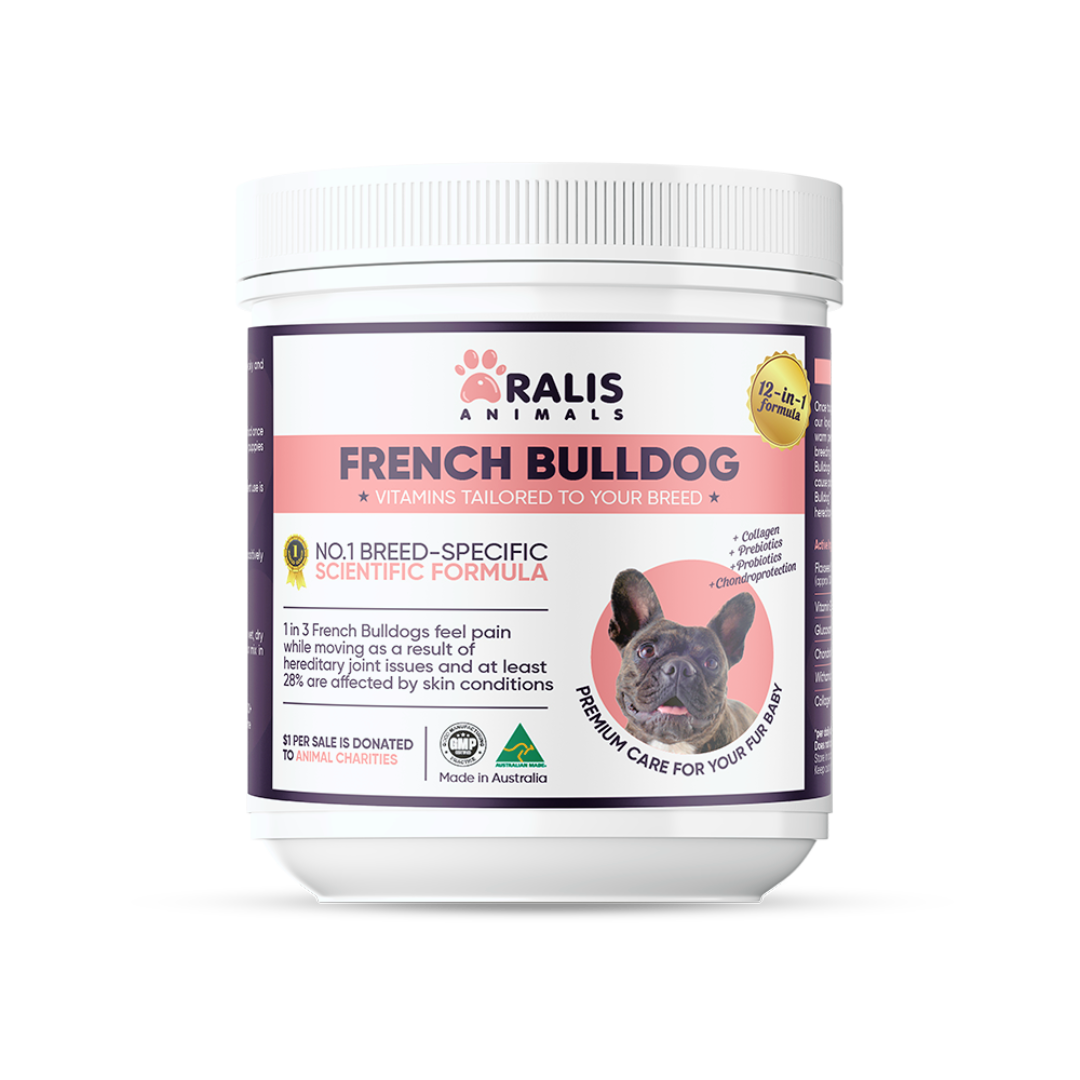
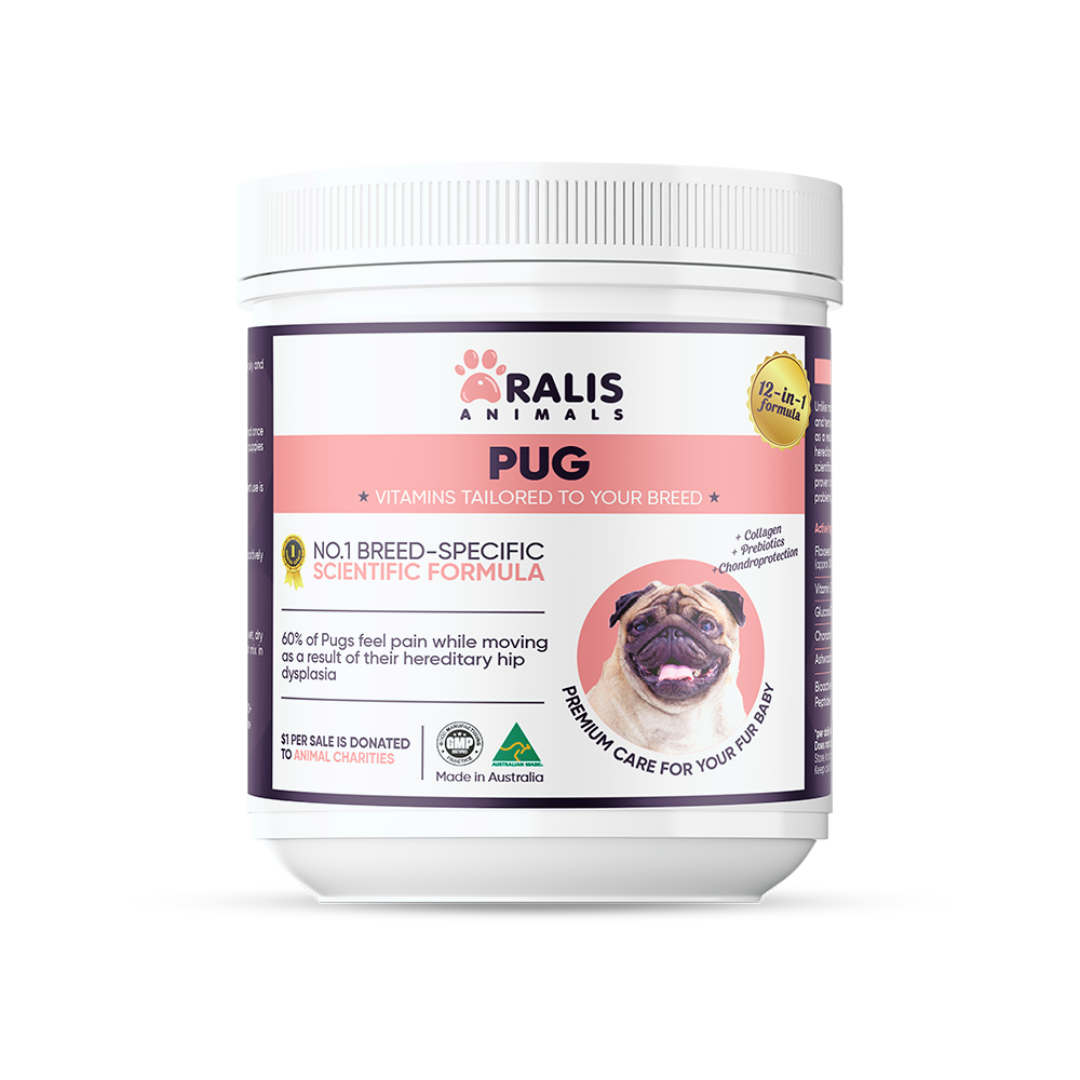
Aralis Animals specializes in elevating your pet's health with breed-specific supplements designed to meet the unique needs of different dog breeds. Their Golden Retriever joint care formulations are specifically tailored to support hip and joint health in this breed, incorporating the most effective ingredients in optimal dosages. By choosing breed-specific solutions from Aralis Animals, you're investing in a product developed with your Golden Retriever's particular health profile in mind.
Supporting Your Golden Retriever's Mobility: A Comprehensive Approach
While joint supplements play a crucial role, they work best as part of a comprehensive joint care strategy that includes lifestyle modifications and preventative measures.
Exercise and Activity Management
Maintaining appropriate exercise levels is essential for joint health. Regular, moderate exercise helps maintain muscle strength that supports the joints, improves circulation, and keeps your dog at a healthy weight. However, excessive or high-impact exercise can accelerate joint damage.
Ideal activities for Golden Retrievers with joint concerns include:
- Leisurely walks on soft surfaces like grass or dirt trails
- Swimming, which provides excellent low-impact exercise
- Controlled play sessions with appropriate rest periods
- Gentle stretching and range-of-motion exercises
Avoid high-impact activities such as jumping, running on hard surfaces, or repetitive ball chasing, especially for dogs showing signs of joint problems.
Weight Management
Excess weight places additional stress on joints, accelerating degeneration. Maintaining your Golden Retriever at an ideal body weight is one of the most effective ways to reduce joint stress and pain. Work with your veterinarian to determine the appropriate weight for your dog and adjust feeding accordingly.
Environmental Modifications
Simple changes to your home environment can significantly improve comfort for dogs with joint issues:
- Provide orthopedic beds that cushion joints
- Use ramps or steps to reduce jumping on and off furniture
- Place food and water bowls at appropriate heights
- Maintain warm, dry sleeping areas
- Consider heated beds during cold months
When to Start Supplementation
The ideal time to start joint supplements depends on your individual dog. For Golden Retrievers with a family history of hip dysplasia or joint problems, starting supplements as early as one to two years old can provide preventative benefits. For dogs already showing signs of joint issues, starting immediately can help manage pain and slow progression. Always consult with your veterinarian before beginning any supplement regimen.
Creating a Long-Term Joint Health Strategy
Managing your Golden Retriever's joint health is an ongoing commitment that requires consistency and adaptation as your dog ages.
Regular Veterinary Monitoring
Schedule regular check-ups with your veterinarian to monitor your dog's joint health. Your vet can assess mobility, detect early signs of problems, and recommend adjustments to your care strategy. Radiographs may be recommended to evaluate hip dysplasia or arthritis progression.
Combining Supplements with Veterinary Care
While joint supplements are valuable, they work best in conjunction with professional veterinary care. Your veterinarian may recommend additional treatments such as physical therapy, pain management medications, or in severe cases, surgical interventions. A coordinated approach combining supplements, lifestyle modifications, and professional care provides the best outcomes.
Adjusting Care as Your Dog Ages
Your Golden Retriever's needs will change throughout their life. What works well at age five may need adjustment at age ten. Stay attentive to your dog's mobility and comfort levels, and be prepared to modify their exercise routine, supplement dosages, or other care elements as needed.
Conclusion: Investing in Your Golden Retriever's Quality of Life
Golden Retrievers bring immeasurable joy to our lives, and they deserve our commitment to their health and wellbeing throughout their lives. Hip and joint problems are common in this breed, but with proactive care, you can significantly impact your dog's comfort, mobility, and quality of life.
By understanding the joint health challenges specific to Golden Retrievers, implementing a comprehensive care strategy that includes appropriate exercise, weight management, environmental modifications, and high-quality joint supplements, you can help your beloved companion enjoy their golden years to the fullest.
At Aralis Animals, we focus on supporting Golden Retrievers with joint care tailored to their size, structure, and genetic predispositions. Our breed-specific blends combine glucosamine, chondroitin, omega-3s, and complementary nutrients in carefully balanced ratios designed to protect hip health long-term. If you’re looking for consistent, preventative support, you can learn more here.