


Food, Grass, or Dust? How to Identify What's Triggering Your Dog's Skin Allergies

If you've noticed your beloved dog scratching more than usual, licking their paws constantly, or developing red, irritated patches of skin, you're not alone. Dog skin allergies are one of the most common health issues veterinarians encounter, affecting millions of dogs worldwide. The challenge for pet owners isn't just recognizing that their dog has allergies—it's identifying what's actually causing them. Is it something in their food? Environmental factors like grass or pollen? Or perhaps dust mites lurking in their bedding? Understanding the root cause of your dog's skin allergies is the first crucial step toward providing relief and improving their quality of life.
Common Dog Allergies: The Three Main Culprits
When it comes to common dog allergies, three categories dominate: food allergies, grass allergies, and dust mite allergies. Each type presents differently and requires a distinct approach to management and treatment.
Food Allergies in Dogs
Food allergies represent one of the most prevalent causes of skin problems in dogs. Unlike food sensitivities, which affect the digestive system, true food allergies trigger an immune response that often manifests through the skin. The most common food allergens for dogs include beef, chicken, wheat, corn, soy, and dairy products. Some dogs may also react to specific proteins or grains that aren't typically considered problematic.
What makes food allergies particularly tricky is that they can develop at any point in your dog's life, even if they've been eating the same food for years without issues. A dog allergies diagnosis related to food typically involves an elimination diet, where you systematically remove potential allergens and monitor your pet's response.
Grass Allergies
A dog allergic to grass is experiencing what's known as an environmental or contact allergy. When dogs come into contact with grass, pollen, or other outdoor allergens, their skin can react with itching, redness, and inflammation. Dogs and grass allergies are particularly common during spring and summer months when pollen counts are highest, though some dogs experience year-round symptoms.
The symptoms of a dog allergic to grass often include excessive licking of paws, scratching around the face and ears, and general restlessness. You might notice your dog has itchy skin primarily after spending time outdoors, which is a telltale sign of environmental allergies.
Dust Mite Allergies
Dust mite allergies are often overlooked but surprisingly common in dogs. These microscopic creatures thrive in bedding, carpets, and furniture, making them difficult to completely eliminate from your home. A dust mite allergy can cause year-round symptoms, distinguishing it from seasonal grass allergies.
Understanding Dog Itching and Scratching
Dog itching and scratching is your pet's way of communicating discomfort. However, not all scratching indicates allergies. Understanding the signs of allergic reactions versus other potential causes is essential for proper diagnosis.
Signs of Allergic Reactions
When a dog has allergies, you'll typically notice persistent scratching, licking, and biting at their skin. The affected areas may become red, inflamed, or develop a rash. Some dogs experience hair loss due to excessive licking, while others develop secondary skin infections from breaking the skin barrier through scratching.
Other signs include ear infections, which are surprisingly common in dogs with allergies, as the ear canal is lined with skin that reacts to allergens. You might notice your dog shaking their head frequently or scratching at their ears.
Dog Itching But No Fleas: What It Means
Many pet owners assume that if their dog is itching, fleas must be the culprit. However, dog itching but no fleas is actually quite common and points toward allergies as the likely cause. If you've ruled out fleas through regular flea prevention and veterinary examination, allergies become the primary suspect.
Causes of Itching in Dogs
The causes of itching in dogs extend beyond the three main allergen categories. Other potential triggers include contact allergies to shampoos, cleaning products, or materials like wool or synthetic fabrics. Yeast infections, which often develop secondary to allergies, can also cause significant itching. Hormonal imbalances, parasites other than fleas, and even stress can contribute to excessive scratching.
Food Allergies: Symptoms and Solutions
How to Identify Food Allergies
Identifying food allergies requires patience and systematic observation. Keep a detailed log of what your dog eats and any symptoms that appear. Food allergies typically develop gradually, with symptoms worsening over weeks or months. Common signs include chronic ear infections, anal gland problems, vomiting, diarrhea, and of course, skin issues.
The gold standard for diagnosing food allergies is an elimination diet lasting 8-12 weeks. During this period, you feed your dog a limited ingredient diet containing proteins and carbohydrates they've never eaten before. If symptoms improve significantly, you've likely identified a food allergy. You can then reintroduce ingredients one at a time to pinpoint the specific allergen.
Common Food Allergens
While any ingredient can theoretically cause an allergy, certain foods are more commonly problematic. Beef, chicken, and wheat are the most frequent culprits, followed by corn, soy, and dairy. Interestingly, many dogs with food allergies react to multiple ingredients, making identification more complex.
Dog Allergies Treatment for Food-Related Issues
Once you've identified the problematic food, the primary treatment is avoidance. Switch to a limited ingredient diet or a novel protein diet that excludes the allergen. Many pet food companies now offer hypoallergenic formulas specifically designed for dogs with food sensitivities. Additionally, breed-specific supplements can support skin health and reduce inflammation from the inside out.
Environmental Allergies: Grass and Dust
Dog Allergic to Grass Symptoms
Dogs and grass allergies present with characteristic symptoms that often follow a seasonal pattern. A dog allergic to grass typically shows increased itching during spring and summer when grass pollen is abundant. Symptoms include constant paw licking, facial itching, and sometimes respiratory symptoms like sneezing or coughing.
The dog has allergies to grass manifestation often appears as red, irritated skin between the toes and on the belly, areas that come into direct contact with grass. Some dogs develop a distinctive odor due to yeast overgrowth on irritated skin.
Dust Mite Allergy Signs
Dust mite allergies produce year-round symptoms that don't follow a seasonal pattern. Your dog may have itchy skin that persists regardless of the season or outdoor activities. Dust mite allergies often cause ear problems, as the ear canal provides an ideal environment for dust mites to thrive.
Seasonal Allergies in Dogs
Seasonal allergies in dogs can be managed through various strategies. During high pollen seasons, limit outdoor time during peak pollen hours, typically early morning and late evening. Wash your dog's paws and face after outdoor activities to remove pollen. Regular bathing with hypoallergenic shampoo can help soothe irritated skin.
Diagnosis and Testing Methods
How to Determine the Trigger
Determining the specific trigger requires a combination of observation and professional testing. Start by maintaining a detailed symptom diary, noting when itching worsens, what your dog ate, and environmental factors. This information helps your veterinarian narrow down possibilities.
Intradermal skin testing and serum allergy testing can identify environmental allergens, though these tests are less reliable for food allergies. Your veterinarian may recommend these tests to confirm suspected environmental triggers.
When to Consult a Veterinarian
If your dog's itching persists for more than a few weeks, or if you notice signs of secondary skin infections, consult your veterinarian. Professional guidance is especially important if your dog has multiple symptoms or if home management strategies aren't providing relief.
Treatment Options for Dog Allergies
Management Strategies
Managing dog allergies involves both environmental modifications and medical interventions. For environmental allergies, reduce exposure by keeping your dog indoors during high pollen times, using air filters, and regularly cleaning bedding. For food allergies, strict dietary management is essential.
Breed-Specific Supplement Solutions
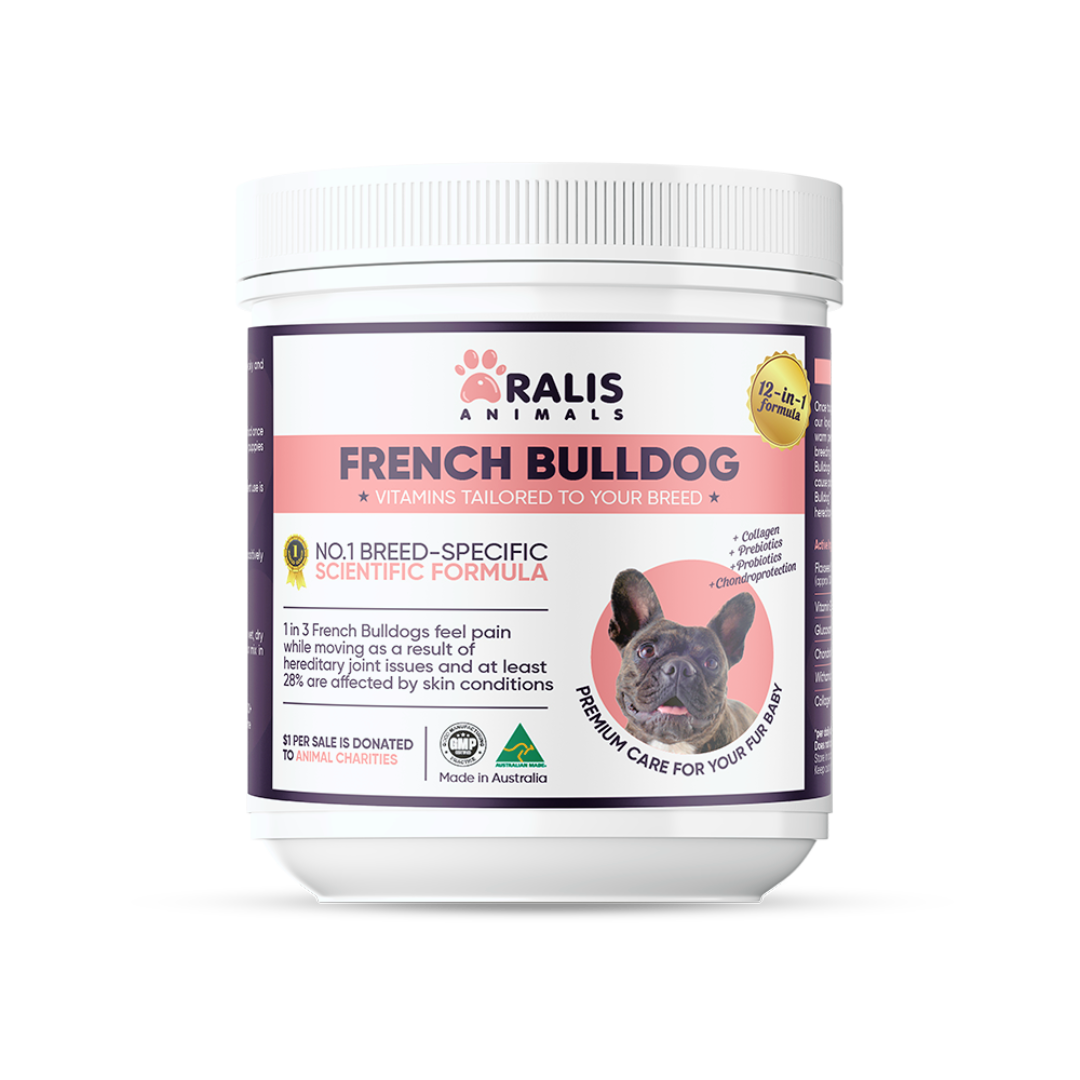
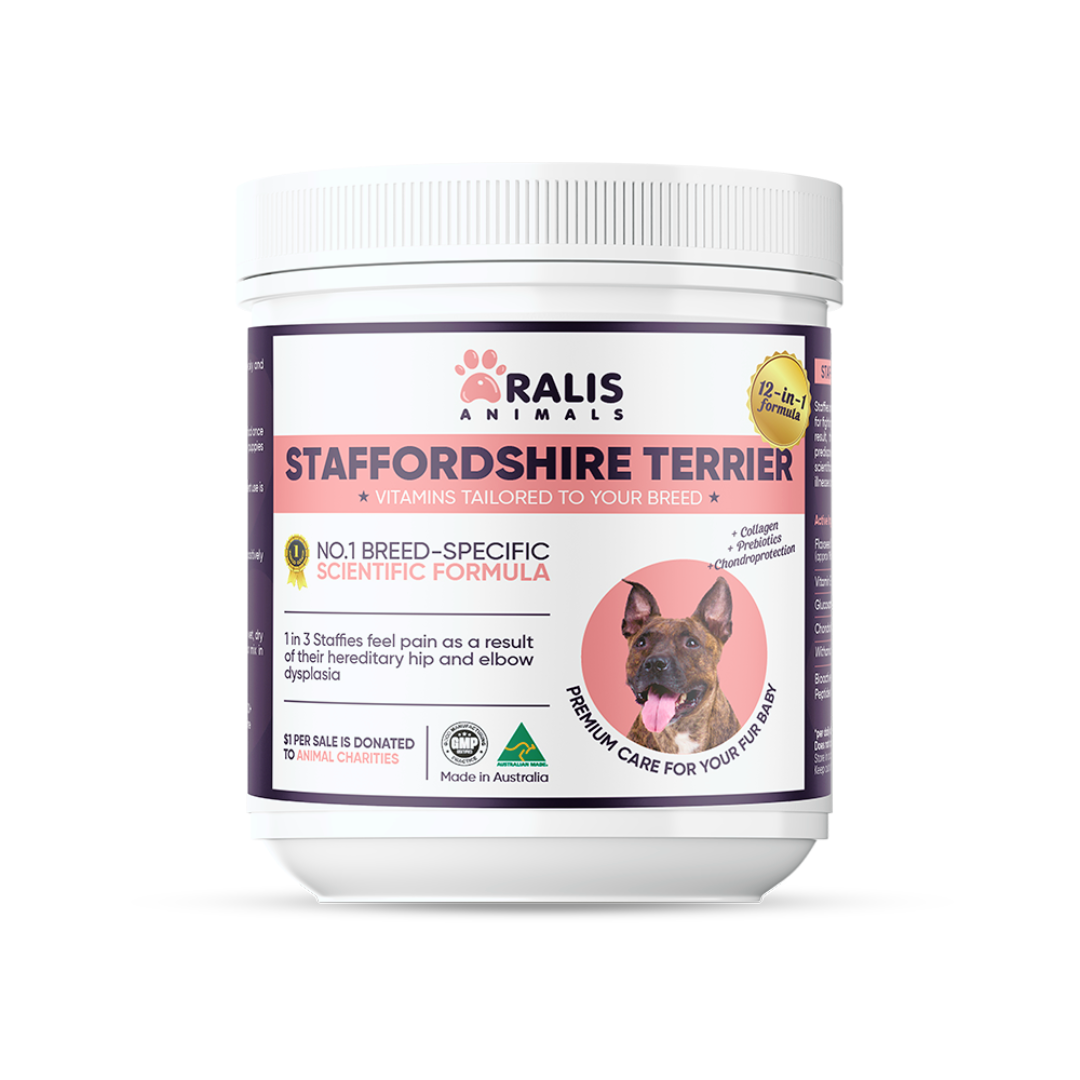
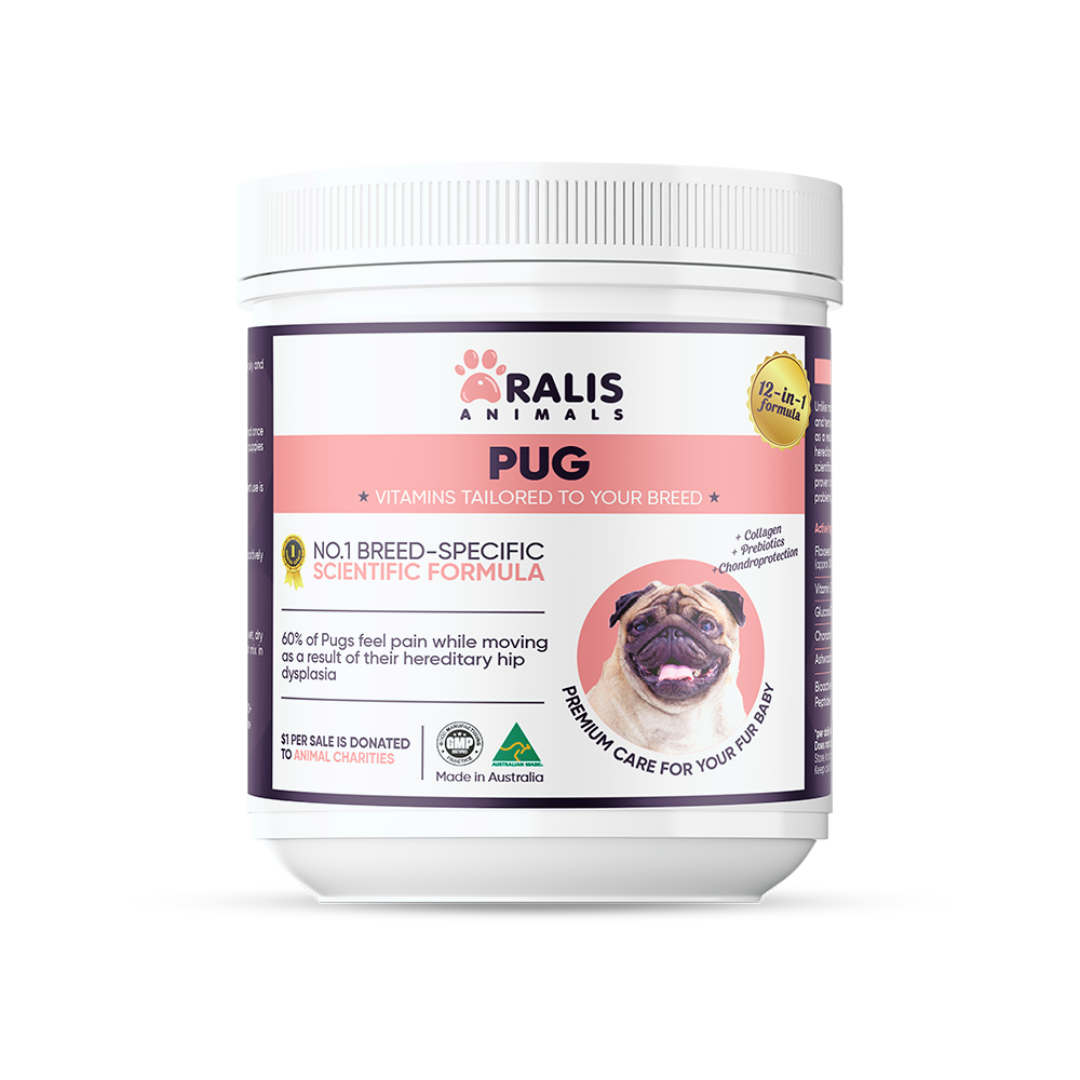
Breed-specific supplements can significantly support dogs with allergies. These tailored solutions address the unique nutritional needs of different breeds while providing anti-inflammatory support. Supplements containing omega-3 fatty acids, probiotics, and antioxidants can strengthen the skin barrier and reduce allergic responses. At Aralis Animals, we offer breed-specific supplements designed to elevate your pet's health and support their immune system during allergy challenges. Click here to explore more.
Long-Term Care for Itchy Skin
Long-term management requires consistency and patience. Regular grooming helps you monitor skin condition and remove potential allergens from your dog's coat. Hypoallergenic shampoos and conditioners can soothe irritated skin without introducing new irritants. In some cases, your veterinarian may recommend antihistamines, corticosteroids, or newer immunosuppressive medications for severe cases.
Conclusion
Identifying what's triggering your dog's skin allergies—whether it's food, grass, dust, or a combination of factors—is essential for providing effective relief. By carefully observing your dog's symptoms, working with your veterinarian, and implementing appropriate management strategies, you can significantly improve your pet's comfort and quality of life. Remember that allergy management is often a long-term commitment requiring patience and adjustments as you learn what works best for your individual dog. With proper identification and treatment, including the support of breed-specific supplements, your dog can enjoy healthy, comfortable skin once again.