


Dog Vitamins for Hips and Joints: What Every Pet Parent Should Know

As a pet parent, watching your beloved dog struggle with mobility issues can be heartbreaking. Whether your furry friend is limping after playtime, hesitating to climb stairs, or showing signs of discomfort, joint problems are more common than you might think. The good news is that with the right approach to canine joint health, you can significantly improve your dog's quality of life. Understanding dog vitamins for joints and investing in proper supplementation is one of the most effective ways to support your pet's long-term wellness.
Why Joint Health Matters for Dogs
Your dog's joints are complex structures that bear tremendous weight and stress throughout their daily activities. Unlike humans who can communicate their pain clearly, dogs often hide discomfort until the problem becomes severe. This is why proactive care through joint health for dogs is so important. Joint issues don't just affect older dogs either—puppies of large breeds, active dogs, and even younger pets can benefit from preventative joint support.
Common joint issues in pets include arthritis, hip dysplasia, and general joint deterioration. These conditions can significantly impact your dog's ability to play, exercise, and enjoy life. By understanding the importance of hip and joint supplements for dogs early on, you're taking a crucial step toward ensuring your pet remains active and pain-free for years to come.
Understanding Canine Joint Health
To appreciate why dog vitamins and supplements are so valuable, it helps to understand how joints work in dogs. A dog's joints are where two bones meet, and they're cushioned by cartilage—a smooth, protective tissue that allows for smooth movement. Surrounding the joint is synovial fluid, which acts as a lubricant, and ligaments that provide stability.
As dogs age, the cartilage naturally breaks down, and the body's ability to produce new cartilage decreases. This age-related joint deterioration is a normal part of aging, but it can be slowed down significantly with proper nutrition and supplementation. The best joint health supplement for dogs works by supporting cartilage health, reducing inflammation, and promoting the production of synovial fluid.
Breed susceptibility factors also play an important role in joint health. Large and giant breed dogs, such as German Shepherds, Labradors, and Golden Retrievers, are more prone to hip dysplasia and joint problems due to their size and growth rate. Additionally, active dogs that participate in agility training, running, or other high-impact activities may benefit from preventative joint support. Even smaller breeds can experience joint issues, making it important for all pet parents to consider supplementation.
Key Ingredients in Joint Supplements
When shopping for the best dog vitamins for joints, you'll notice that certain ingredients appear consistently across quality products. Understanding what these ingredients do will help you make informed decisions about your pet's health.
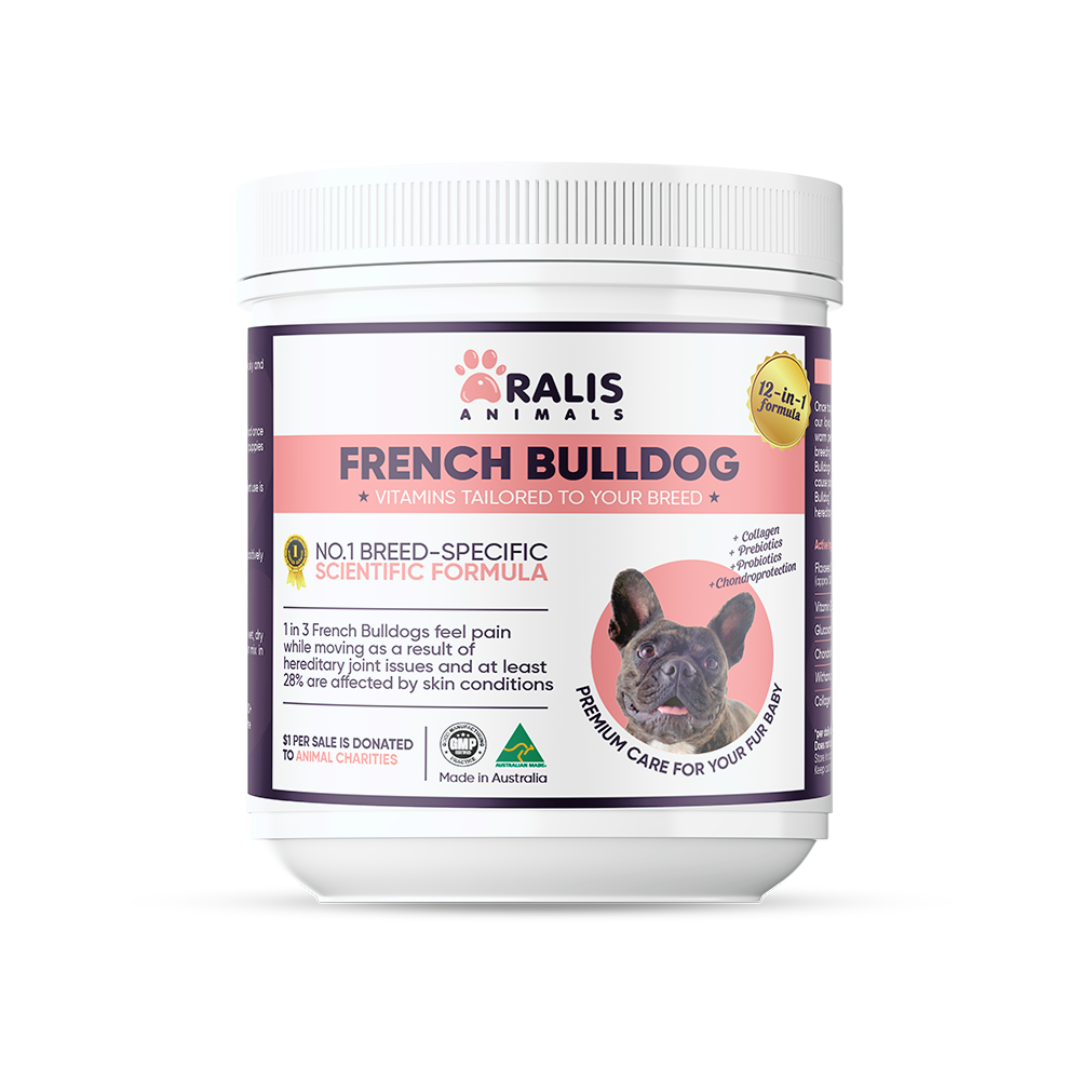
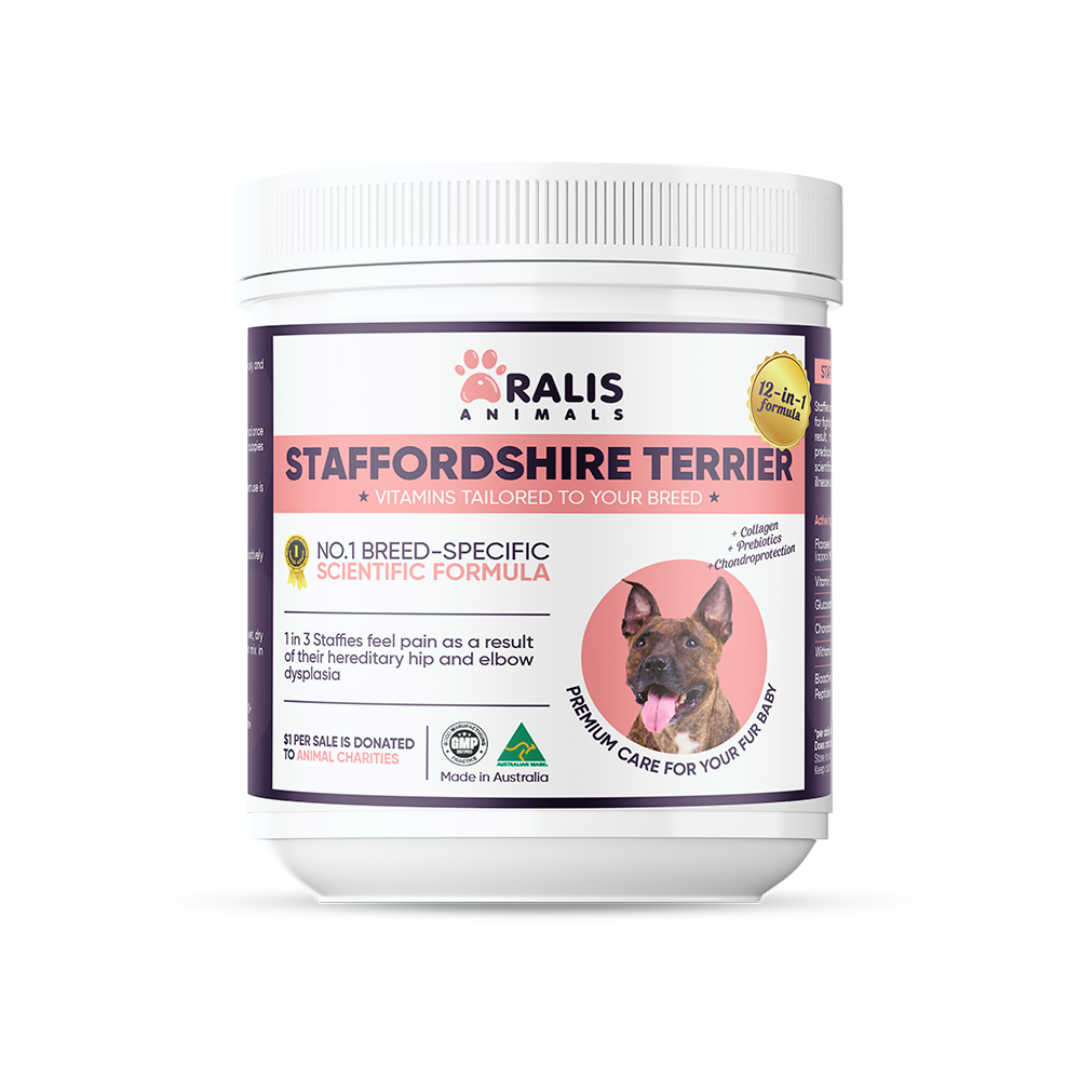
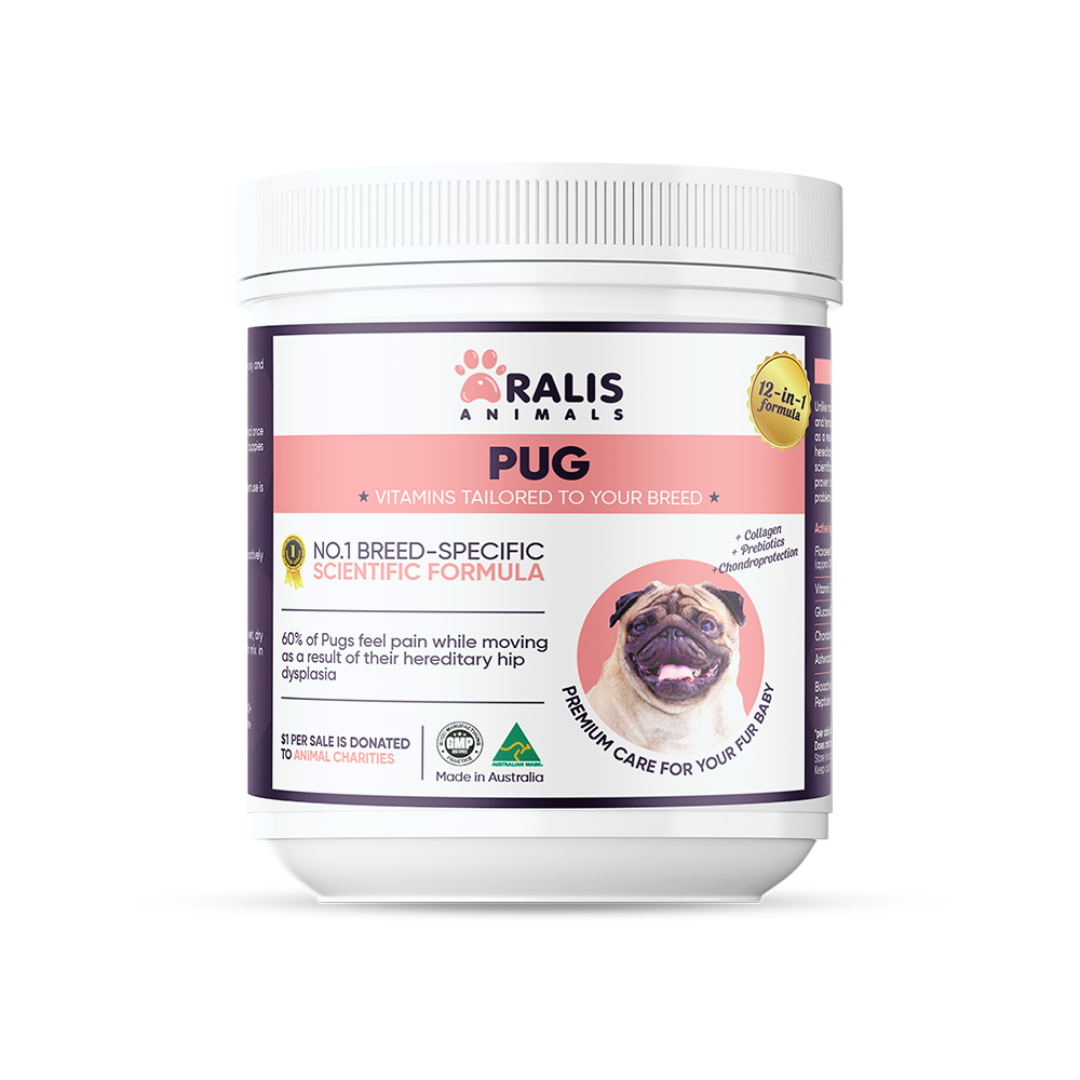
Supplements that combine Glucosamine, Chondroitin, Collagen, Hyaluronic Acid, and Turmeric can provide well-rounded support for healthy joints, cartilage, flexibility, and mobility. Check out our range of Aralis Animals Multivitamins here.
Glucosamine and chondroitin for dogs are among the most researched and proven ingredients in joint supplements. Glucosamine helps maintain cartilage structure and promotes the production of synovial fluid, while chondroitin helps prevent cartilage breakdown and supports water retention in cartilage tissue. Together, these ingredients work synergistically to support joint function and reduce discomfort.
Beyond glucosamine and chondroitin, other essential nutrients support joint health. Omega-3 fatty acids help reduce inflammation throughout the body, including in the joints. MSM (methylsulfonylmethane) provides sulfur, which is necessary for collagen and cartilage formation. Hyaluronic acid supports joint lubrication, while green-lipped mussel provides natural glucosamine, chondroitin, and omega-3s all in one ingredient.
Vitamin C and E act as antioxidants, protecting joint tissues from oxidative stress. Turmeric and boswellia are natural anti-inflammatory ingredients that have been used for centuries in traditional medicine. When you're evaluating the best supplement for dog joints, look for products that combine multiple beneficial ingredients rather than relying on just one or two components.
Best Dog Vitamins for Joints
The market offers numerous options for dog vitamins for joints, but not all supplements are created equal. The best dog vitamins for joints combine proven ingredients with high bioavailability—meaning your dog's body can actually absorb and utilize the nutrients effectively.
When choosing a canine joint supplement, look for products that have been third-party tested for quality and purity. Check for certifications from organizations that verify ingredient quality and manufacturing standards. Read customer reviews and testimonials from other pet parents who have used the product with their dogs.
Quality and effectiveness markers include the concentration of active ingredients, the form of the supplement (tablets, powders, or treats), and whether the product includes supporting nutrients. Some of the best supplements also include probiotics or digestive enzymes to enhance nutrient absorption. Price shouldn't be your only consideration—investing in a higher-quality product often means better results and potentially lower overall costs due to improved effectiveness.
Hip and Joint Supplements: A Closer Look
Hip and joint supplements for dogs deserve special attention because hip dysplasia and hip arthritis are particularly common in dogs. These conditions can be debilitating if not properly managed. A good hip and joint supplement specifically targets the unique needs of these weight-bearing joints.
The specific benefits for hips include improved mobility, reduced pain and stiffness, and slowed progression of degenerative conditions. Many pet parents notice improvements in their dog's ability to stand up after resting, climb stairs, and engage in play within a few weeks of starting supplementation.
When to start supplementation is an important question. While many people wait until their dog shows signs of joint problems, preventative supplementation is increasingly recommended, especially for large breed puppies and active dogs. Starting early can help prevent or delay the onset of joint issues. If your dog already has joint problems, it's never too late to start—many dogs show significant improvement even after years of discomfort.
Expected results timeline varies depending on the severity of the joint issue and the quality of the supplement. Most pet parents notice initial improvements within 2-4 weeks, with more significant changes becoming apparent after 8-12 weeks of consistent use. Some dogs show dramatic improvements, while others experience more gradual progress.
Choosing the Right Supplement for Your Dog
Selecting the right supplement requires considering several factors specific to your dog's needs. Consider your dog's age, size, activity level, and any existing health conditions. A young, active dog might benefit from a preventative supplement, while an older dog with existing arthritis might need a more potent formula.
Consulting your veterinarian is always recommended before starting any new supplement regimen. Your vet can assess your dog's individual needs, recommend appropriate products, and monitor your dog's progress. They can also ensure the supplement won't interact with any medications your dog is taking.
Budget-friendly options exist for pet parents watching their expenses. While premium supplements are excellent, even moderately-priced products with solid ingredient lists can provide meaningful benefits. Some pet parents find that starting with a good basic supplement and adjusting based on results is a practical approach.
Implementation and Results
Once you've chosen a supplement, proper implementation is key to success. Follow dosage guidelines carefully—more isn't always better, and the correct dose depends on your dog's weight and the product's concentration. Most supplements are given daily, either mixed with food or as standalone treats.
Monitoring improvements helps you assess whether the supplement is working for your dog. Keep track of changes in mobility, energy levels, willingness to exercise, and overall comfort. Some improvements are obvious, while others are subtle—like your dog being more willing to jump on the couch or play fetch.
Combining supplementation with lifestyle changes amplifies results. Maintain a healthy weight for your dog, provide regular low-impact exercise like swimming or walking, and ensure your dog has a comfortable place to rest. These lifestyle factors work together with supplements to support optimal joint health.
Conclusion
Supporting your dog's joint health through proper supplementation is one of the most impactful decisions you can make as a pet parent. By understanding the importance of dog vitamins for joints, choosing quality products with proven ingredients like glucosamine and chondroitin for dogs, and implementing a consistent supplementation routine, you're investing in your dog's long-term wellness and quality of life.
At Aralis Animals, we understand that every dog is unique, and their nutritional needs vary. Our breed-specific supplements are designed to elevate your pet's health with tailored solutions for your beloved companion. Explore our range of hip and joint supplements today and discover how the right supplementation can transform your dog's mobility and comfort. Your furry friend deserves to enjoy life to the fullest—let's make that happen together.