


Dog Separation Anxiety Symptoms: What to Look For and How to Help Gently

Leaving your beloved dog at home can be one of the hardest parts of pet ownership. If your furry friend experiences distress when you're away, you're not alone. Separation anxiety in dogs is a common behavioral issue that affects millions of pet owners worldwide. Understanding the signs and knowing how to help your dog manage this anxiety can make a significant difference in their quality of life and your peace of mind.
Understanding Separation Anxiety in Dogs
Separation anxiety in dogs is a condition where your pet experiences extreme stress and panic when separated from their owner or left alone. This isn't simply a case of your dog missing you—it's a genuine anxiety disorder that can manifest in destructive and concerning ways.
Dogs are naturally pack animals, and their ancestors relied on staying close to their group for survival. When a dog develops separation anxiety, their brain interprets being alone as a genuine threat, triggering a fight-or-flight response. This primal instinct can overwhelm even the most well-trained and well-adjusted dogs.
Separation anxiety in dogs is more common than many pet owners realize. Studies suggest that approximately 14% of dogs experience some form of separation anxiety, though the severity varies widely. Some dogs may show mild signs of distress, while others experience severe panic that can lead to dangerous behaviors and property damage.
Dogs develop separation anxiety for various reasons. Some are predisposed due to genetics or temperament, while others develop it after traumatic experiences, major life changes, or sudden shifts in their routine. Rescue dogs and those with uncertain backgrounds may be particularly prone to this condition, as they may have experienced abandonment or instability in their past.
Key Symptoms to Look For
Recognizing the symptoms of separation anxiety in dogs is the first step toward helping your pet. The signs can be subtle or dramatic, and they often escalate over time if left unaddressed.
Destructive Behavior
One of the most obvious indicators of dog separation anxiety is destructive behavior. Dogs with separation anxiety may engage in excessive chewing, scratching at doors and windows, or destroying furniture and household items. This isn't your dog being naughty—it's a stress response. You might come home to find cushions torn apart, drywall damaged, or door frames splintered.
A dog destroys house when left alone often focuses on exit points like doors and windows, as they're attempting to escape and reunite with their owner. The intensity of this destruction can be shocking and may result in injuries to your dog, including broken teeth, cut paws, or damaged nails.
Vocalization Issues
Dog howling when left alone is another classic sign of separation anxiety. Your dog may bark, whine, or howl persistently throughout the day or night while you're away. Neighbors may complain about the noise, and the vocalization itself can indicate your dog is in genuine distress.
Unlike normal barking, anxiety-related vocalization is often continuous and frantic. Some dogs produce a distinctive howl that sounds almost mournful, reflecting their emotional state.
Physical Anxiety Symptoms
Dogs experiencing separation anxiety often display physical signs of stress. These anxiety in dogs symptoms include excessive panting, drooling, trembling, or pacing. Your dog may have dilated pupils or appear visibly agitated when you prepare to leave.
Some dogs may refuse to eat or drink while alone, even if food is available. Others might experience digestive issues or lose weight due to stress-related appetite loss.
Behavioral Changes When Left Alone
Understanding how separation anxiety manifests in your dog's behavior when you're away is crucial for proper identification and treatment.
Panic Responses
When a dog has separation anxiety, they may experience panic responses that escalate quickly. Your dog might follow you from room to room obsessively, becoming increasingly anxious as you prepare to leave. Some dogs attempt to prevent you from leaving by blocking doorways or becoming clingy and demanding attention.
The moment you leave, panic can set in. Your dog may scratch frantically at doors, throw themselves against barriers, or attempt to escape through windows. This panic response is involuntary and indicates genuine distress, not misbehavior.
Restlessness and Pacing
Dogs with anxiety when left alone often display restlessness and repetitive pacing. They may walk in circles, pace back and forth, or move constantly without apparent purpose. This behavior reflects their inability to settle and their heightened state of alert.
Some dogs develop obsessive behaviors like tail chasing or excessive grooming when anxious. These repetitive actions serve as self-soothing mechanisms but can lead to physical injury if severe.
Escape Attempts
A dog has separation anxiety may make desperate escape attempts. They might dig at doors, jump through windows, or chew through barriers. These escape attempts can result in serious injuries, including cuts, broken bones, or worse.
Some dogs have been known to escape from secure homes and wander the neighborhood, putting themselves in danger. This is why recognizing and addressing separation anxiety early is so important.
How Separation Anxiety Affects Your Dog's Health
The impact of separation anxiety extends beyond behavioral problems. This condition can have serious consequences for your dog's physical and mental health.
Chronic stress from separation anxiety elevates cortisol levels in your dog's body, which can suppress immune function and make them more susceptible to illness. The constant anxiety can lead to digestive issues, including diarrhea, vomiting, or inflammatory bowel conditions.
Long-term impacts of untreated separation anxiety include weight loss, poor coat condition, and increased susceptibility to infections. Some dogs develop secondary behavioral problems or aggression due to their underlying anxiety.
If your dog shows signs of separation anxiety, consulting with your veterinarian is essential. Your vet can rule out medical conditions that might mimic anxiety symptoms and discuss treatment options, which may include behavioral modification, training, or supplements designed to support calm behavior.
Gentle Training and Management Strategies
Helping your dog overcome separation anxiety requires patience, consistency, and a gentle approach. Several strategies can help your dog learn to feel safe and secure when alone.
Gradual Desensitization Techniques
Desensitization involves gradually acclimating your dog to being alone for increasing periods. Start by leaving your dog alone for just a few minutes while you're still in the house. Gradually increase the duration and distance over weeks and months.
Practice leaving and returning without making a big fuss. Avoid emotional goodbyes or excited hellos, as these can reinforce anxiety. Instead, keep departures and arrivals calm and matter-of-fact.
Creating a Safe Space
Establish a designated safe space where your dog feels secure. This might be a crate, a specific room, or a comfortable corner with their bed. Make this space positive by spending time there together and providing treats and toys.
Never use the safe space as punishment. Instead, create positive associations by offering special toys or treats only available in this space.
Positive Reinforcement Approaches
Reward calm behavior consistently. When your dog remains calm during your departure preparations or while alone, provide praise and treats. This teaches them that being alone leads to positive outcomes.
Use high-value treats and toys to create positive associations with alone time. Some dogs respond well to puzzle toys or treat-dispensing toys that keep them mentally engaged.
Calming Supplements and Natural Aids
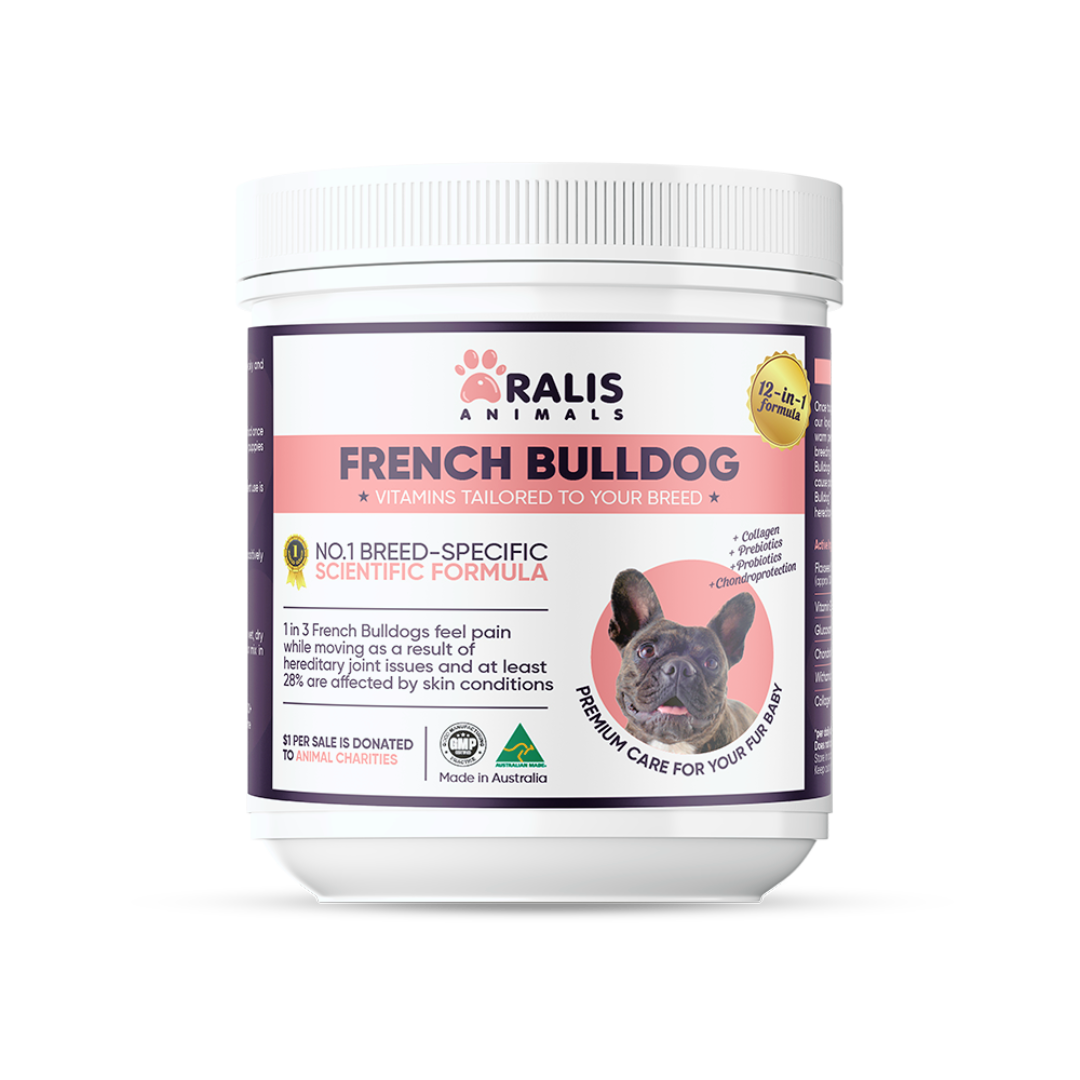
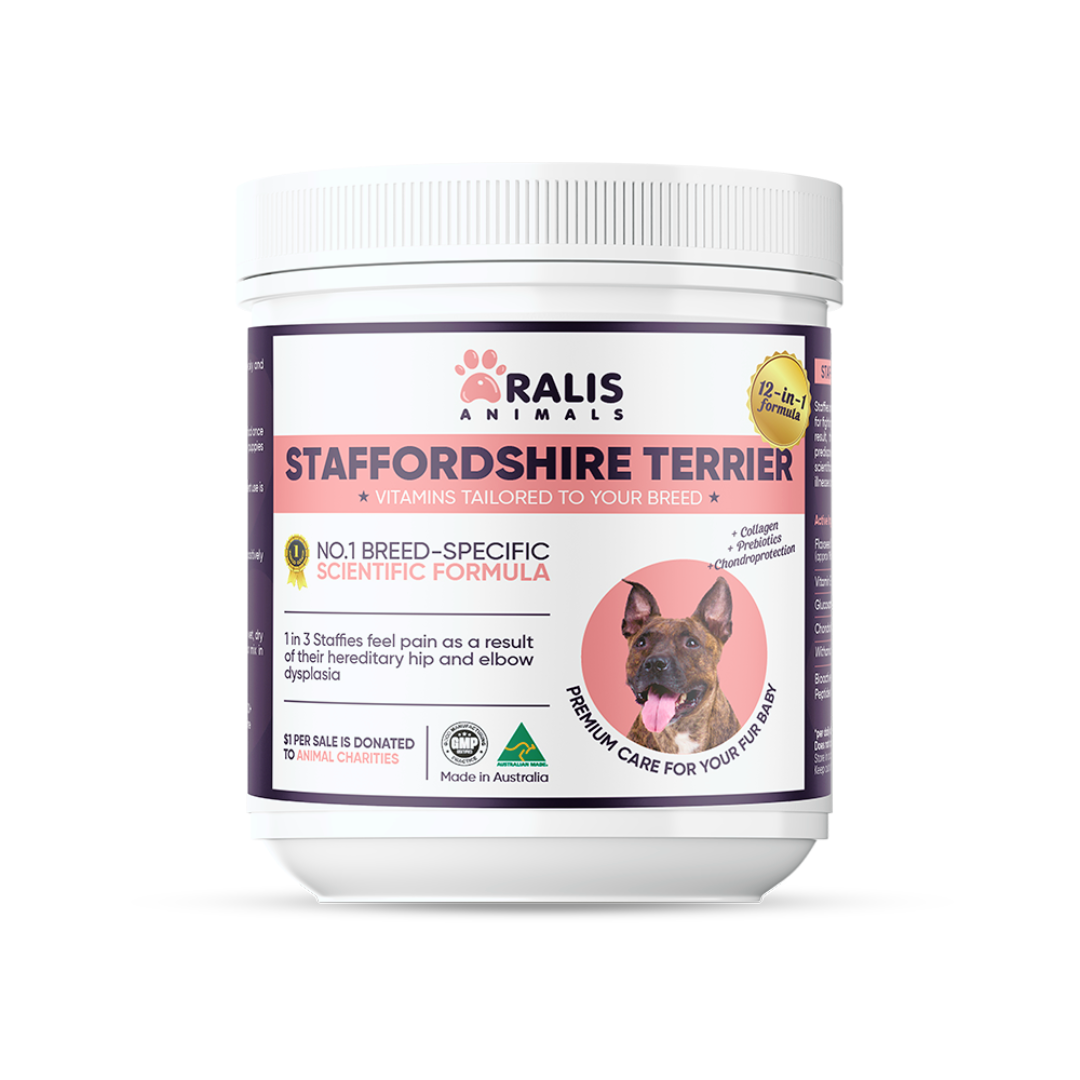
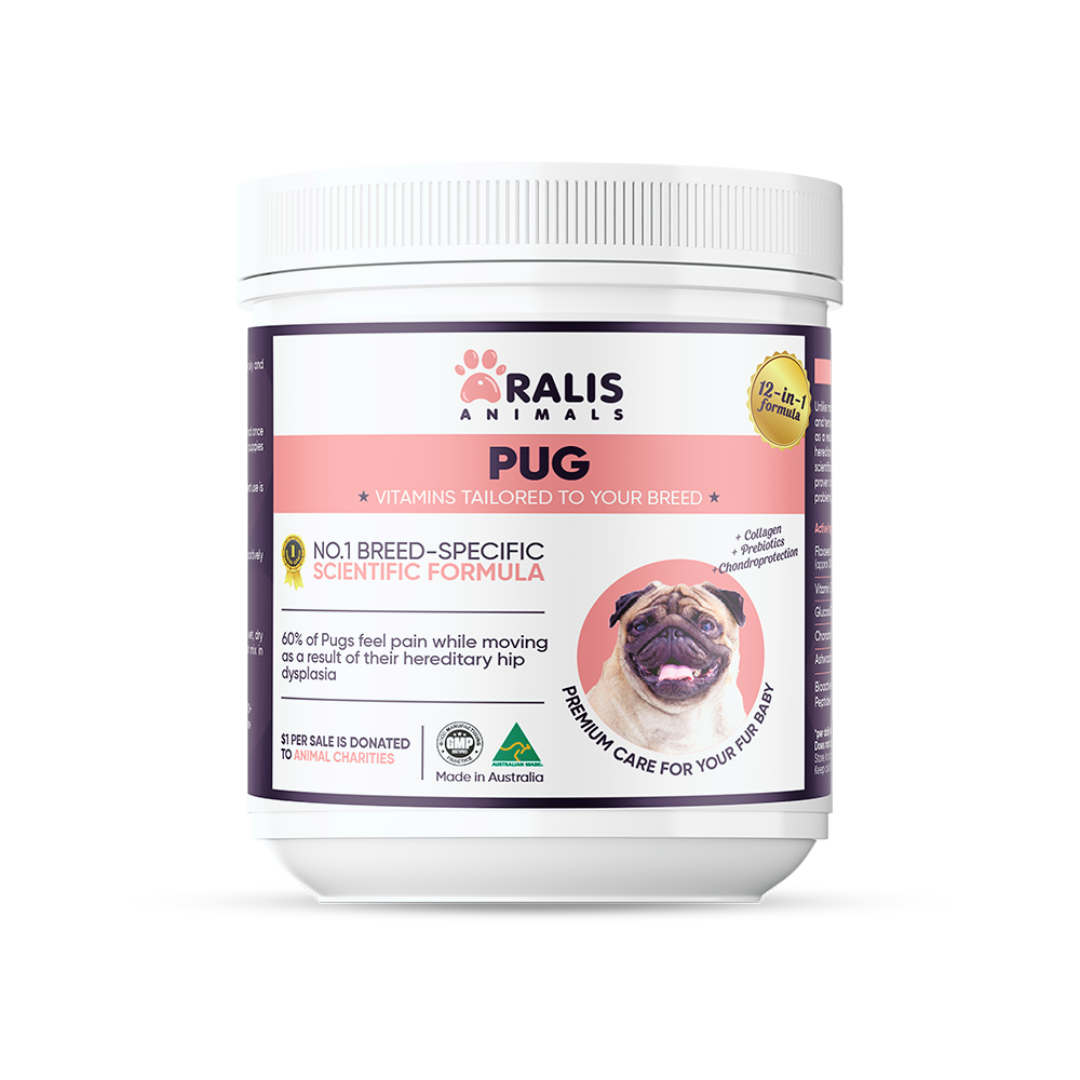
Breed-specific supplements designed to support calm behavior can be valuable tools in managing separation anxiety. Quality supplements containing ingredients like L-theanine, chamomile, or adaptogenic herbs can help reduce anxiety without sedation.
For pooches dealing with ongoing anxiety, adding targeted daily support can gently ease their stress levels over time. Formulas that combine calming ingredients like L-theanine, chamomile, and ashwagandha, alongside gut-supporting nutrients such as probiotics (Lactobacillus, Bifidobacterium) and prebiotic fibres (inulin, FOS), help regulate both mood and digestion—two areas closely linked in anxious dogs. Aralis Animals offers tailored supplement solutions specifically formulated to support your dog's emotional wellness and help them manage anxiety naturally. These breed-specific formulations are designed to complement your training efforts and provide gentle support during the desensitization process. Click here to learn more.
When to Seek Professional Help
While many cases of separation anxiety can be managed with training and supplements, some situations require professional intervention.
Consider consulting a certified professional dog trainer or veterinary behaviorist if your dog's anxiety is severe, if they're injuring themselves, or if your training efforts aren't producing results after several months. These experts can develop customized treatment plans and provide guidance tailored to your specific situation.
Your veterinarian may recommend anti-anxiety medications in severe cases, though these work best when combined with behavioral modification and training.
Conclusion
Dog separation anxiety is a real and treatable condition that deserves your attention and compassion. By recognizing the symptoms early—whether it's dog destructive when left alone, dog howling when left alone, or other anxiety in dogs symptoms—you can take steps to help your beloved companion feel safer and more secure.
Remember that overcoming separation anxiety takes time and patience. Celebrate small victories, maintain consistency in your training efforts, and don't hesitate to seek professional help when needed. With the right combination of gentle training, environmental management, and supportive supplements from Aralis Animals, your dog can learn to feel confident and calm when alone.
Your dog's emotional wellbeing matters just as much as their physical health. By addressing separation anxiety with care and dedication, you're giving your furry friend the gift of peace and security. Start your journey toward a calmer, happier dog today with Aralis Animals' breed-specific supplement solutions designed to support your dog's emotional wellness.