


Dog Seasonal Allergies Treatment: Natural Ways to Soothe Itchy Skin

As the seasons change, many dog owners notice their beloved companions scratching more frequently, licking their paws excessively, and displaying signs of discomfort. Seasonal allergies in dogs are a common concern that affects millions of pets worldwide, impacting their quality of life and overall well-being. If your furry friend is struggling with itchy skin and constant scratching during certain times of the year, you're not alone. This comprehensive guide explores natural and effective dog seasonal allergies treatment options that can help soothe your pet's irritated skin and provide lasting relief.
Understanding Dog Seasonal Allergies
Seasonal allergies in dogs occur when their immune systems react to environmental triggers that are more prevalent during specific times of the year. These allergies can develop at any age and affect dogs of all breeds, though some breeds may be more predisposed to allergic reactions than others.
Common Triggers and Environmental Factors
The most common triggers for dog seasonal allergies include pollen from trees, grasses, and weeds. When spring arrives, tree pollen becomes airborne, causing allergic reactions in susceptible dogs. Summer brings grass pollen, which is particularly problematic for dogs that spend considerable time outdoors. Fall introduces ragweed and mold spores, while winter can trigger allergies related to indoor heating and dust mites.
Beyond pollen and grass, other environmental factors contribute to seasonal allergies in dogs. Mold spores thrive in damp conditions, dust mites multiply in warm environments, and humidity levels can exacerbate skin conditions. Understanding these triggers helps pet owners implement preventative measures and manage their dog's exposure to allergens.
Recognizing Symptoms and Signs
Dog itching and scratching is the most obvious sign of seasonal allergies, but symptoms extend beyond excessive scratching. Dogs with allergies often experience red, inflamed skin, particularly around the paws, ears, face, and belly. You may notice your dog licking their paws constantly, chewing at their skin, or rubbing their face against furniture and carpets.
Additional symptoms include hair loss from excessive scratching, ear infections, watery eyes, sneezing, and a runny nose. Some dogs develop secondary skin infections due to constant scratching, which can complicate the condition and require additional treatment. If your dog exhibits any of these signs during specific seasons, seasonal allergies are likely the culprit.
Why Dogs Develop Seasonal Allergies
Dogs develop seasonal allergies when their immune systems overreact to harmless environmental substances. Genetic predisposition plays a significant role, meaning some dogs are simply more prone to allergies than others. Additionally, a compromised gut barrier and imbalanced microbiome can increase susceptibility to allergic reactions. Environmental exposure, stress levels, and overall health status also influence whether a dog develops seasonal allergies.
Natural Dog Allergy Relief Methods
Rather than immediately turning to prescription medications with potential side effects, many pet owners prefer exploring natural dog allergy relief options first. These approaches address the root causes of allergies while supporting overall health and wellness.
Dietary Adjustments and Nutritional Support
A high-quality diet forms the foundation of natural allergy management. Feeding your dog a balanced, nutrient-rich diet supports immune function and skin health. Look for dog foods with high-quality protein sources and minimal fillers or artificial ingredients. Some dogs benefit from limited ingredient diets that eliminate common allergens like chicken, beef, or grains.
Incorporating anti-inflammatory foods into your dog's diet can significantly reduce allergic reactions. Foods rich in antioxidants, such as sweet potatoes, blueberries, and carrots, support immune function. Avoiding foods with excessive omega-6 fatty acids, which can promote inflammation, is equally important.
Omega-3 Fatty Acids for Skin Health
Omega-3 fatty acids are among the most effective natural remedies for dog itchy skin treatment. These essential nutrients reduce inflammation, strengthen the skin barrier, and promote healthy coat growth. Fish oil supplements derived from salmon, sardines, or mackerel provide concentrated doses of omega-3s that can noticeably improve skin condition within weeks.
The anti-inflammatory properties of omega-3 fatty acids help reduce itching and redness associated with seasonal allergies. Additionally, these nutrients support cognitive function, joint health, and cardiovascular wellness, making them a valuable addition to any dog's supplement regimen.
Probiotics and Gut Health Benefits
The health of your dog's gut directly impacts their immune response and susceptibility to allergies. Probiotics introduce beneficial bacteria that strengthen the gut barrier and reduce intestinal permeability, often called "leaky gut." A healthy gut microbiome helps regulate immune responses and reduces overreactions to environmental allergens.
Quality probiotic supplements designed specifically for dogs can dramatically improve allergy symptoms. Look for products containing multiple beneficial bacterial strains and prebiotics that feed these beneficial organisms. Regular probiotic supplementation supports long-term allergy management and overall digestive health.
Soothing Itchy Skin at Home
Beyond supplements and dietary changes, several home remedies provide immediate relief for dog itchy skin treatment and reduce discomfort associated with seasonal allergies.
Oatmeal Baths and Natural Remedies
Oatmeal baths are a time-tested remedy for soothing irritated skin and reducing itching. Colloidal oatmeal, which is finely ground oatmeal, creates a soothing bath that calms inflammation and provides anti-itch relief. Simply grind plain oatmeal into a fine powder, mix it with warm water, and bathe your dog for 10-15 minutes. This natural treatment is safe, gentle, and can be repeated several times weekly.
Other natural topical remedies include coconut oil, which has antimicrobial and anti-inflammatory properties, and aloe vera gel, which soothes irritated skin. Apple cider vinegar diluted in water can be used as a rinse to restore skin pH balance and reduce itching. Always ensure any topical treatment is safe for your dog and doesn't cause additional irritation.
Paw Soaks and Targeted Treatments
Since dogs often experience itching on their paws, regular paw soaks provide targeted relief. Soak your dog's paws in warm water mixed with Epsom salt or chamomile tea for 5-10 minutes daily. This practice removes allergens trapped between the toes, reduces inflammation, and provides immediate comfort.
After paw soaks, gently dry the paws and apply a natural moisturizer to prevent dryness. This simple routine can significantly reduce paw licking and chewing, which are common signs of allergic discomfort.
Grooming Practices to Reduce Irritation
Regular grooming removes allergens from your dog's coat and skin. Brushing your dog several times weekly helps eliminate pollen, dust, and other environmental triggers before they irritate the skin. Bathing your dog with a gentle, hypoallergenic shampoo removes accumulated allergens and soothes the skin.
Trimming your dog's nails regularly prevents damage from excessive scratching, and keeping the hair around the paws trimmed reduces moisture accumulation that can lead to secondary infections. These grooming practices are simple yet highly effective for managing seasonal allergies.
Lifestyle Changes for Allergy Management
Managing your dog's environment and daily routine plays a crucial role in reducing allergic reactions and supporting natural itch relief for dogs.
Minimizing Grass Exposure
Since many dogs are allergic to grass, limiting exposure during high pollen seasons helps reduce symptoms. Wipe your dog's paws with a damp cloth after outdoor activities to remove pollen. Consider using dog booties during walks to create a barrier between paws and grass. Timing outdoor activities for early morning or evening when pollen counts are lower also helps minimize exposure.
Air Quality Improvements
Indoor air quality significantly impacts allergy symptoms. Use HEPA air filters in your home to remove airborne allergens, and maintain appropriate humidity levels between 40-50% to prevent mold growth. Regularly washing your dog's bedding in hot water removes accumulated allergens and provides a clean sleeping environment.
Regular Bathing Schedules
Establishing a consistent bathing schedule helps manage seasonal allergies. Bathing your dog once or twice weekly during allergy season removes allergens from the skin and coat. Use lukewarm water and gentle, hypoallergenic shampoos that won't strip natural oils from the skin.
When to Seek Professional Help
While natural remedies are effective for many dogs, some situations require veterinary intervention. If your dog's symptoms worsen despite natural treatment efforts, or if secondary skin infections develop, consult your veterinarian. Signs that professional help is needed include severe hair loss, open sores, signs of infection, or symptoms that persist year-round.
Your veterinarian can perform allergy testing to identify specific triggers and recommend prescription treatments if necessary. However, many vets now support integrating natural remedies with conventional treatments for optimal results.
Aralis Animals Solutions
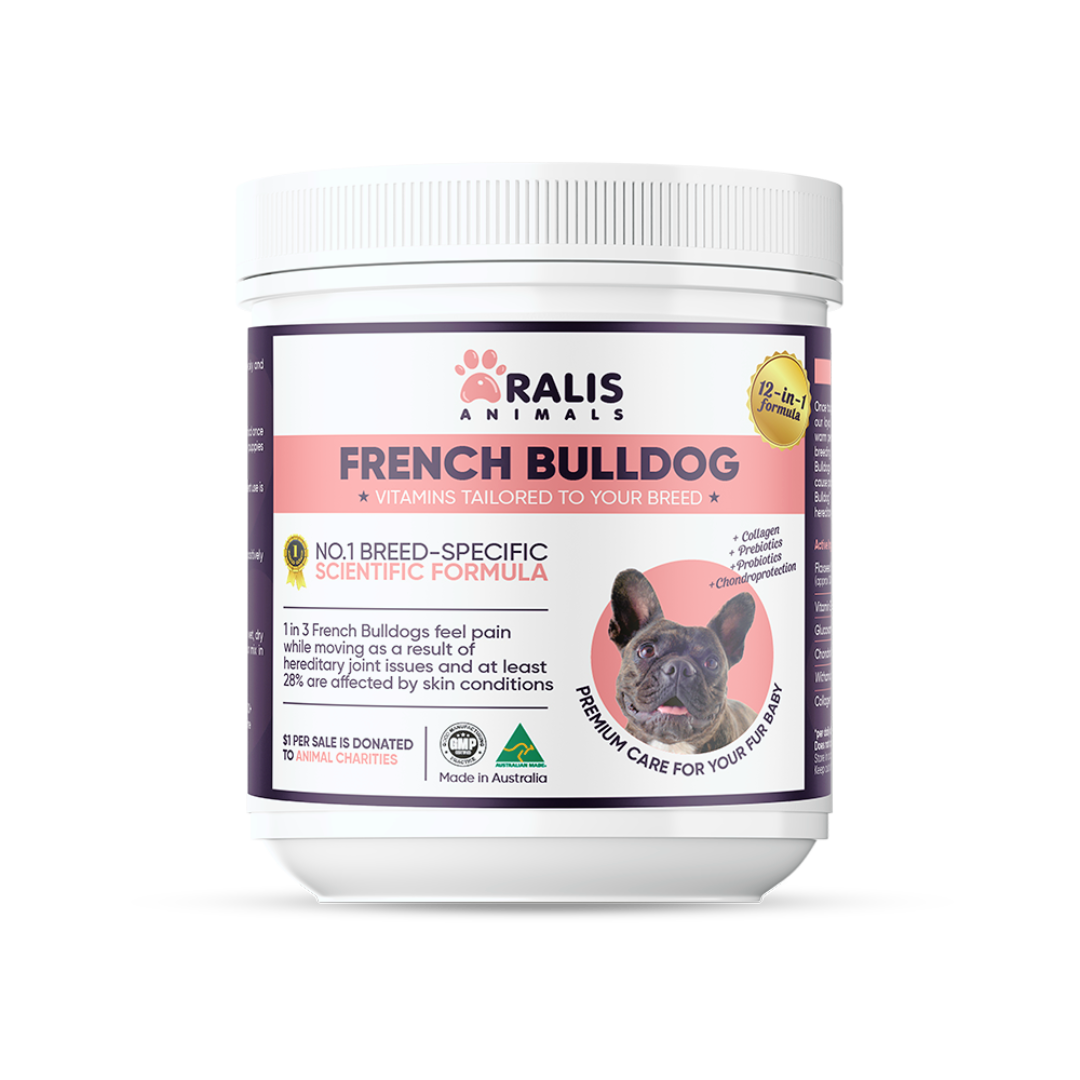
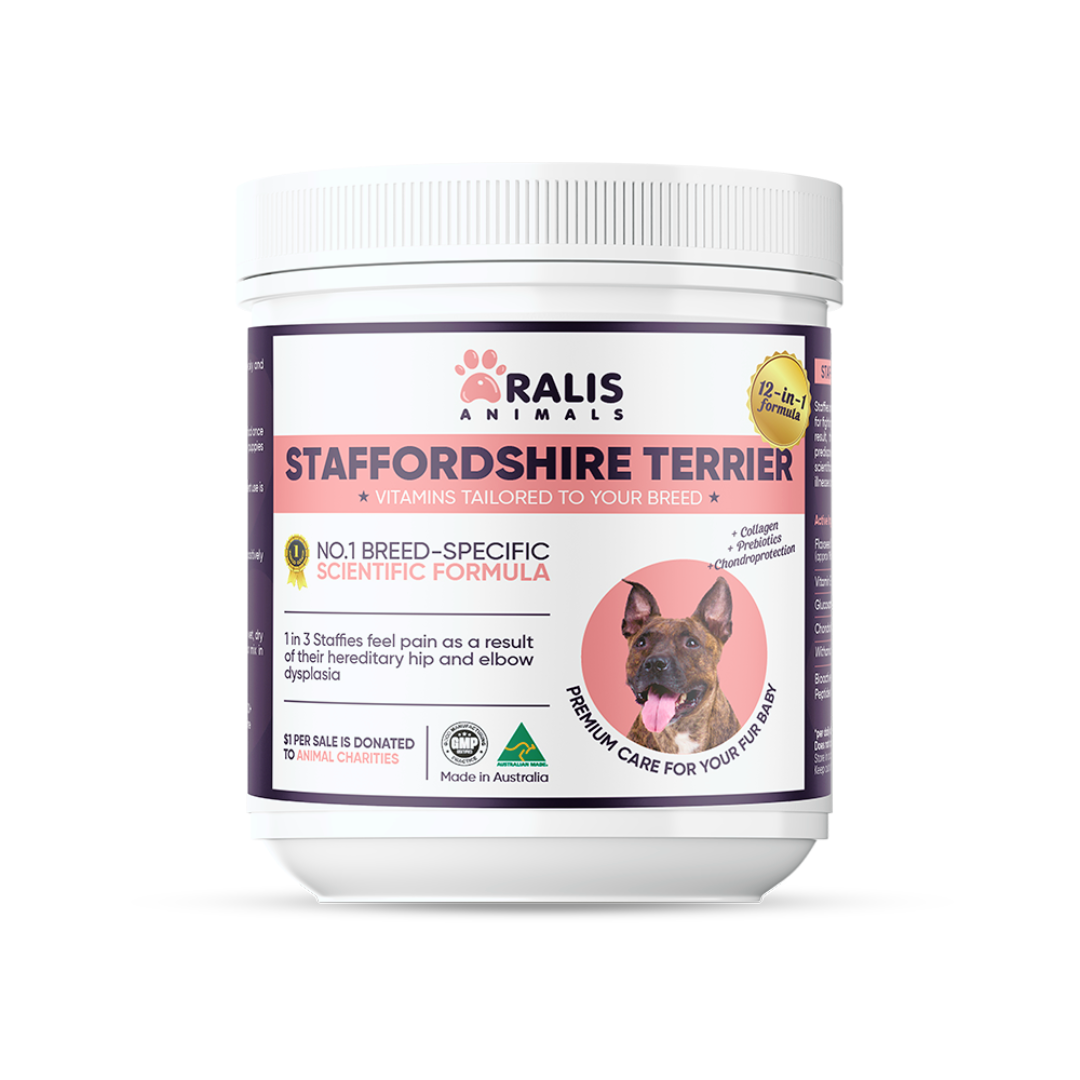
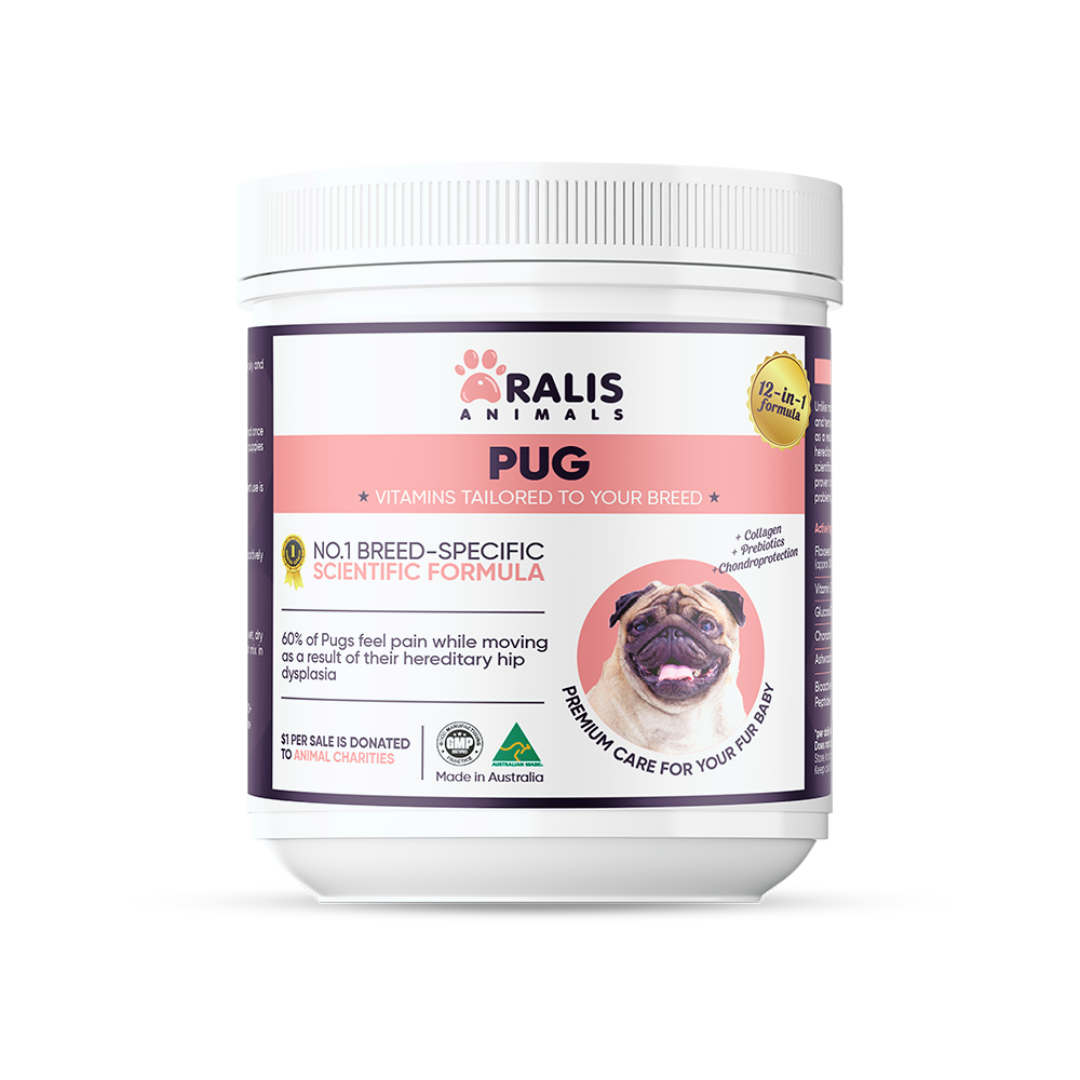
At Aralis Animals, we understand that every dog is unique, and their nutritional needs vary based on breed, age, and health status. Our breed-specific supplements are formulated to support natural allergy relief and promote overall skin health. Our carefully selected ingredients, including omega-3 fatty acids, probiotics, and antioxidants, work synergistically to reduce allergic reactions and soothe itchy skin.
Our supplements complement the natural treatment approaches outlined in this guide, providing comprehensive support for dogs struggling with seasonal allergies. By choosing Aralis Animals products, you're investing in your dog's long-term health and quality of life. Discover natural daily support for itchy pooches here.
Conclusion
Dog seasonal allergies treatment doesn't always require prescription medications or invasive procedures. By implementing natural approaches including dietary adjustments, omega-3 supplementation, probiotics, home remedies, and lifestyle modifications, you can significantly reduce your dog's allergic symptoms and improve their comfort.
Natural itch relief for dogs works best when approached holistically, addressing both immediate symptoms and underlying causes. Consistency is key—maintaining regular grooming, bathing schedules, and supplement routines yields the best results. With patience and dedication to these natural treatment methods, your beloved companion can enjoy comfortable, itch-free seasons ahead. Remember that every dog responds differently to treatments, so finding the right combination of approaches for your individual pet may require some experimentation and professional guidance.