


Dog Keeps Licking Their Paws at Night? Here's What Might Be Going On

If you've noticed your furry friend constantly licking their paws, especially during nighttime hours, you're not alone. Many dog owners face this frustrating behavior, and it's often a sign that something needs attention. Whether it's a minor irritation or a more serious health concern, understanding the root cause is essential for your pet's wellbeing. In this comprehensive guide, we'll explore the various reasons why your dog might be engaging in excessive paw licking and what you can do about it.
Understanding Excessive Paw Licking in Dogs
Paw licking is a natural behavior for dogs, but when it becomes excessive or occurs primarily at night, it warrants investigation. Dogs lick their paws for grooming purposes, but when a dog keeps licking his paws obsessively, it often indicates an underlying issue that needs to be addressed. The nighttime pattern is particularly interesting because it may suggest that your dog is experiencing discomfort that becomes more noticeable when they're winding down for the day.
Excessive paw licking can lead to serious complications if left untreated. When a dog is constantly licking paws, they risk developing secondary infections, hair loss, and open wounds. Understanding what triggers this behavior is the first step toward helping your beloved companion feel better.
Common Physical Causes of Excessive Paw Licking
Skin Allergies and Irritation
One of the most common reasons for dog licking paws excessively is skin allergies. Dogs can develop allergies to various substances, including food ingredients, environmental factors, and contact allergens. When a dog has itchy paws, they naturally resort to licking as a way to relieve the discomfort.
Allergies in dogs can manifest in different ways, but paw licking is one of the most visible signs. The skin between the toes and on the paw pads is particularly sensitive, making it a prime target for allergic reactions. If your dog's paws appear red, inflamed, or have a yeasty odor, allergies might be the culprit.
Parasites and Fleas
Even if you don't see visible signs of fleas, parasites can cause intense itching that leads to dog obsessive paw licking. Fleas are notorious for causing discomfort, and some dogs are more sensitive to flea bites than others. A single flea bite can trigger an allergic reaction in susceptible dogs, leading to excessive scratching and licking.
Regular flea prevention is crucial, but it's also important to note that dog itching but no fleas visible doesn't mean parasites aren't present. Mites and other parasites can also cause similar symptoms and may require specific treatment.
Infections: Bacterial and Fungal
When a dog keeps licking his paws excessively, the constant moisture can create an ideal environment for bacterial and fungal infections. Yeast infections are particularly common in dogs, especially between the toes where moisture accumulates. These infections can be incredibly itchy and uncomfortable, perpetuating the licking cycle.
Bacterial infections can develop as a secondary issue when a dog is constantly licking paws and breaking the skin barrier. These infections require veterinary treatment to prevent them from spreading or worsening.
Dry Skin and Environmental Factors
Environmental conditions play a significant role in paw health. During winter months or in dry climates, dogs often experience dry, cracked paw pads. This dryness can be uncomfortable and lead to increased licking. Additionally, exposure to irritants like salt, chemicals, or rough surfaces can cause paw irritation.
Pain and Injury
Sometimes, dog chewing paws or dog biting paws is a response to pain rather than itching. Injuries, arthritis, or other painful conditions can cause dogs to focus their attention on their paws. If your dog is limping or showing signs of discomfort, pain might be the underlying cause.
Behavioral and Psychological Factors
Anxiety and Stress
Dogs experience anxiety just like humans do, and excessive paw licking can be a self-soothing behavior. Nighttime paw licking might be more pronounced if your dog experiences separation anxiety or stress during evening hours. Changes in routine, new environments, or household tension can trigger this behavior.
Boredom and Lack of Exercise
A dog that isn't getting enough physical and mental stimulation may develop compulsive behaviors, including excessive paw licking. Boredom can lead to obsessive behaviors as dogs seek ways to occupy themselves. Ensuring your dog gets adequate exercise and enrichment activities is essential for preventing this issue.
Obsessive-Compulsive Behaviors
Some dogs develop obsessive-compulsive disorder, which can manifest as repetitive paw licking. This condition requires professional intervention and may involve behavioral modification techniques or medication.
Attention-Seeking Habits
If your dog has learned that paw licking gets your attention, they may continue the behavior even if the original cause has resolved. Positive reinforcement of other behaviors can help redirect this attention-seeking tendency.
Red Flags: When to Seek Veterinary Care
Knowing when to worry is crucial for your dog's health. If you notice signs of infection such as swelling, discharge, or a foul odor, contact your veterinarian immediately. Persistent licking despite treatment attempts, significant hair loss, or open wounds also warrant professional evaluation.
Changes in your dog's overall behavior, appetite, or energy levels should also prompt a veterinary visit. These signs might indicate a more serious underlying condition that requires medical attention.
Diagnosis and Treatment Options
The Importance of Veterinary Examination
A thorough veterinary examination is essential for determining the cause of excessive paw licking. Your veterinarian can perform skin scrapings, fungal cultures, and other diagnostic tests to identify the underlying issue. They can also rule out serious conditions and recommend appropriate treatment.
Allergy Testing and Management
If allergies are suspected, your veterinarian might recommend allergy testing to identify specific triggers. Once identified, you can work to eliminate or minimize exposure to these allergens. Dietary changes, environmental modifications, or immunotherapy might be recommended.
Treatment Options
Treatment depends on the underlying cause. Topical treatments like medicated shampoos, creams, or sprays can help with skin conditions. Oral medications, including antibiotics for infections or antihistamines for allergies, may be prescribed. In some cases, supplements and dietary adjustments can provide significant relief.
Prevention Tips for Healthy Paws
Regular Grooming and Paw Care
Establish a regular grooming routine that includes paw inspections and cleaning. Trim the hair between the toes to improve air circulation and reduce moisture accumulation. Regular nail trims prevent discomfort and potential injuries.
Environmental Management
Keep your dog's living environment clean and dry. Wash bedding regularly and ensure your dog has a comfortable, clean space to rest. After outdoor activities, wipe your dog's paws to remove potential irritants.
Nutrition and Diet
A high-quality diet rich in omega-3 and omega-6 fatty acids supports skin and coat health. Proper nutrition can strengthen the skin barrier and reduce susceptibility to allergies and infections.
Exercise and Mental Stimulation
Ensure your dog gets adequate physical exercise and mental enrichment. Regular walks, playtime, and interactive toys can prevent boredom-related behaviors and reduce stress and anxiety.
How Breed-Specific Supplements Can Help
Supporting Skin and Coat Health
Targeted nutrition plays a vital role in maintaining healthy skin and preventing excessive paw licking. Breed-specific supplements are formulated to address the unique nutritional needs of different dog breeds, supporting overall health and wellness.
Aralis Animals Tailored Solutions
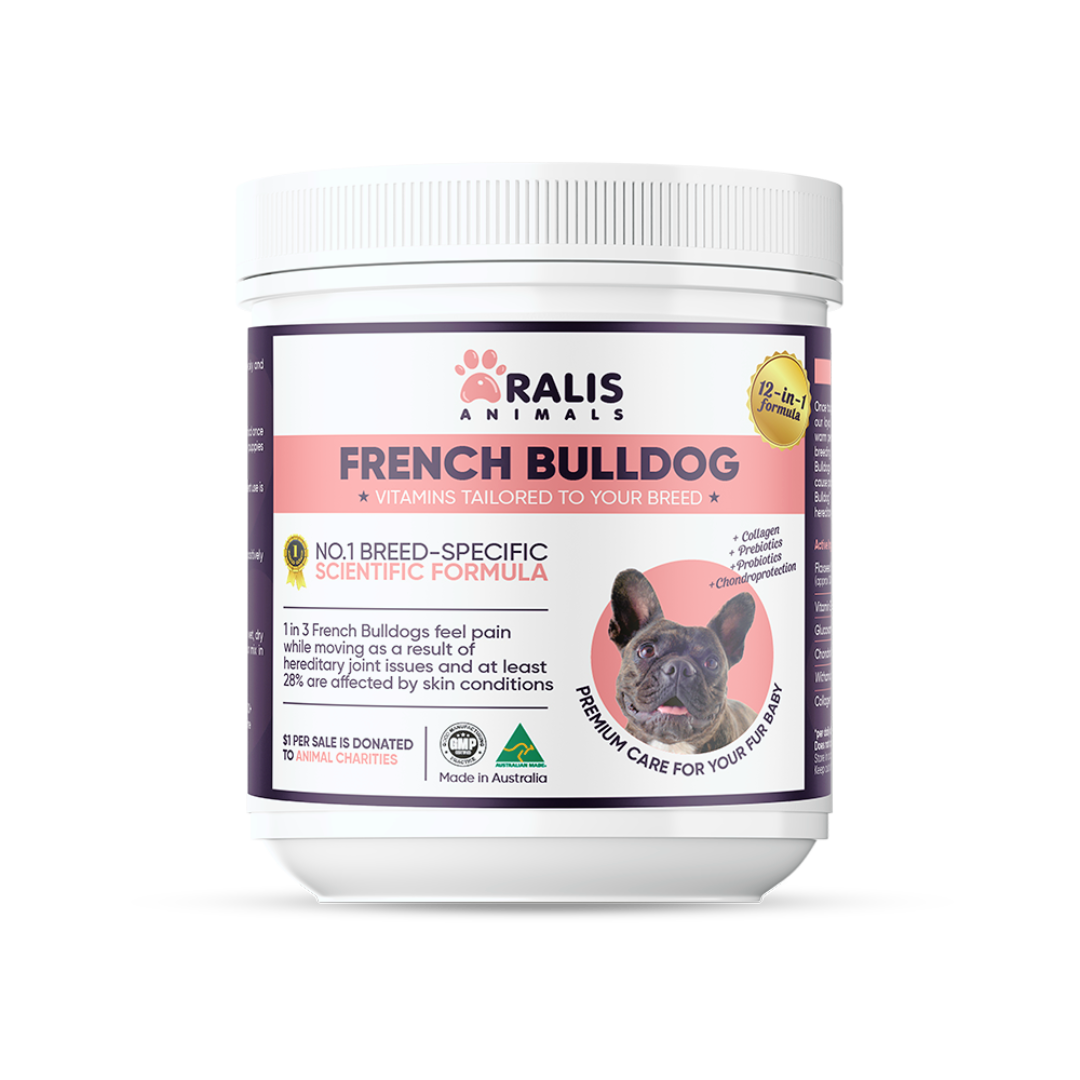
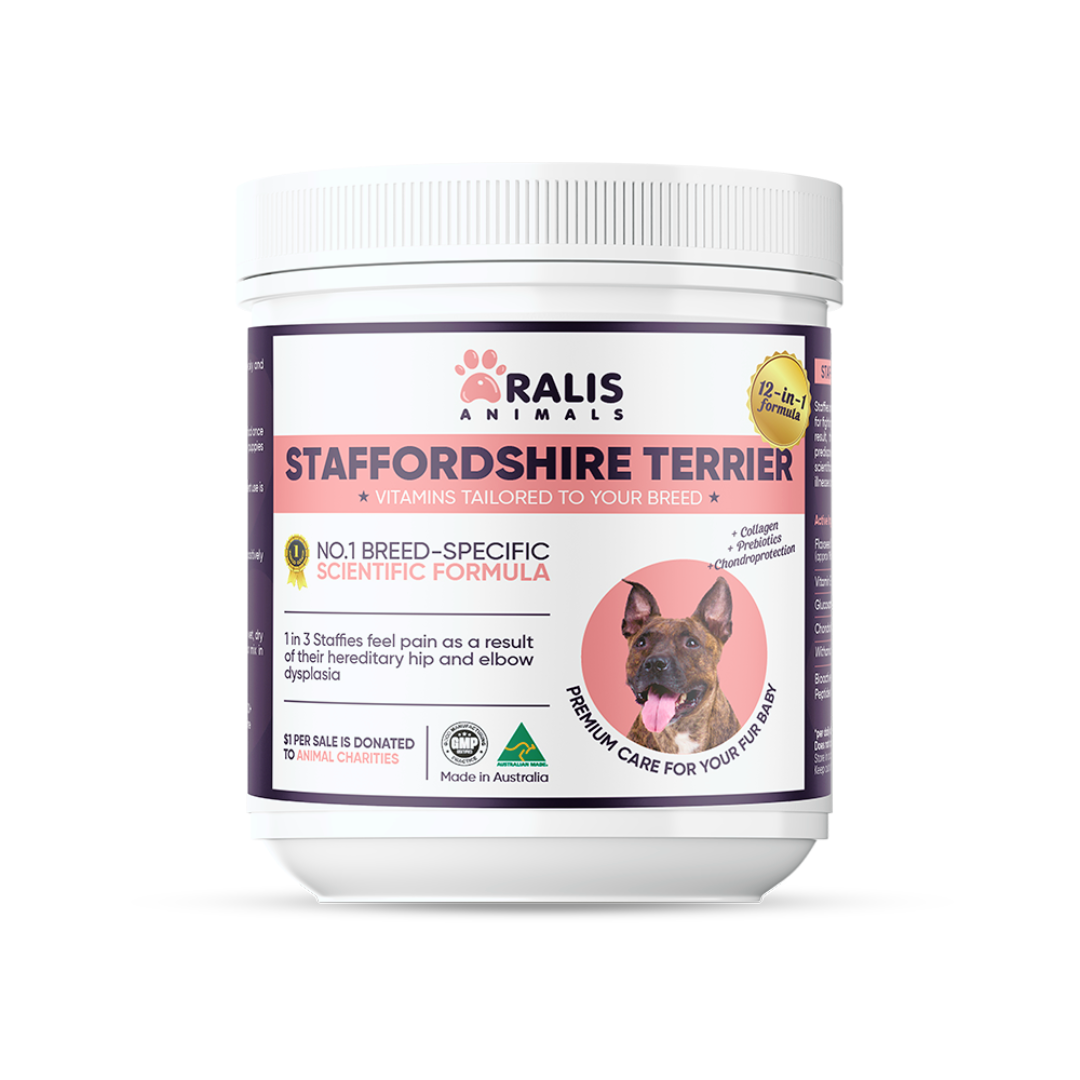
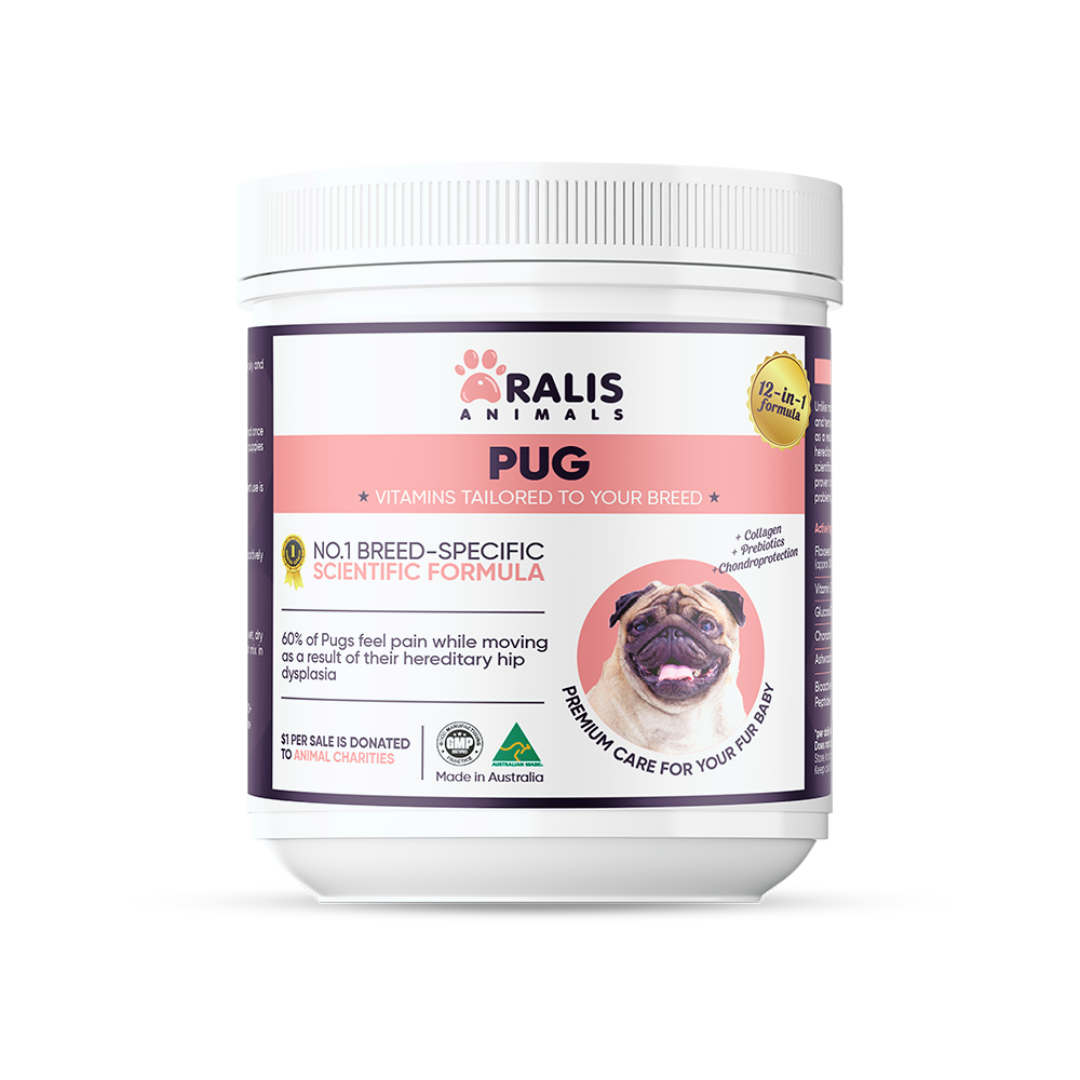
Aralis Animals understands that every dog is unique, and their breed-specific supplements are designed to elevate your pet's health. These tailored solutions provide the essential nutrients your dog needs to maintain healthy skin, a strong coat, and overall wellbeing. By addressing nutritional gaps, these supplements can help reduce the underlying causes of excessive paw licking.
Whether your dog is struggling with allergies, dry skin, or general skin health, Aralis Animals' products are formulated to support your beloved companion's specific needs.
If you’re looking for a gentle way to support your pooch from within, targeted nutrition can make a real difference especially for ongoing licking linked to allergies or stress. Formulas that combine probiotics and prebiotics help rebalance gut health, while omega fatty acids support the skin barrier and reduce inflammation. Added calming ingredients like ashwagandha can also help ease stress-related licking behaviours. You can click here to explore more about our breed-specific support and see what might suit your pooch best.
Conclusion
Excessive paw licking in dogs is a common issue with multiple potential causes, ranging from allergies and infections to behavioral and psychological factors. Understanding what might be causing your dog's nighttime paw licking is the first step toward finding a solution. While some cases resolve with simple lifestyle adjustments, others require professional veterinary intervention.
Don't ignore persistent paw licking, as it can lead to serious complications if left untreated. Consult with your veterinarian to identify the underlying cause and develop an appropriate treatment plan. In conjunction with professional care, supporting your dog's health through proper nutrition, exercise, and environmental management can make a significant difference.
Consider exploring breed-specific supplements from Aralis Animals to support your dog's skin health and overall wellbeing. With the right approach and professional guidance, you can help your furry friend overcome excessive paw licking and enjoy a healthier, more comfortable life.