


Dog Hip Dysplasia Treatment: How Nutritional Support Can Ease Inflammation

Hip dysplasia is one of the most common orthopedic conditions affecting dogs today, impacting their mobility, comfort, and overall quality of life. If you've noticed your beloved companion limping, struggling to rise from a resting position, or showing signs of back leg pain, you're not alone. Thousands of dog owners face this challenging condition every year. While hip dysplasia can't be cured, the good news is that proper management—particularly through nutritional support—can significantly ease inflammation and help your dog live a more comfortable, active life. At Aralis Animals, we understand the struggles pet parents face when their dogs experience hip problems, which is why we've developed breed-specific supplements designed to target joint health and reduce the discomfort associated with hip dysplasia.
Understanding Dog Hip Dysplasia
Hip dysplasia is a genetic condition where the hip joint doesn't develop properly, resulting in a loose fit between the femoral head and the hip socket. This abnormal joint structure leads to wear and tear on the cartilage, bone, and surrounding tissues. Over time, this deterioration causes pain, inflammation, and reduced mobility in affected dogs.
What Causes Hip Dysplasia in Dogs
Hip dysplasia is primarily inherited, meaning dogs born with a genetic predisposition are more likely to develop the condition. However, environmental factors also play a significant role. Rapid growth in large breed puppies, excessive exercise during the growth phase, poor nutrition, and obesity can all contribute to the development or progression of hip dysplasia. Some breeds are genetically predisposed to this condition, including German Shepherds, Labrador Retrievers, Golden Retrievers, and other large to giant breeds.
Common Symptoms of Hip Dysplasia
The symptoms of hip dysplasia can vary depending on the severity of the condition and the individual dog. Common signs include dog limping, particularly in the back legs, difficulty rising from rest, reluctance to jump or climb stairs, and a bunny-hopping gait. You might notice your dog limping back leg more noticeably after exercise or first thing in the morning. Lameness in dogs with hip dysplasia can range from mild to severe, and some dogs may show no symptoms until later in life when arthritis develops.
Breeds at Higher Risk
While any dog can develop hip dysplasia, certain breeds have a higher genetic predisposition. Large and giant breeds are most commonly affected, including German Shepherds, Labrador Retrievers, Golden Retrievers, Rottweilers, Saint Bernards, and Great Danes. However, smaller breeds like Bulldogs and Pugs can also develop this condition. If you own a breed with a higher risk, proactive nutritional support and preventive care become even more important.
How Inflammation Affects Hip Health
Inflammation is at the heart of hip dysplasia pain and progression. When the hip joint doesn't fit properly, the body responds by triggering an inflammatory response to protect the damaged tissue. While inflammation is initially a protective mechanism, chronic inflammation in the hip joint accelerates cartilage breakdown and bone deterioration.
The Inflammation Cycle
The inflammation cycle in hip dysplasia is a vicious loop. The abnormal joint structure causes friction and wear, triggering inflammation. This inflammation produces enzymes that further break down cartilage, which then causes more pain and inflammation. As the cartilage deteriorates, the bone underneath becomes exposed and damaged, leading to arthritis. This progressive cycle means that without intervention, hip dysplasia typically worsens over time.
Connection Between Joint Deterioration and Pain
The pain your dog experiences isn't just from the initial joint misalignment—it's primarily from the inflammatory response and subsequent cartilage and bone damage. As the joint deteriorates, nerve endings become irritated, and the surrounding muscles tighten in response to pain, creating additional discomfort and limiting mobility. This is why managing inflammation is crucial for pain relief and maintaining your dog's quality of life.
Why Traditional Treatments May Be Incomplete
While veterinary care is essential, traditional treatments like pain medications and anti-inflammatory drugs often address only the symptoms rather than the underlying cause. These medications can provide relief but don't address the nutritional needs of the joint tissue itself. This is where comprehensive nutritional support becomes invaluable, working alongside traditional treatments to support joint health from within.
Nutritional Support for Hip Dysplasia
Proper nutrition is fundamental to managing hip dysplasia and reducing inflammation. Specific nutrients can support cartilage health, reduce inflammatory markers, and promote overall joint function.
Key Nutrients for Joint Health
Several nutrients are particularly important for dogs with hip dysplasia. Glucosamine is an amino sugar that helps maintain cartilage structure and promotes cartilage repair. Chondroitin sulfate works alongside glucosamine to retain water in cartilage, maintaining its shock-absorbing properties. Omega-3 fatty acids have powerful anti-inflammatory properties that help reduce joint inflammation. Antioxidants like vitamins C and E help protect joint tissue from oxidative stress. Collagen and hyaluronic acid support joint structure and lubrication. Together, these nutrients create a comprehensive approach to joint health.
Glucosamine and Chondroitin Benefits
Glucosamine and chondroitin are among the most researched and proven supplements for joint health in dogs. Glucosamine helps rebuild damaged cartilage and reduces the breakdown of existing cartilage. Chondroitin attracts water into the cartilage matrix, maintaining its elasticity and shock-absorbing capacity. When combined, these two compounds work synergistically to slow cartilage deterioration and reduce pain. Many dog owners report noticeable improvements in their dog's mobility and comfort within 4-6 weeks of consistent supplementation.
Anti-inflammatory Properties of Targeted Supplements
Beyond glucosamine and chondroitin, other supplements offer powerful anti-inflammatory benefits. Omega-3 fatty acids from fish oil reduce inflammatory cytokines in the body. Turmeric and curcumin have been shown to reduce inflammation comparable to some pharmaceutical anti-inflammatory drugs. Green-lipped mussel contains natural glucosamine, chondroitin, and omega-3s all in one source. MSM (methylsulfonylmethane) supports collagen formation and has anti-inflammatory properties. These supplements work together to address inflammation from multiple angles.
Best Joint Supplements for Dogs
With so many options available, choosing the right hip and joint supplements for dogs can be overwhelming. Understanding the different types and how they work can help you make an informed decision.
Types of Hip and Joint Supplements
Joint supplements come in various forms: tablets, capsules, powders, chews, and liquids. Some are single-ingredient supplements, while others are comprehensive formulas combining multiple beneficial ingredients. The best joint supplements for dogs typically include a combination of glucosamine, chondroitin, and omega-3s, often enhanced with additional anti-inflammatory ingredients. Breed-specific formulations take into account the unique nutritional needs of different dog sizes and types.
How They Work to Ease Inflammation
Joint supplements work through multiple mechanisms. They provide the building blocks necessary for cartilage repair and maintenance. They reduce inflammatory markers in the body. They improve joint lubrication and mobility. They protect joint tissue from further oxidative damage. The cumulative effect is reduced inflammation, less pain, improved mobility, and slowed progression of joint deterioration.
Choosing the Right Supplement for Your Dog
When selecting a supplement, consider your dog's size, age, and the severity of their hip dysplasia. Look for products with high-quality, bioavailable ingredients. Check for third-party testing to ensure purity and potency. Consider your dog's preferences—some dogs prefer chewable supplements while others do better with powders mixed into food. Consulting with your veterinarian can help ensure the supplement complements any existing treatments.
Aralis Animals Solutions
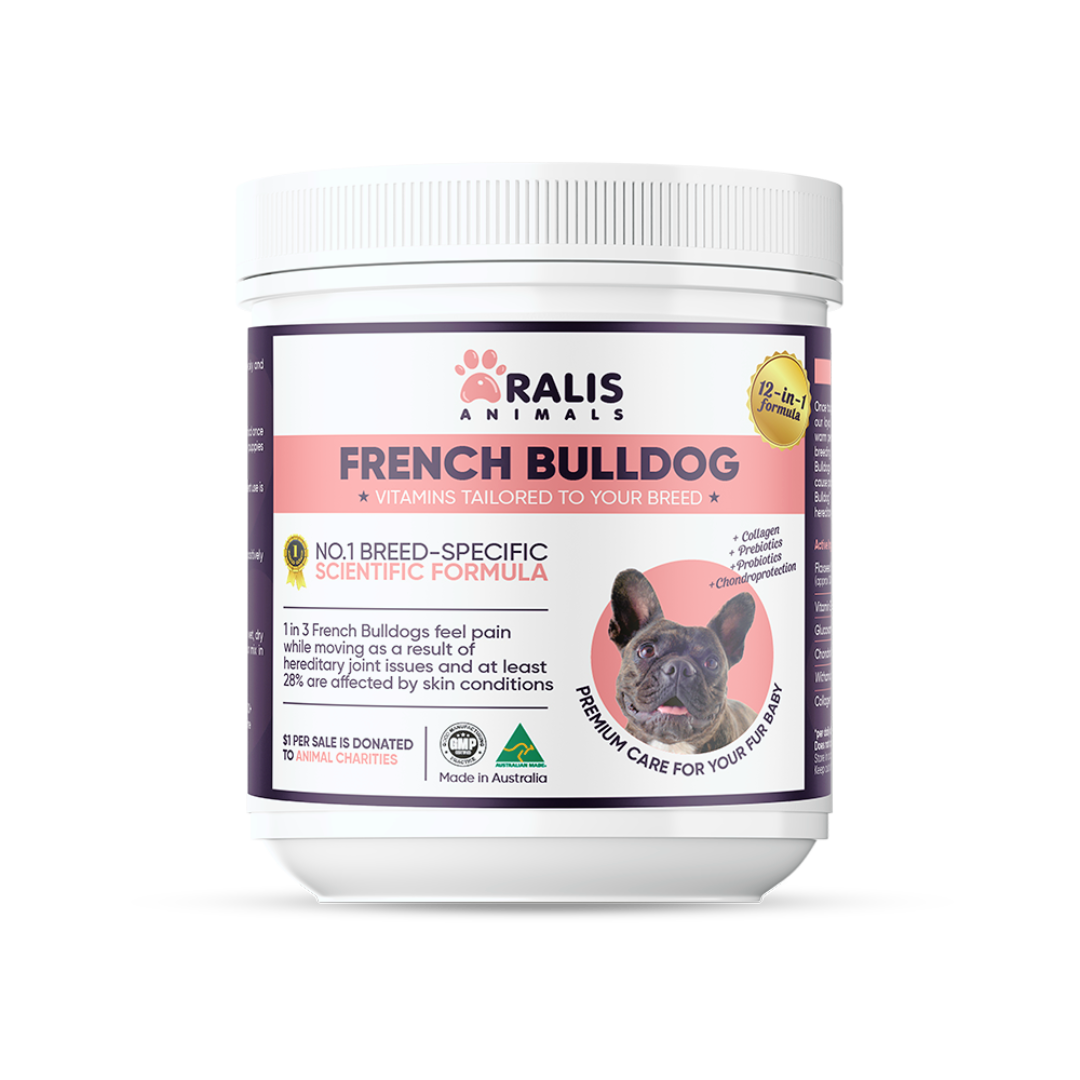
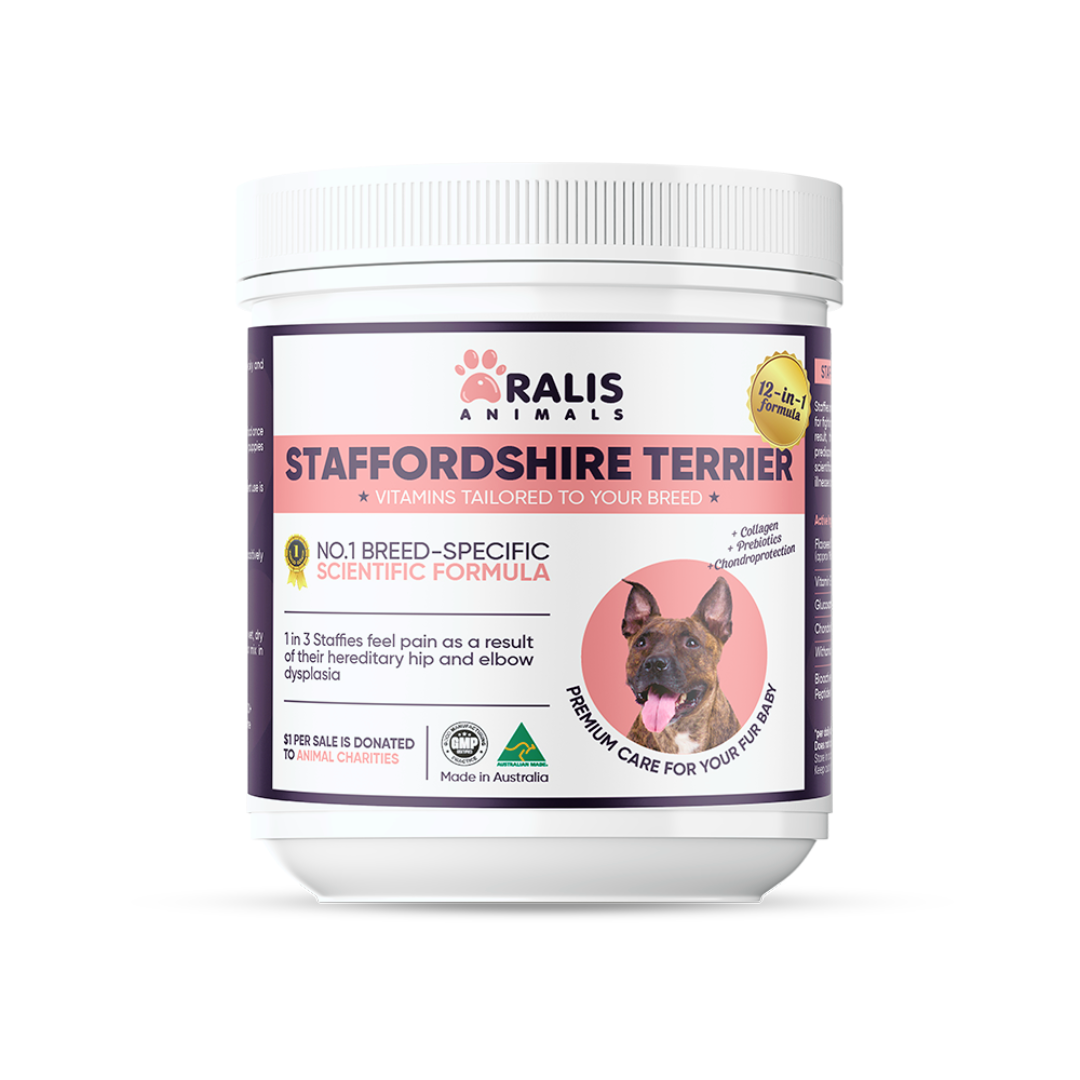
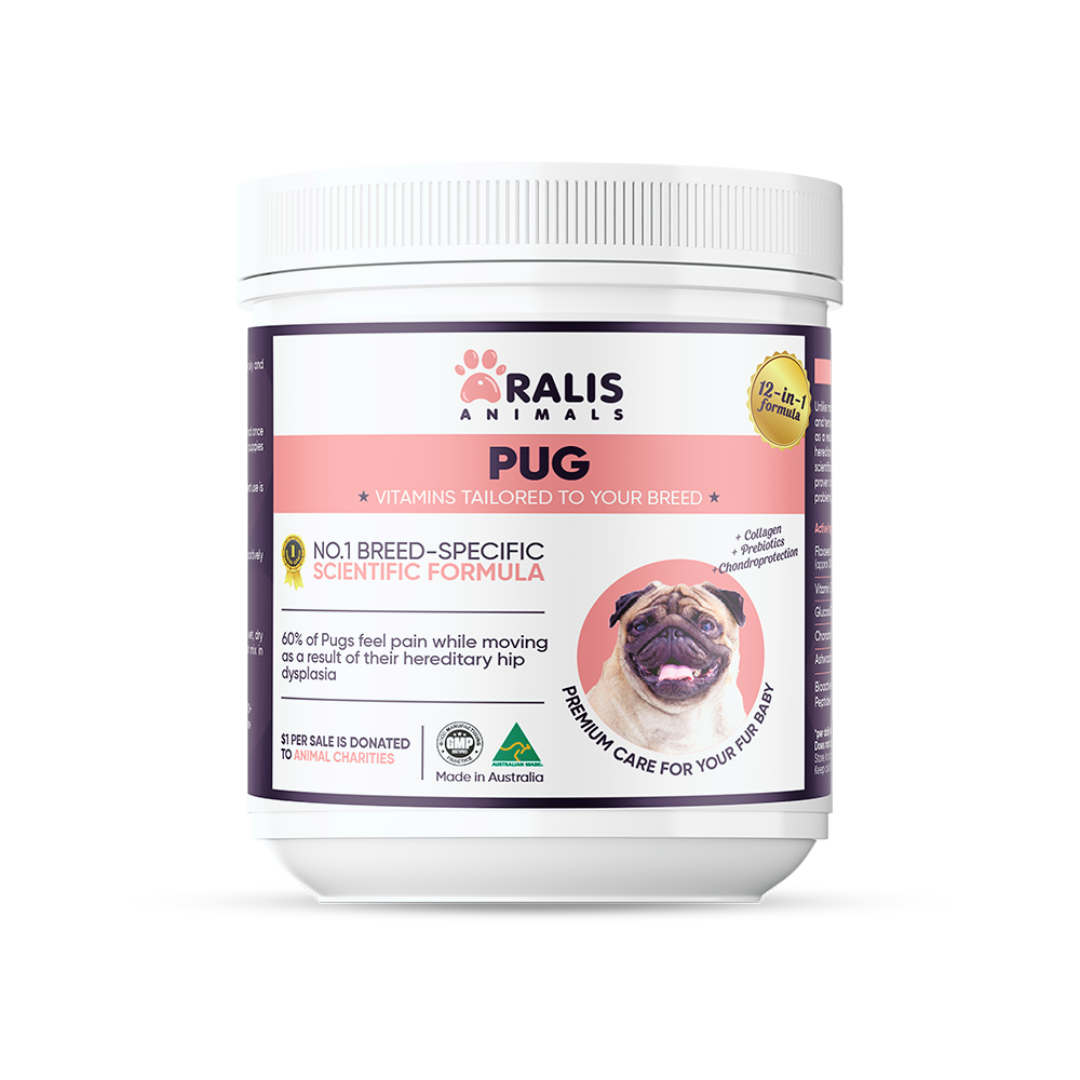
At Aralis Animals, we focus on supporting joint health from the inside out with breed-specific formulations tailored to your dog’s size and genetic predispositions. Our blends combine glucosamine, chondroitin, omega-3s, and complementary anti-inflammatory nutrients in carefully balanced ratios to help ease discomfort and protect long-term mobility. If you’re looking for consistent, preventative joint support, you can learn more here.
Breed-Specific Supplement Approach
Our breed-specific formulations recognize that a Great Dane has different nutritional needs than a Bulldog, and a German Shepherd requires different support than a smaller breed. We've carefully crafted our supplements to provide optimal nutrient ratios and concentrations for each breed category, ensuring your dog receives exactly what their body needs for optimal joint health.
How Our Products Address Hip Dysplasia
Aralis Animals supplements combine glucosamine, chondroitin, omega-3s, and additional anti-inflammatory ingredients in formulations specifically designed to ease inflammation and support hip health. Our products are made with high-quality, bioavailable ingredients that your dog's body can effectively utilize. We focus on comprehensive joint support that addresses both the symptoms and underlying causes of hip dysplasia.
Customer Success Stories
Dog owners across the country have seen remarkable improvements in their pets' mobility and comfort after using Aralis Animals supplements. Many report their dogs returning to activities they hadn't enjoyed in months, showing increased energy, and displaying less pain and stiffness.
Complementary Care Strategies
While nutritional support is crucial, managing hip dysplasia effectively requires a comprehensive approach combining multiple strategies.
Exercise and Weight Management
Maintaining a healthy weight is essential for dogs with hip dysplasia, as excess weight increases stress on the joints. Regular, low-impact exercise like swimming or walking helps maintain muscle strength without stressing the joints. Avoid high-impact activities like jumping or running on hard surfaces. Work with your veterinarian to develop an appropriate exercise plan for your dog's specific condition.
Veterinary Guidance
Regular veterinary check-ups are essential for monitoring your dog's hip dysplasia progression and adjusting treatment plans as needed. Your veterinarian can recommend pain management strategies, physical therapy, or other interventions when necessary. They can also ensure that supplements don't interact with any medications your dog is taking.
Long-term Management Plans
Hip dysplasia is a lifelong condition requiring ongoing management. Develop a long-term plan with your veterinarian that includes consistent supplementation, appropriate exercise, weight management, and regular monitoring. This comprehensive approach provides the best chance for maintaining your dog's quality of life.
Conclusion
Dog hip dysplasia treatment doesn't have to mean accepting your dog's pain and limited mobility. By understanding how inflammation affects hip health and providing comprehensive nutritional support through high-quality supplements, you can significantly ease your dog's discomfort and slow the progression of joint deterioration. The combination of glucosamine, chondroitin, omega-3s, and other anti-inflammatory nutrients addresses the root causes of hip dysplasia pain while supporting long-term joint health.
Aralis Animals is committed to helping your beloved companion live their best life despite hip dysplasia. Our breed-specific supplements are formulated to provide the targeted nutritional support your dog needs. Don't let hip dysplasia limit your dog's happiness and activity. Take action today by exploring Aralis Animals' tailored supplement solutions and giving your dog the gift of improved mobility, reduced pain, and better overall quality of life. Your dog deserves to enjoy their golden years with comfort and vitality.