


Dog Anxiety and Separation Anxiety in Dogs: Can Gut Health Supplements Help?

Dog anxiety is one of the most common behavioral issues pet owners face today. Whether it's general anxiety or the more specific challenge of separation anxiety in dogs, this condition can significantly impact your beloved companion's quality of life. Many dog owners struggle to find effective solutions, often trying multiple approaches before discovering what works best for their furry friend. One emerging area of interest that's gaining scientific support is the connection between gut health and canine anxiety. At Aralis Animals, we believe that understanding this connection and exploring breed-specific supplement solutions can help elevate your pet's health and well-being.
Understanding Dog Anxiety
Dog anxiety encompasses a range of emotional responses that can manifest in various ways. Unlike occasional nervousness, true anxiety in dogs is a persistent condition that affects their daily behavior and comfort. Understanding what constitutes dog anxiety is the first step toward helping your pet.
What is Dog Anxiety?
Anxiety in dogs is characterized by excessive fear, worry, or stress responses to situations that may or may not pose actual threats. Dogs experiencing anxiety often exhibit behaviors that seem disproportionate to the triggering event. This condition can develop due to genetics, past experiences, lack of socialization, or environmental factors.
Common Dog Anxiety Symptoms
Recognizing dog anxiety symptoms is crucial for early intervention. Pet owners should watch for several telltale signs that indicate their dog may be experiencing anxiety. These dog anxiety symptoms include excessive barking or whining, destructive behavior, pacing, trembling, panting, drooling, loss of appetite, and attempts to escape or hide. Some dogs may also display aggression or become overly clingy with their owners. The severity of these symptoms can range from mild to severe, depending on the individual dog and the specific triggers involved.
Impact on Pet Well-being
When left unaddressed, anxiety in dogs can lead to serious health complications and behavioral problems. Chronic stress from anxiety weakens the immune system, increases inflammation, and can contribute to digestive issues. Additionally, anxious dogs may develop secondary behavioral problems as they attempt to cope with their distress, creating a challenging cycle that becomes increasingly difficult to manage.
Separation Anxiety in Dogs Explained
Separation anxiety in dogs is a specific and particularly challenging form of canine anxiety that deserves special attention. This condition occurs when dogs experience extreme distress when separated from their owners or left alone.
What is Separation Anxiety?
Separation anxiety in dogs is more than simple sadness when you leave home. It's an intense panic response triggered by separation from their owner or familiar environment. Dogs with separation anxiety may have experienced trauma, loss, or insufficient early socialization. Some breeds are also genetically predisposed to this condition, making them more vulnerable to developing separation anxiety symptoms.
Separation Anxiety in Dogs Symptoms
The symptoms of separation anxiety in dogs can be quite severe and destructive. Dogs experiencing separation anxiety may engage in destructive chewing, particularly around doors and windows. House training regression is common, with dogs having accidents despite being previously housetrained. Excessive vocalization, including prolonged barking and howling, often occurs when the owner leaves. Some dogs may attempt to escape, potentially injuring themselves in the process. Additionally, dogs with separation anxiety may refuse to eat or drink while alone, and some may experience excessive drooling or panting.
Dog Anxiety When Left Alone
Understanding dog anxiety when left alone helps owners recognize the specific triggers and intensity of their pet's distress. Some dogs begin showing signs of anxiety even before their owners leave, sensing the preparation for departure. The duration of separation matters significantly—some dogs may panic immediately, while others develop anxiety gradually as time passes. The severity often depends on how long the dog has been alone and whether they've had previous negative experiences with isolation.
The Gut-Brain Connection in Canine Health
Recent scientific research has revealed a fascinating connection between gut health and mental health in both humans and dogs. This gut-brain axis plays a crucial role in regulating mood, stress responses, and anxiety levels.
How Gut Health Affects Canine Behavior
The gut microbiome—the community of microorganisms living in your dog's digestive system—produces neurotransmitters that directly influence brain function and behavior. Approximately 90% of serotonin, the neurotransmitter responsible for mood regulation, is produced in the gut. When the microbiome is imbalanced, it can lead to reduced serotonin production, contributing to anxiety and mood disorders. Additionally, an unhealthy gut can increase intestinal permeability, allowing harmful substances to enter the bloodstream and trigger inflammatory responses that affect brain function. Supporting your dog’s gut with the right nutrients like probiotics, prebiotics, and calming adaptogens such as ashwagandha can help promote a more balanced stress response. You can explore our formula here to see how these ingredients work together for anxious pooches.
Role of Microbiome in Anxiety
The microbiome influences anxiety through multiple pathways. A healthy microbiome produces short-chain fatty acids that support brain health and reduce inflammation. It also helps regulate the hypothalamic-pituitary-adrenal axis, which controls stress hormone production. When the microbiome is compromised by poor diet, antibiotics, or stress, these protective mechanisms fail, leaving dogs more vulnerable to anxiety disorders. This is why supporting gut health through proper nutrition and supplementation can be a powerful tool in managing canine anxiety.
Gut Health Supplements for Dogs
Recognizing the importance of gut health in managing anxiety, many pet owners are turning to supplements as part of a comprehensive approach to their dog's well-being.
Probiotics for Dogs Benefits
Probiotics for dogs offer numerous benefits that extend beyond digestive health. These beneficial bacteria help restore balance to the microbiome, improve nutrient absorption, strengthen the intestinal barrier, and reduce inflammation. By promoting a healthier gut environment, probiotics can indirectly support mental health and reduce anxiety symptoms. Quality probiotics contain specific strains that have been studied for their effects on mood and stress response.
How Supplements Support Anxiety Management
Gut health supplements work through multiple mechanisms to support anxiety management. They reduce inflammation throughout the body, including in the brain. They improve the production of calming neurotransmitters like serotonin and GABA. They enhance the integrity of the gut barrier, preventing harmful substances from triggering immune responses. Additionally, a healthier gut improves overall physical health, which can boost confidence and reduce stress-related behaviors.
Breed-Specific Solutions from Aralis Animals
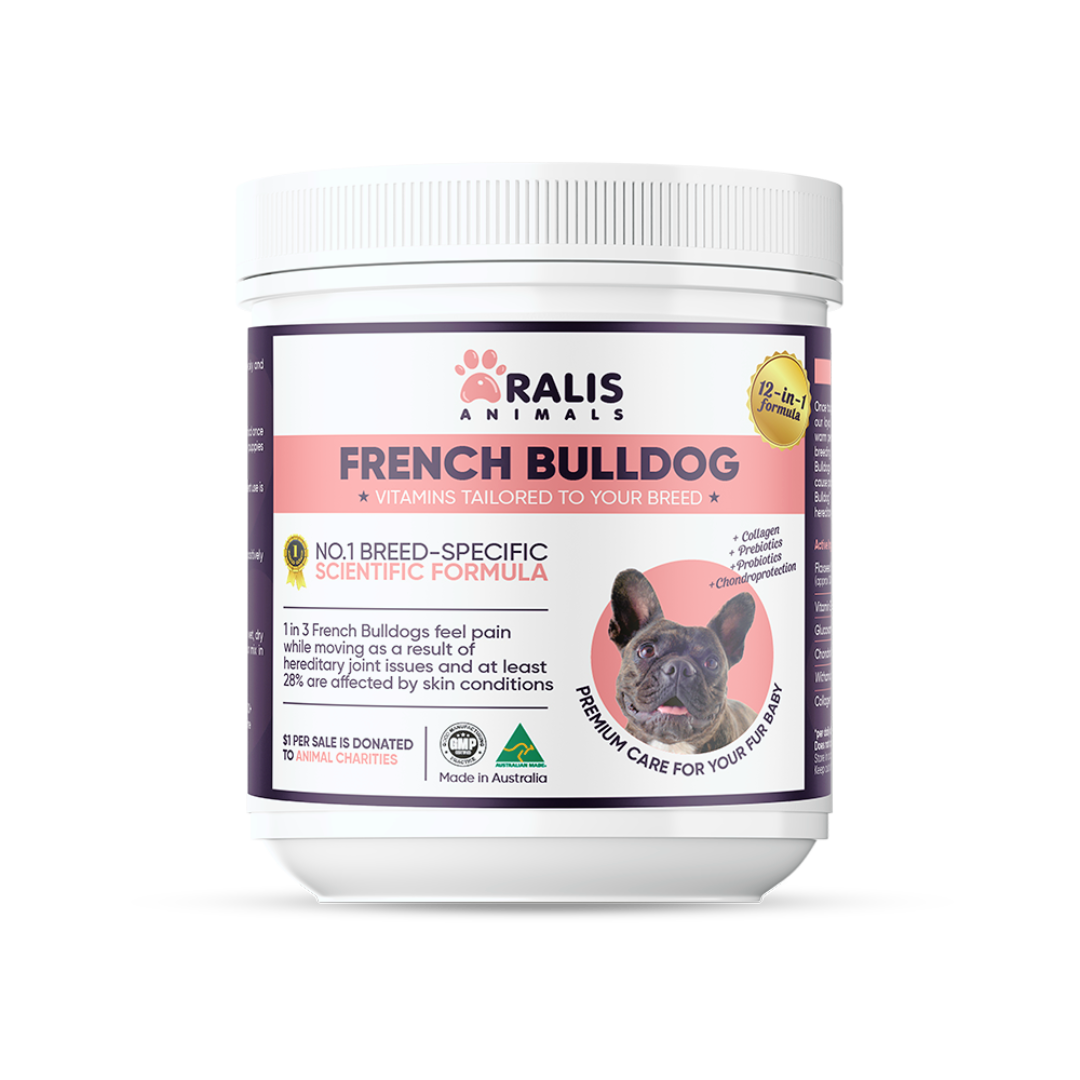
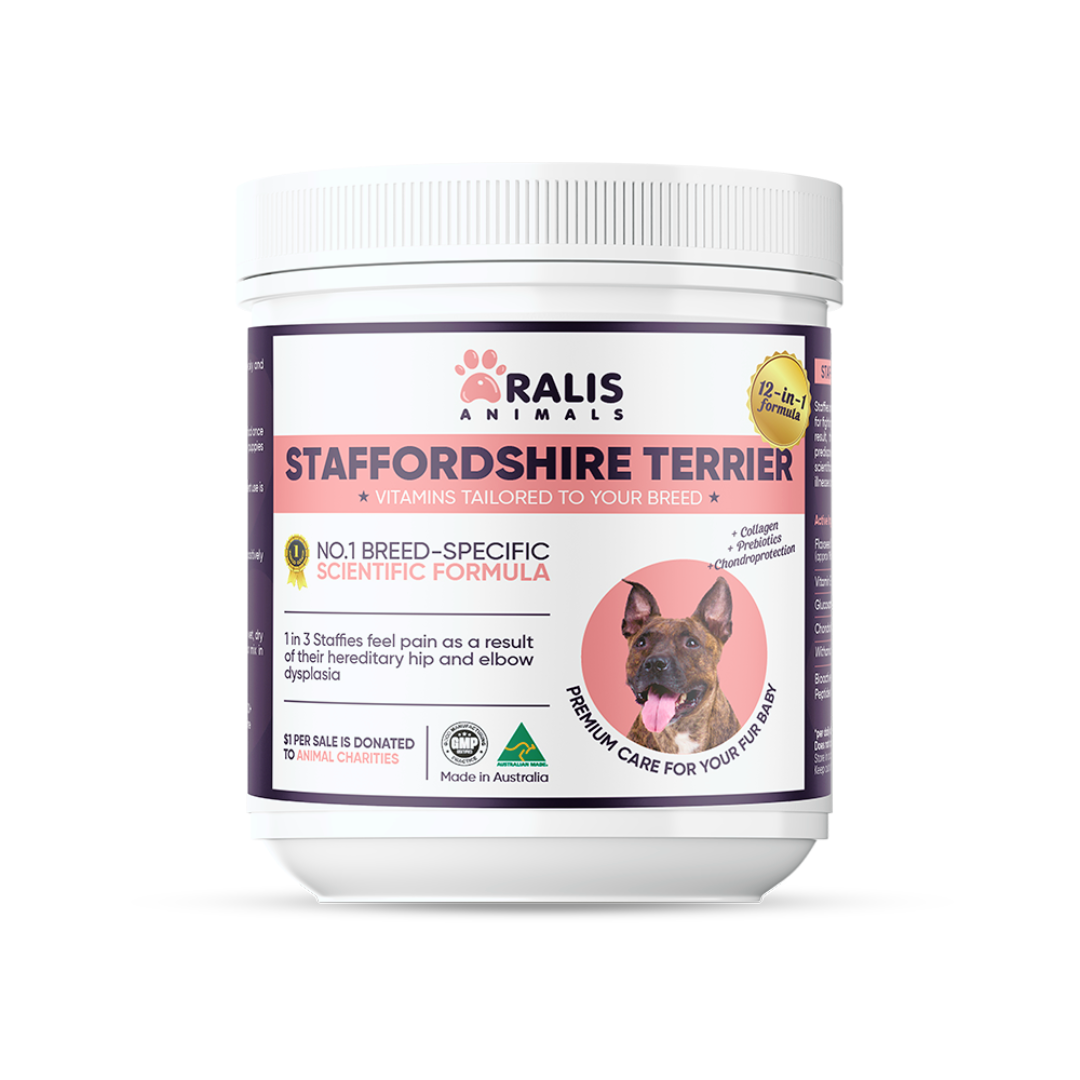
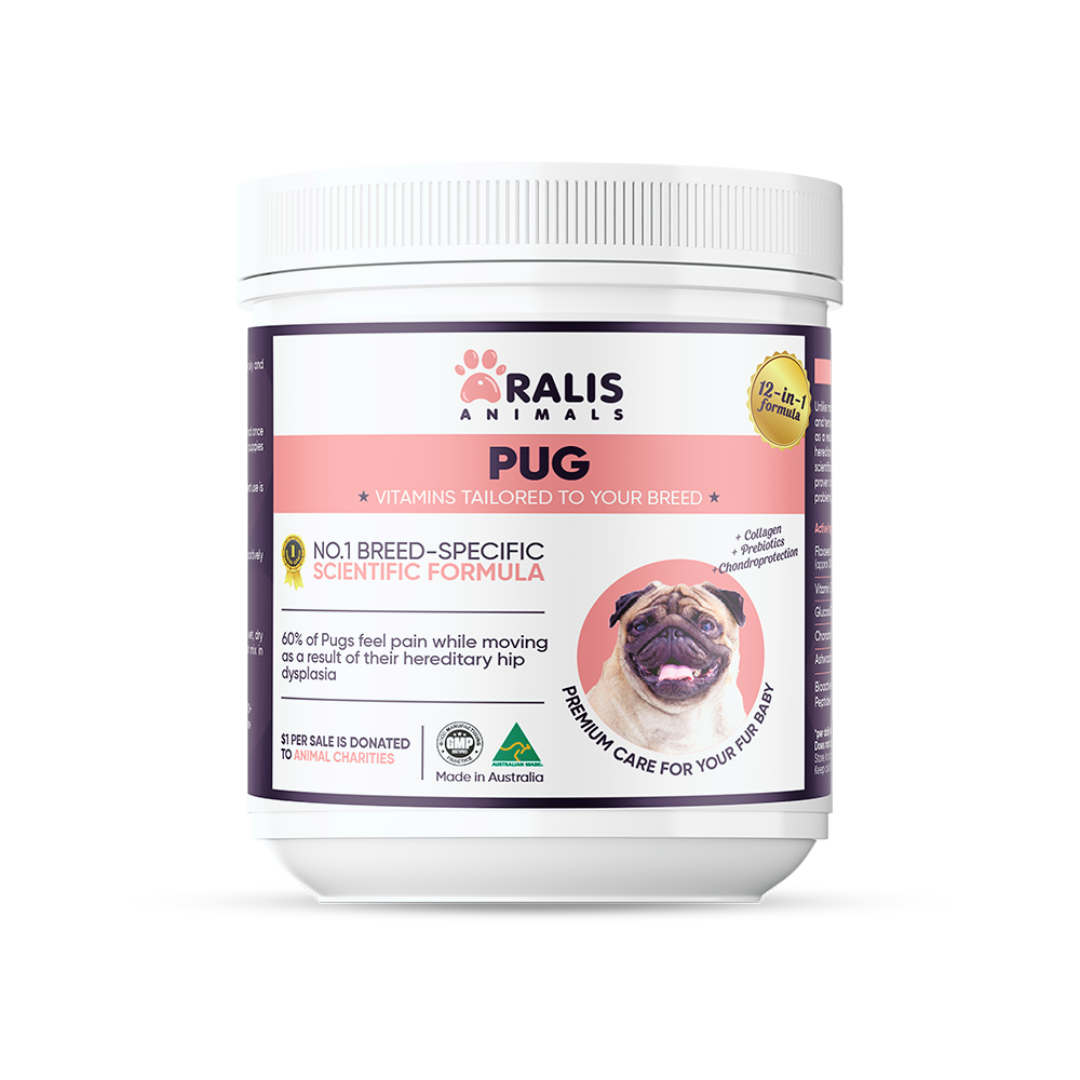
At Aralis Animals, we understand that different dog breeds have unique nutritional needs and predispositions to certain health conditions. Our breed-specific supplements are formulated to address the particular vulnerabilities of different breeds, including those prone to anxiety. By tailoring our formulations to specific breeds, we ensure that your dog receives the optimal combination of probiotics, prebiotics, and other beneficial compounds to support gut health and emotional well-being.
Canine Anxiety Treatment Options
While gut health supplements are valuable, they work best as part of a comprehensive approach to treating canine anxiety.
Treating a Dog with Separation Anxiety
Effective treatment of separation anxiety in dogs typically involves multiple strategies working together. Behavioral modification techniques, such as gradual desensitization to alone time, help dogs build confidence and reduce panic responses. Environmental modifications, like creating a safe space and using calming aids, provide comfort during separation. Consistent routines help dogs feel more secure and predictable. Supplements supporting gut health and stress response can enhance the effectiveness of these behavioral interventions by improving the dog's neurological capacity to cope with stress.
Supplements as Part of a Holistic Approach
Supplements should be viewed as one component of a holistic anxiety management strategy. They work best when combined with behavioral training, environmental enrichment, regular exercise, and a high-quality diet. Exercise is particularly important, as it reduces stress hormones and promotes the growth of beneficial gut bacteria. Mental stimulation through play and training also helps redirect anxious energy and builds confidence.
When to Consult a Veterinarian
While supplements can be highly beneficial, it's essential to consult with your veterinarian before starting any new supplement regimen. Your vet can rule out underlying medical conditions that might be contributing to anxiety symptoms, recommend appropriate supplements for your dog's specific situation, and monitor your dog's progress. In some cases, your veterinarian may recommend additional interventions, such as anti-anxiety medications, particularly for severe cases of separation anxiety.
Conclusion
Dog anxiety and separation anxiety in dogs are serious conditions that deserve thoughtful, comprehensive treatment approaches. The emerging science surrounding the gut-brain connection offers new hope for pet owners seeking effective solutions. By supporting your dog's gut health through quality probiotics and breed-specific supplements from Aralis Animals, you can help address one of the root causes of anxiety while supporting overall well-being.
If your dog is struggling with anxiety symptoms, consider exploring how gut health supplements might help. Aralis Animals offers tailored solutions designed specifically for different breeds, helping you elevate your pet's health from the inside out. Combined with behavioral training, environmental modifications, and veterinary guidance, these supplements can be a game-changer in helping your beloved companion overcome anxiety and enjoy a happier, more confident life.