


Dog Allergies 101: Common Triggers and How Nutrition Helps Reduce Reactions

As a pet parent, nothing breaks your heart more than seeing your furry companion struggle with allergies. Whether it's incessant scratching, hot spots, or digestive issues, dog allergies can be a real challenge to manage. But fear not, with the right knowledge and approach, you can help your pup find relief and live a happier, healthier life.
In this comprehensive guide, we'll dive into the world of dog allergies, exploring the most common triggers and how targeted nutrition can make a significant difference in managing your dog's symptoms. Get ready to become an allergy-fighting expert and give your canine companion the support they deserve.
Understanding Dog Allergies
Dog allergies are an overreaction of the immune system to certain substances, known as allergens. These allergens can be found in a variety of sources, from the environment to your pup's diet. When your dog's immune system encounters an allergen, it releases histamine and other inflammatory chemicals, leading to the unpleasant symptoms we often associate with allergies.
The most common dog allergy triggers include:
- Environmental Allergens: Pollen, dust mites, mold, and even certain grasses can trigger allergic reactions in dogs.
- Food Allergens: Proteins found in common dog food ingredients, such as beef, dairy, or wheat, can cause digestive issues and skin irritation.
- Flea Saliva: The saliva from flea bites can cause intense itching and skin inflammation.
- Household Chemicals: Cleaning products, laundry detergents, and even certain fabrics can irritate your dog's skin and respiratory system.
Recognizing the specific triggers for your dog's allergies is the first step in finding the right solution. Pay close attention to when your pup's symptoms flare up and try to identify any patterns or common factors.
Nutrition as a Natural Allergy Solution
While medications and topical treatments can provide temporary relief, many pet owners are seeking more natural, long-term solutions to manage their dog's allergies. This is where targeted nutrition can make a significant difference.
The Power of Omega-3s
Omega-3 fatty acids, such as those found in fish oil, are renowned for their anti-inflammatory properties. By incorporating high-quality omega-3 supplements into your dog's diet, you can help reduce the overall inflammatory response triggered by allergens. This can lead to a decrease in itching, redness, and other allergy-related symptoms.
Look for dog supplements that contain a balanced blend of EPA (eicosapentaenoic acid) and DHA (docosahexaenoic acid), the two most potent forms of omega-3s. These essential fatty acids work together to soothe your pup's skin and support a healthy immune system.
Probiotics and Prebiotics
The gut-skin connection is a well-established concept in the world of human and animal health. When it comes to dog allergies, maintaining a healthy gut microbiome can be a game-changer.
Probiotics, the beneficial bacteria that reside in your dog's digestive system, play a crucial role in regulating the immune response. By introducing high-quality probiotic supplements into your pup's diet, you can help strengthen their gut barrier and reduce the likelihood of allergic reactions.
Prebiotics, the non-digestible fibers that feed the probiotics, are also essential. Look for dog supplements that contain a combination of probiotics and prebiotics, as they work synergistically to support your pup's overall gut health.
Skin and Coat Nourishment
Certain vitamins and minerals are essential for maintaining a healthy skin and coat, which can be particularly important for dogs struggling with allergies. Ingredients like vitamin E, zinc, and biotin can help soothe irritated skin, improve coat quality, and support the skin's natural barrier function.
By incorporating these targeted nutrients into your dog's diet, you can help alleviate the discomfort associated with allergies and promote overall skin and coat health.
Tailoring Your Dog's Diet
When it comes to managing dog allergies through nutrition, a one-size-fits-all approach doesn't always work. Each pup is unique, and their dietary needs may vary depending on factors such as age, breed, and the severity of their allergies.
Work closely with your veterinarian or a pet nutritionist to develop a personalized diet plan for your dog. This may involve experimenting with different protein sources, limiting certain ingredients, or transitioning to a hypoallergenic dog food formula.
Remember, it's not just about what you feed your dog, but also how you feed them. Slow, mindful feeding and providing plenty of fresh, clean water can also contribute to better digestive and skin health.
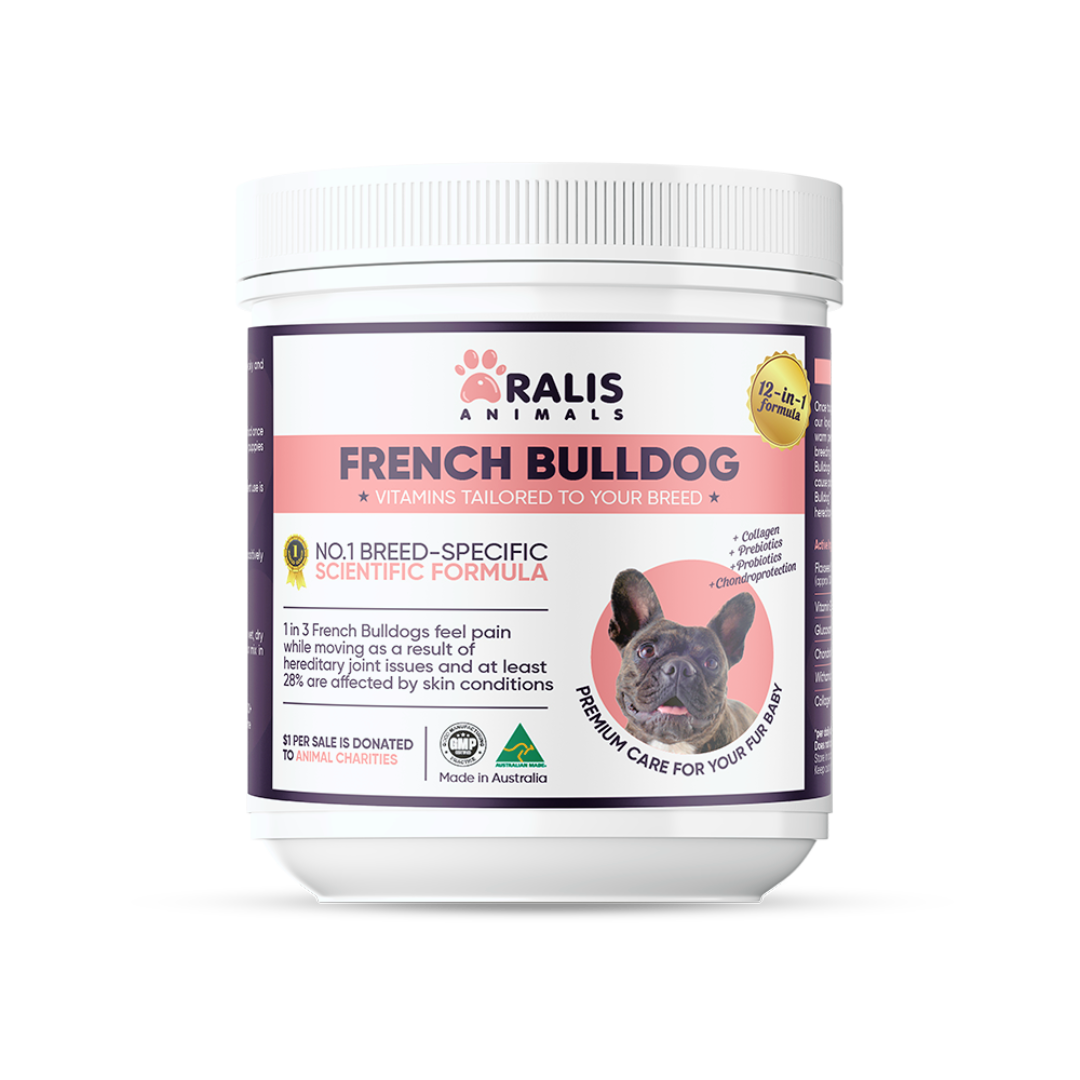
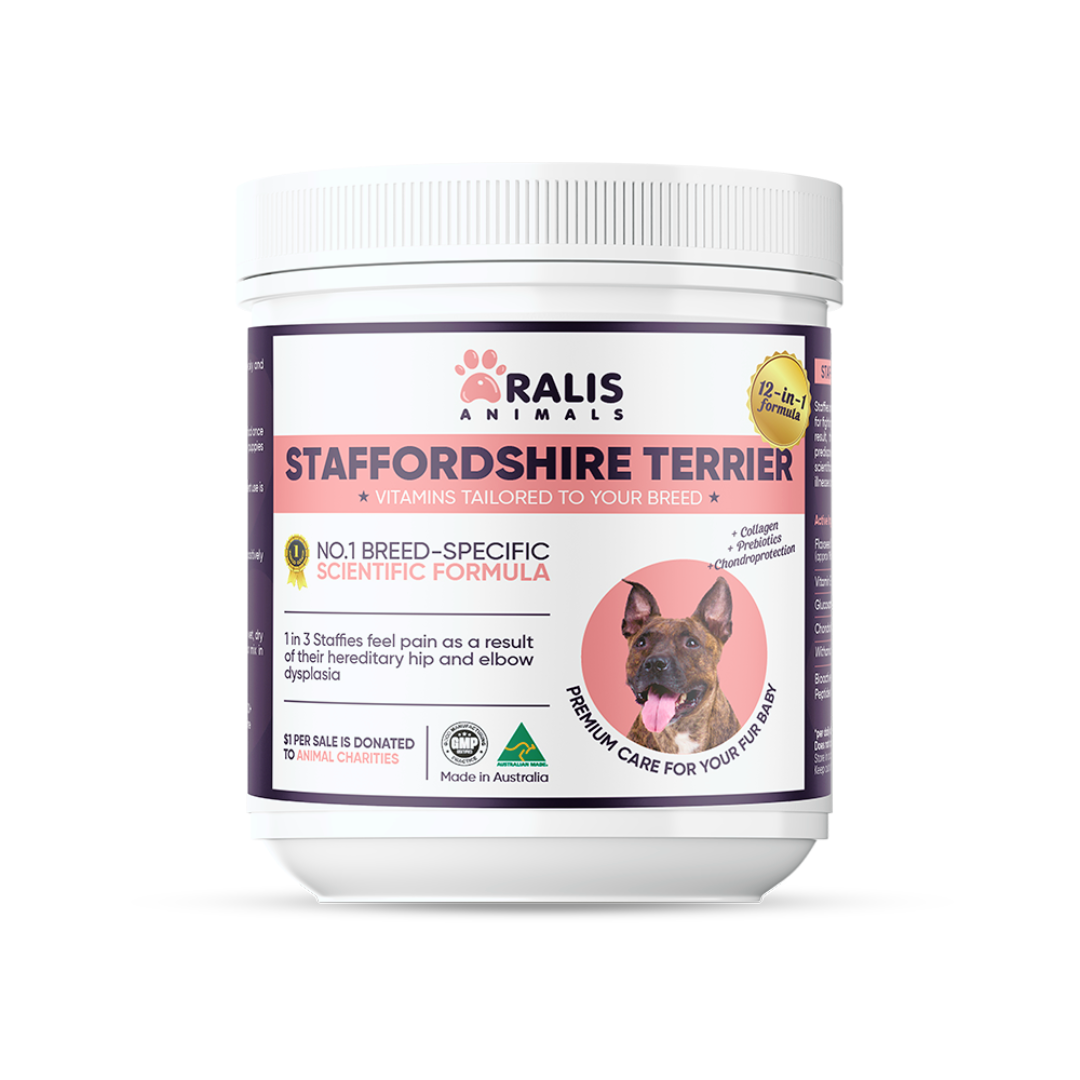
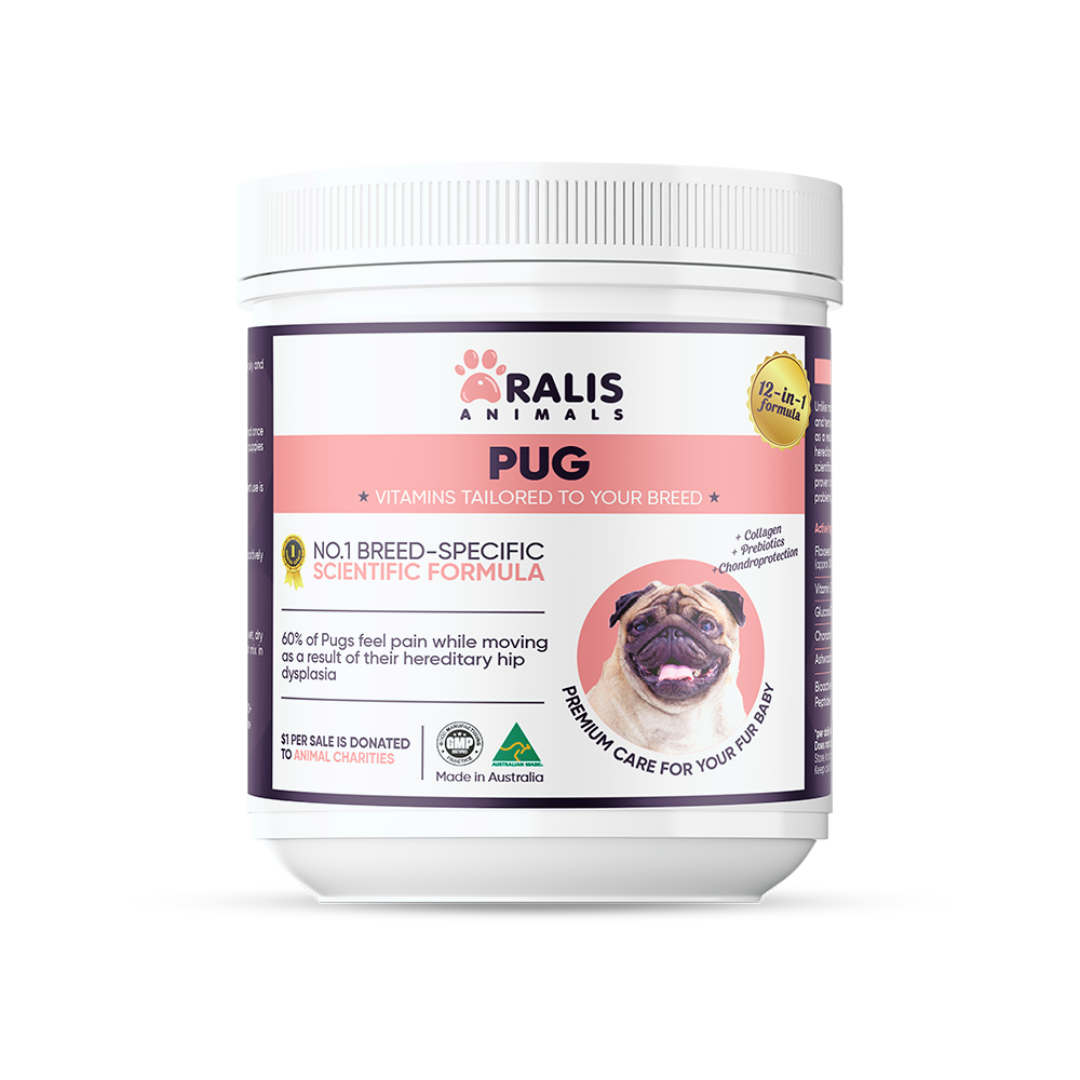
If you’re looking for an easy way to support your dog’s skin, gut, and immune health from the inside out, you can explore Aralis Animals Multivitamins here. Our formulas are crafted with omega-3s, probiotics, and skin-loving nutrients to help soothe irritation and keep your pup comfortable year-round.
Putting it All Together
Navigating the world of dog allergies can be a challenge, but with the right knowledge and a proactive approach, you can help your furry friend find relief and enjoy a happier, healthier life.
By understanding the common triggers, incorporating targeted nutritional supplements, and working closely with your veterinarian, you'll be well on your way to managing your dog's allergies and providing them with the care they deserve.
Remember, every dog is different, so be patient, observe your pup's reactions, and be willing to adjust your approach as needed. With a little time and dedication, you can help your canine companion thrive, even in the face of allergies.