


Dog Allergic to Grass? Signs, Causes and How to Help Dogs with Grass Allergies

If you've noticed your furry friend constantly scratching, licking their paws, or displaying signs of discomfort after spending time outdoors, your dog might be allergic to grass. Grass allergies in dogs are more common than many pet owners realize, and understanding this condition is crucial for maintaining your beloved companion's health and happiness. This comprehensive guide will help you identify the signs, understand the causes, and discover effective solutions to manage your dog's grass allergies.
Understanding Grass Allergies in Dogs
Grass allergies in dogs are a form of environmental allergy that affects countless pets worldwide. When a dog is allergic to grass, their immune system overreacts to proteins found in grass or grass pollen, triggering an allergic response. This condition can significantly impact your dog's quality of life, causing discomfort and behavioral changes that concern pet owners.
The prevalence of grass allergies in dogs has increased over the years, making it essential for pet owners to recognize the symptoms early. Unlike food allergies, which can be managed through dietary changes, grass allergies require a multi-faceted approach involving environmental management, medical treatment, and preventative care.
Signs Your Dog is Allergic to Grass
Recognizing the symptoms of grass allergies is the first step toward helping your dog. Dogs with grass allergies display various signs that can range from mild to severe, depending on the individual dog and the intensity of their allergic reaction.
Itching and Scratching Behavior
One of the most obvious signs that your dog might be allergic to grass is excessive itching and scratching. You may notice your dog constantly scratching their body, particularly after outdoor activities. This itching can become so intense that it leads to hair loss and skin damage if left untreated.
Dog Itchy Paws and Licking Paws
Dogs with grass allergies often experience itchy paws, which leads to persistent paw licking. If you observe your dog frequently licking their paws, especially after walks on grassy areas, this could indicate a grass allergy. The constant licking can cause secondary skin infections and further irritation.
Skin Irritation and Redness
Examine your dog's skin closely for signs of redness, inflammation, or irritation. Dogs allergic to grass often develop red, inflamed patches on their belly, paws, and other areas that come into contact with grass. These areas may appear raw or develop a rash.
Other Visible Symptoms
Additional signs of grass allergies in dogs include:
- Watery or itchy eyes
- Sneezing or nasal discharge
- Ear infections or ear inflammation
- Facial swelling or hives
- Behavioral changes such as restlessness or anxiety
- Excessive drooling or chewing
Common Causes of Grass Allergies in Dogs
Understanding what causes grass allergies in dogs can help you better manage the condition and take preventative measures.
Pollen and Plant Proteins
The primary culprits behind grass allergies are grass pollen and plant proteins. When dogs come into contact with grass, they inhale pollen particles or absorb proteins through their skin. Their immune system mistakenly identifies these harmless substances as threats, triggering an allergic response.
Environmental Factors
Environmental conditions play a significant role in grass allergies. High pollen counts, humidity levels, and temperature fluctuations can exacerbate allergic reactions. Spring and summer typically see increased grass pollen, making these seasons particularly challenging for dogs with grass allergies.
Seasonal vs. Year-Round Allergies
Some dogs experience seasonal grass allergies that worsen during specific times of the year, while others suffer from year-round allergies. Year-round grass allergies may indicate sensitivity to multiple grass types or a more severe allergic condition.
Breed Predisposition
Certain dog breeds are more prone to developing grass allergies. Breeds with sensitive skin, such as Bulldogs, Retrievers, and Terriers, are more likely to experience allergic reactions to grass. If your dog belongs to a breed with a predisposition to allergies, be extra vigilant about monitoring for symptoms.
Dog Allergic Reaction to Grass: What Happens
When a dog allergic to grass comes into contact with grass, a series of physiological events occur. Understanding this process can help you recognize the severity of your dog's condition.
How Allergic Reactions Develop
Upon exposure to grass allergens, your dog's immune system releases histamine and other inflammatory chemicals. These chemicals cause the itching, inflammation, and other symptoms associated with allergies. The reaction can occur immediately or develop over several hours.
Severity Levels
Grass allergies can range from mild to severe. Mild allergies might cause occasional itching, while severe allergies can lead to significant skin damage, infections, and behavioral problems. Some dogs may experience anaphylactic reactions, though this is rare with grass allergies.
When to Seek Veterinary Care
If your dog shows signs of a severe allergic reaction, such as difficulty breathing, facial swelling, or severe hives, seek immediate veterinary care. Additionally, consult your veterinarian if your dog's symptoms persist, worsen, or if you notice signs of secondary skin infections.
Dog Allergies Treatment Options
Managing dog allergies requires a comprehensive approach combining professional veterinary care with home management strategies.
Veterinary Diagnosis Methods
Your veterinarian can perform various tests to confirm grass allergies, including intradermal skin tests or blood tests. These diagnostic tools help identify specific allergens and guide treatment decisions.
Medical Treatments and Medications
Common medical treatments for dog allergies include:
- Antihistamines to reduce allergic symptoms
- Corticosteroids to control inflammation
- Immunotherapy or allergy shots for long-term management
- Prescription medications specifically designed for allergic dogs
Natural Remedies and Supplements
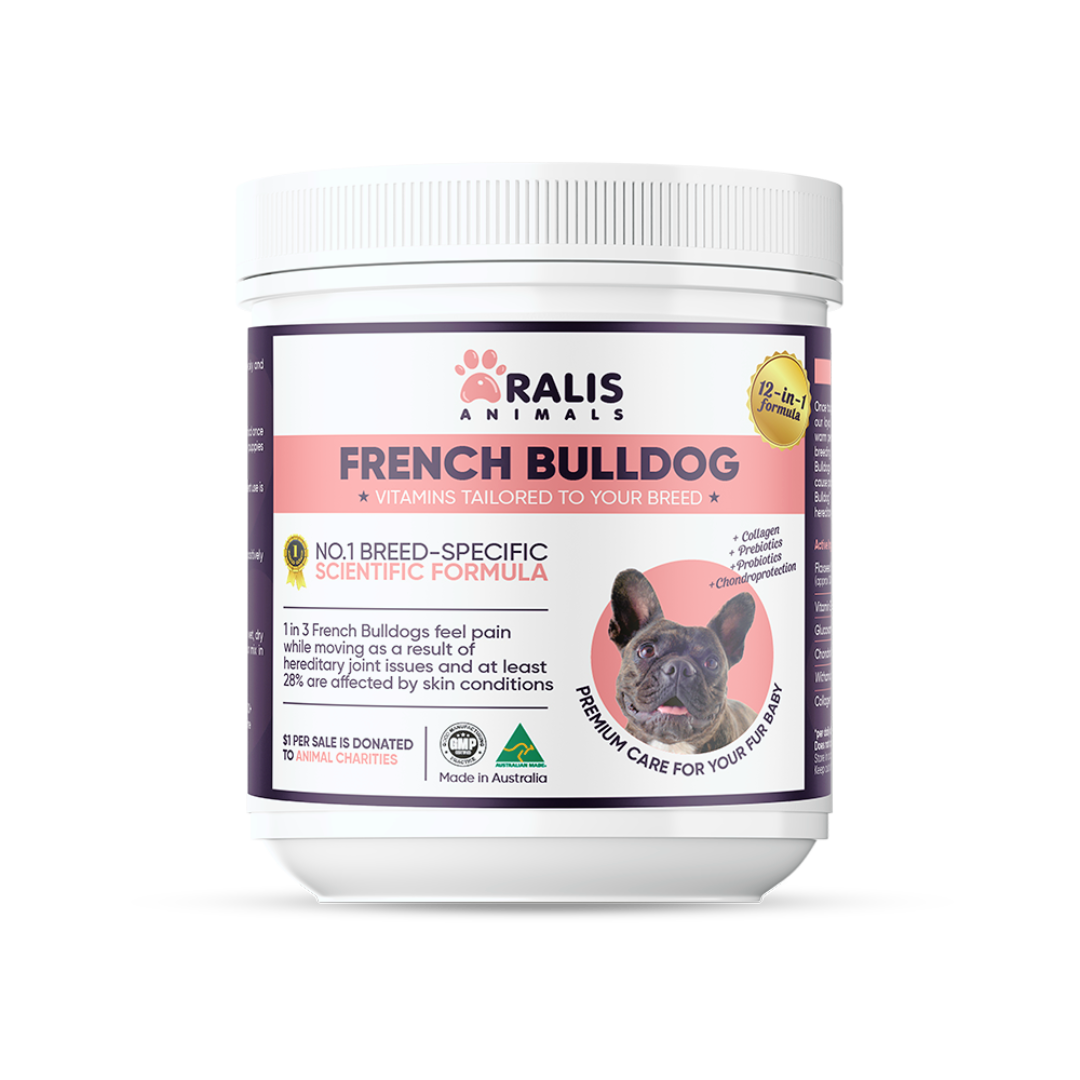
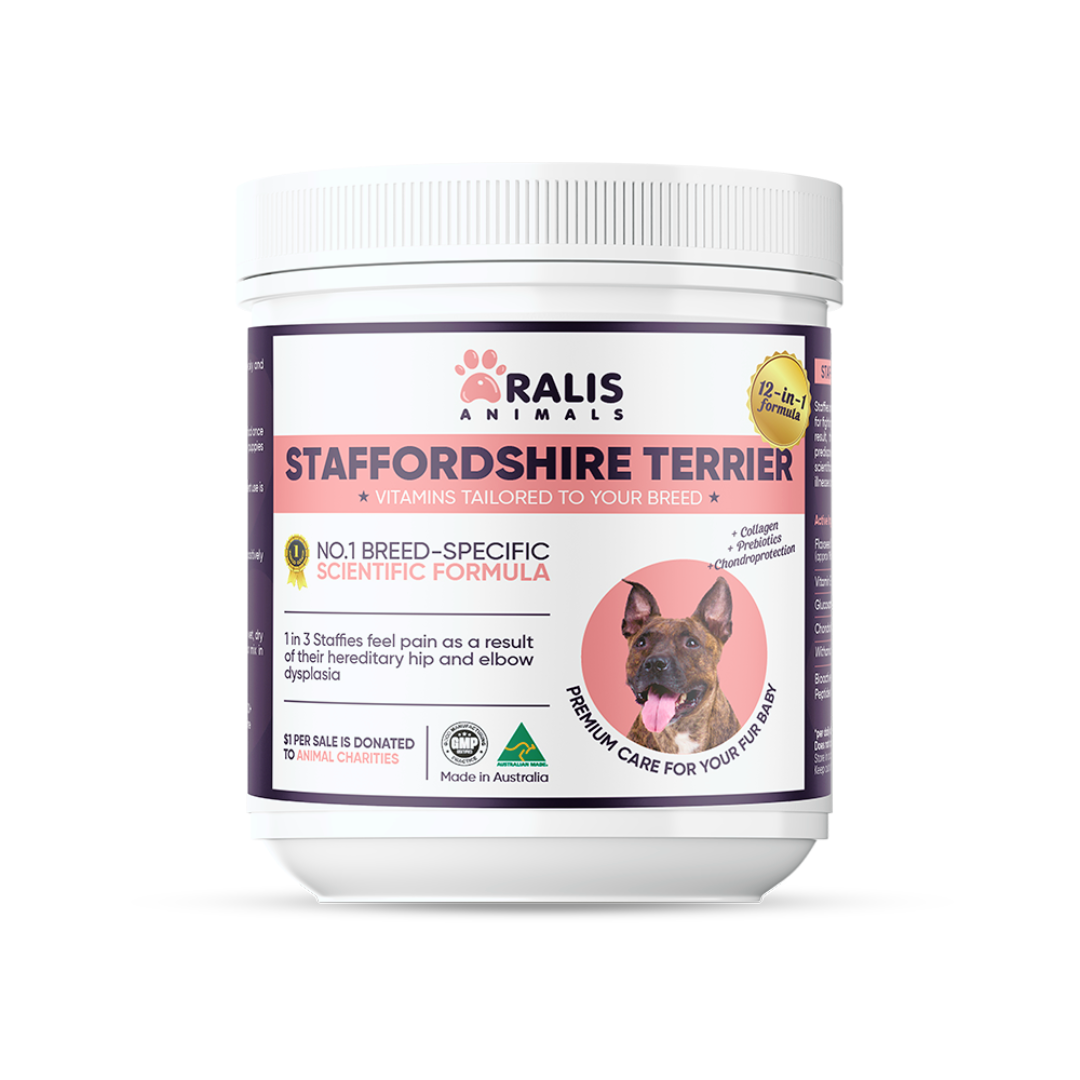
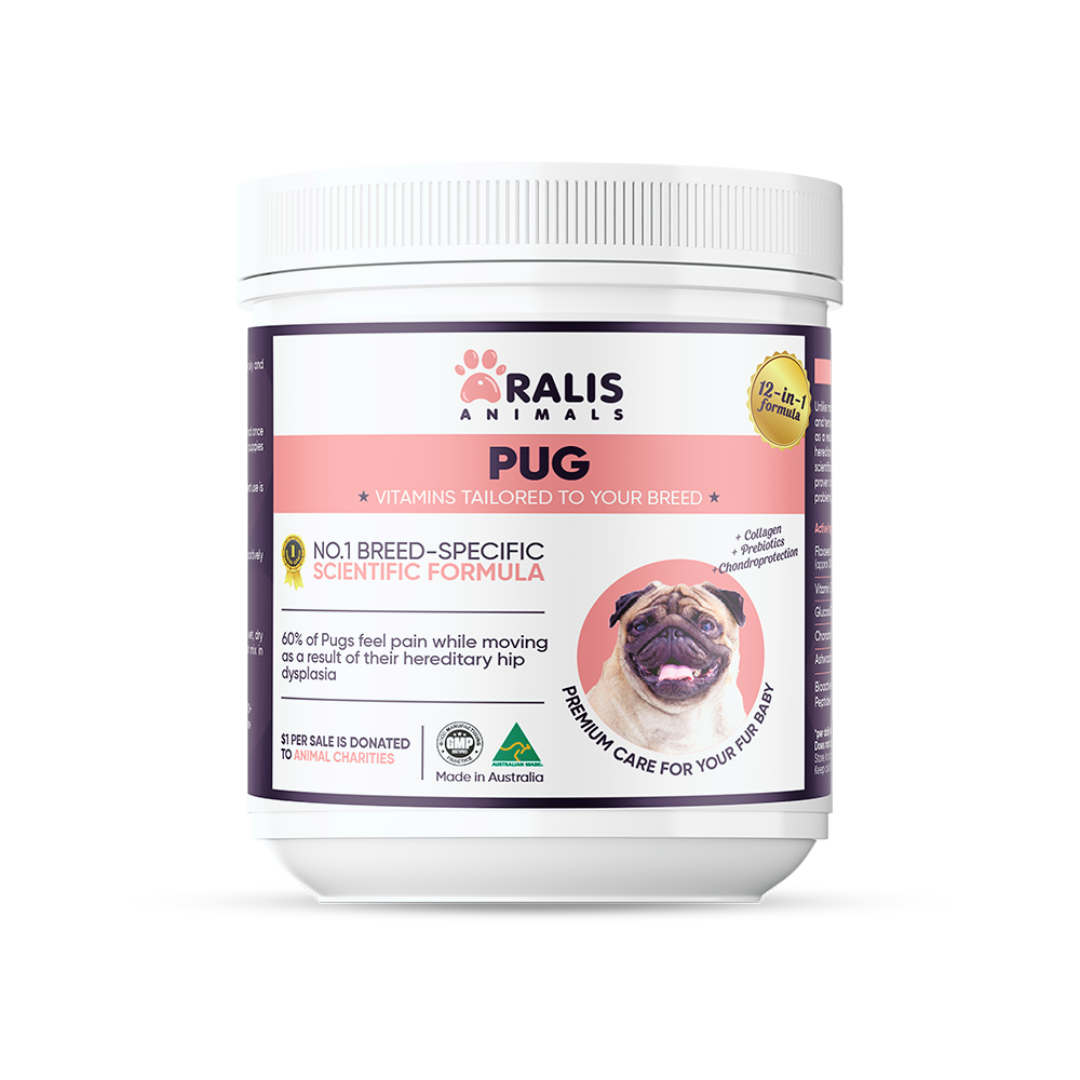
Many pet owners explore natural options to complement medical treatments. Omega-3 fatty acids, probiotics, and quercetin supplements can support skin health and reduce inflammation. Breed-specific supplements formulated to address common allergies in your dog's breed can be particularly beneficial..
Some allergy-support formulas combine ingredients like probiotics for gut balance, omega-3 fatty acids for skin health, and quercetin to help calm inflammatory responses. If you're exploring natural support options, you can explore our Aralis Animals breed-specific supplement range here to see how these ingredients work together to support dogs prone to environmental allergies.
Preventative Measures
Prevention is always better than treatment. Limiting your dog's exposure to grass, especially during high pollen seasons, can significantly reduce allergic reactions. Consider creating designated potty areas with non-grass surfaces or scheduling outdoor activities during low pollen times.
Managing Grass Allergies at Home
Effective home management is crucial for controlling your dog's grass allergies and improving their quality of life.
Limiting Grass Exposure
Reduce your dog's contact with grass by:
- Using alternative outdoor surfaces like gravel or mulch for potty areas
- Scheduling walks during low pollen times
- Keeping your dog indoors during peak pollen seasons
- Creating a grass-free zone in your yard
Bathing and Grooming Routines
Regular bathing removes grass pollen and allergens from your dog's coat and skin. Use lukewarm water and hypoallergenic shampoos designed for sensitive skin. Bathe your dog after outdoor activities, particularly after playing in grass. Regular grooming also helps identify skin issues early.
Environmental Modifications
Make your home environment more allergy-friendly by:
- Using air purifiers to reduce indoor pollen
- Washing your dog's bedding frequently
- Keeping windows closed during high pollen seasons
- Vacuuming regularly to remove pollen from floors
Diet Considerations
A healthy diet supports your dog's immune system and skin health. Ensure your dog receives adequate omega-3 fatty acids, antioxidants, and other nutrients that promote skin integrity and reduce inflammation.
Aralis Animals Solutions
At Aralis Animals, we understand the challenges of managing dog allergies. Our breed-specific supplements are formulated to support your dog's health and address common allergic conditions. Our tailored solutions provide essential nutrients and natural ingredients designed to reduce inflammation, support skin health, and boost immune function.
Our supplements complement veterinary treatments and home management strategies, offering a comprehensive approach to managing your dog's grass allergies. By choosing Aralis Animals products, you're investing in your dog's long-term health and comfort.
Conclusion
Dog allergies, particularly grass allergies, require patience, dedication, and a multi-faceted approach to manage effectively. By recognizing the signs early, understanding the causes, and implementing comprehensive treatment and management strategies, you can significantly improve your dog's quality of life. Remember that every dog is unique, and what works for one may not work for another.
If you suspect your dog is allergic to grass, consult your veterinarian for proper diagnosis and treatment recommendations. Combine professional veterinary care with home management strategies and quality supplements to provide your beloved companion with the relief and comfort they deserve. With the right approach and support from products like those offered by Aralis Animals, your dog can enjoy outdoor activities while minimizing allergic reactions.