


Do Probiotics Help Dogs with Itching, Yeast and Paw Licking? What the Evidence Says

As pet owners, we want nothing more than to see our furry companions happy and healthy. Unfortunately, many dogs struggle with persistent skin issues like itching, yeast infections, and excessive paw licking. These problems can be frustrating to manage and can significantly impact a dog's quality of life.
In recent years, probiotics have emerged as a potential solution for addressing these common canine skin concerns. But do probiotics really hold the key to relieving your dog's discomfort? In this comprehensive blog post, we'll dive into the science behind probiotics and their effects on dog skin health.
Understanding Dog Skin Problems
Canine skin issues can manifest in various ways, from persistent itching and hot spots to yeast infections and chronic paw licking. These problems are often the result of an underlying imbalance in the dog's immune system or gut microbiome.
Allergies, both environmental and food-related, are a common culprit behind many dog skin problems. When a dog's immune system overreacts to certain triggers, it can lead to inflammation, irritation, and intense itching. Yeast infections, on the other hand, are typically caused by an overgrowth of the Malassezia yeast, which thrives in warm, moist environments like the skin and ears.
Excessive paw licking is another frustrating skin issue that can have multiple causes, including allergies, dry skin, or even boredom and anxiety. Regardless of the root cause, these skin problems can significantly impact a dog's overall well-being, leading to discomfort, disrupted sleep, and even secondary infections.
What Are Probiotics for Dogs?
Probiotics are live microorganisms, primarily beneficial bacteria, that are often referred to as the "good" gut bacteria. When introduced into the body, either through supplements or fermented foods, probiotics can help restore the natural balance of the gut microbiome.
In the context of dog health, probiotics work by supporting the immune system, improving digestion, and promoting overall well-being. By maintaining a healthy gut, probiotics can have a positive ripple effect on various aspects of a dog's health, including their skin.
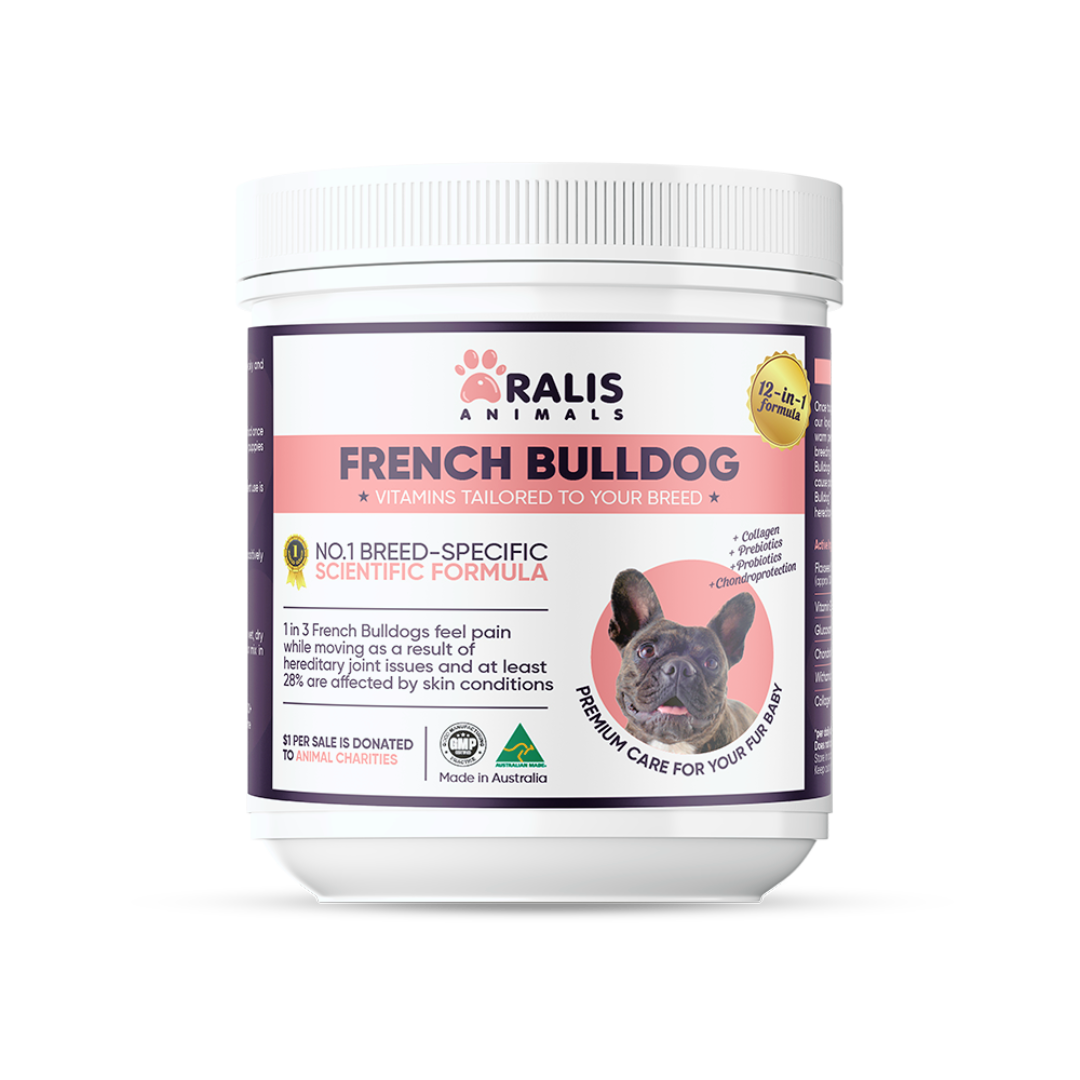
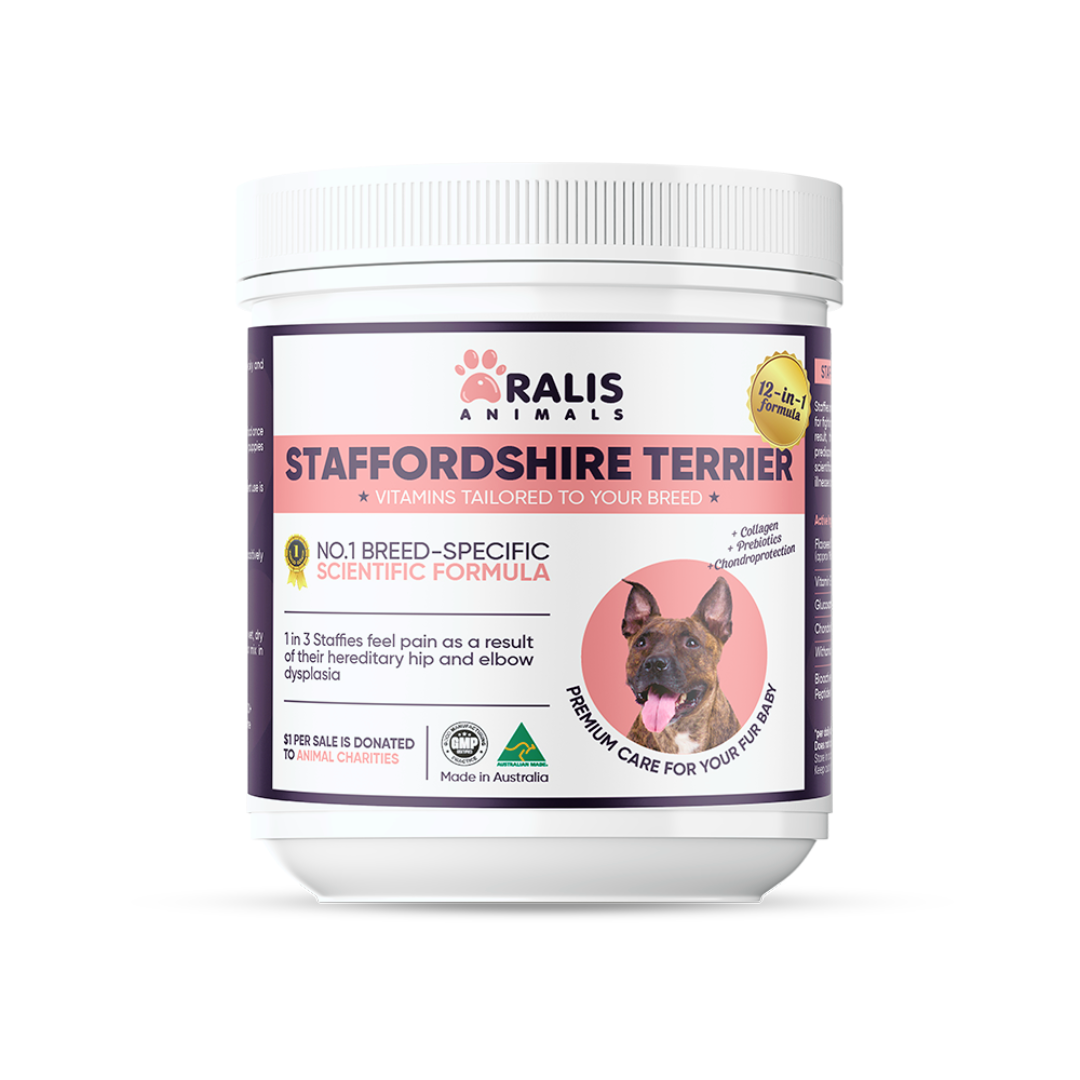
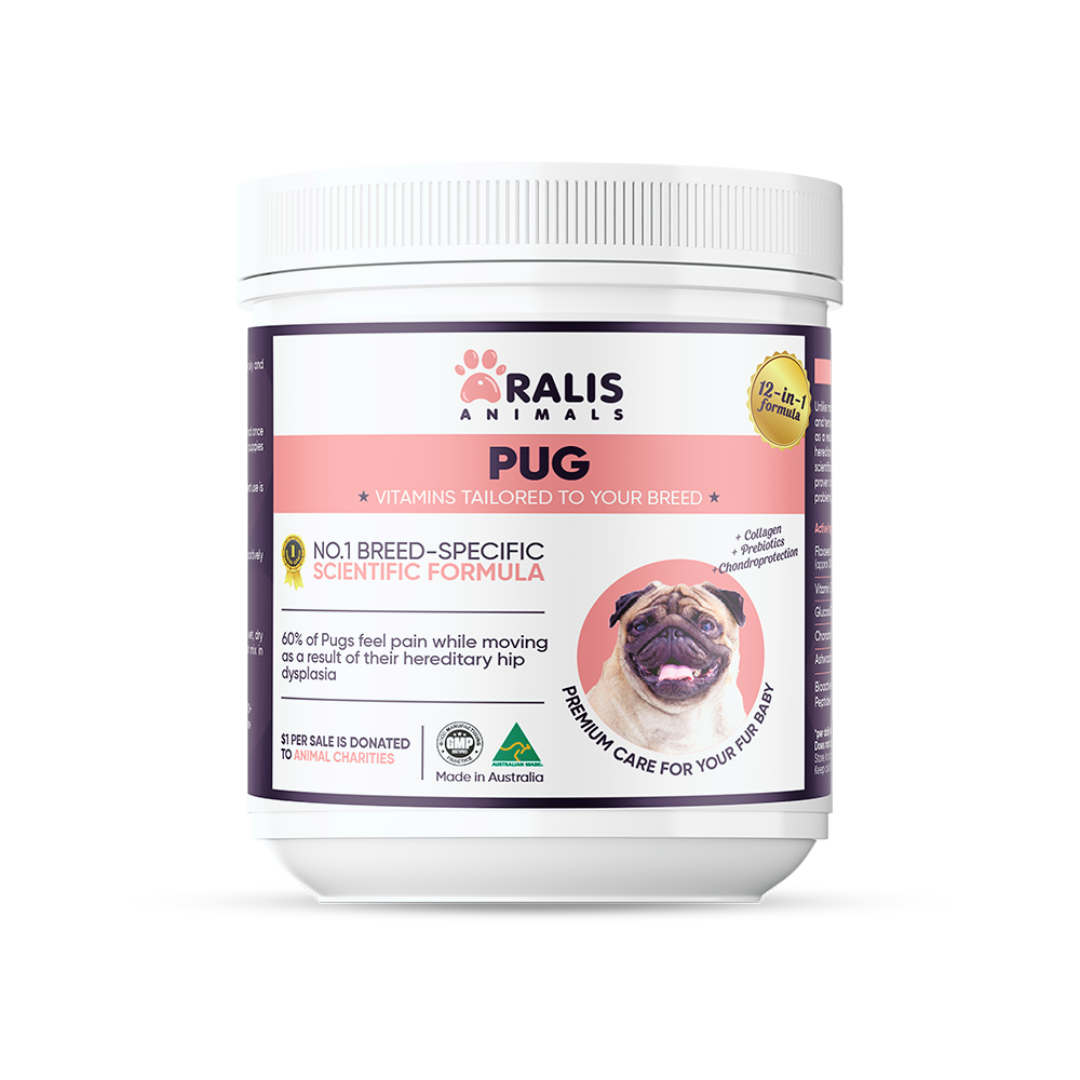
It's important to note that probiotics and prebiotics are not the same. Prebiotics are the dietary fibers that serve as food for the probiotics, helping them thrive and multiply in the gut. A balanced diet that includes both probiotics and prebiotics can be particularly beneficial for dogs. If adding both feels a little overwhelming, a daily supplement that already combines probiotics and prebiotics can make things much simpler like the gentle wellness blends from Aralis Animals, designed to support gut balance and skin comfort in one easy step you can explore the formula here if you’d like.
Scientific Evidence: Probiotics and Skin Health
The connection between gut health and skin health is well-established in both human and animal research. Several studies have explored the potential benefits of probiotics for addressing various canine skin issues.
One study published in the Journal of the American Animal Hospital Association found that dogs with atopic dermatitis (a type of allergic skin disease) experienced a significant reduction in itching and skin lesions after supplementing with a probiotic strain called Bifidobacterium longum. The researchers attributed these improvements to the probiotic's ability to modulate the immune system and reduce inflammation.
Another study, published in the Journal of Veterinary Internal Medicine, investigated the effects of a probiotic supplement on dogs with recurrent yeast infections. The results showed that the probiotic group had a lower incidence of Malassezia yeast overgrowth compared to the placebo group, suggesting that probiotics may help restore the skin's natural microbial balance.
Interestingly, a study published in the Journal of Veterinary Dermatology found that dogs with atopic dermatitis had a less diverse gut microbiome compared to healthy dogs. This finding highlights the importance of maintaining a healthy gut ecosystem, as imbalances can contribute to the development of skin problems.
Benefits of Probiotics for Dog Skin Issues
The scientific evidence suggests that probiotics can offer several benefits for dogs struggling with skin issues:
-
Reducing inflammation: Probiotics have been shown to possess anti-inflammatory properties, which can help alleviate the redness, swelling, and irritation associated with skin conditions.
-
Supporting the immune system: A healthy gut microbiome plays a crucial role in regulating the immune system. Probiotics can help strengthen the immune response, making it better equipped to manage allergic reactions and skin infections.
-
Alleviating itching and allergic reactions: By addressing the underlying gut imbalances that contribute to skin problems, probiotics may help reduce the intensity and frequency of itching, hot spots, and other allergic symptoms.
-
Preventing yeast overgrowth: Probiotics can help maintain the delicate balance of microorganisms on the skin, inhibiting the overgrowth of Malassezia yeast and preventing recurrent infections.
Choosing the Right Probiotic for Your Dog
When it comes to selecting a probiotic supplement for your dog, it's important to consider several factors:
- Strain specificity: Look for probiotics that contain strains that have been specifically studied for their effects on canine skin health, such as Bifidobacterium and Lactobacillus species.
- Potency: Choose a supplement with a high colony-forming unit (CFU) count, typically in the billions, to ensure an adequate dose.
- Formulation: Opt for probiotics that are designed for dogs and contain additional ingredients like prebiotics to support the growth of the beneficial bacteria.
- Dosage: Follow the recommended dosage guidelines on the product label, as the appropriate amount can vary depending on your dog's size and condition.
It's always a good idea to consult with your veterinarian before introducing any new supplements to your dog's diet, especially if they are dealing with persistent skin issues.
Additional Management Strategies
While probiotics can be a valuable tool in addressing dog skin problems, they are often most effective when combined with other management strategies:
- Dietary modifications: Adjusting your dog's diet to include more anti-inflammatory foods and eliminate potential allergens can help reduce skin irritation.
- Topical treatments: Medicated shampoos, conditioners, and ointments prescribed by your veterinarian can provide targeted relief for specific skin conditions.
- Environmental changes: Addressing factors like household cleanliness, bedding materials, and outdoor exposure can help minimize your dog's exposure to allergens and irritants.
- Stress management: Incorporating calming activities and reducing anxiety can help prevent stress-induced skin flare-ups.
Remember, every dog is unique, and a personalized approach that combines probiotics with other management strategies is often the most effective way to address persistent skin issues.
Conclusion
Probiotics have emerged as a promising solution for dogs struggling with itching, yeast infections, and excessive paw licking. The scientific evidence suggests that these beneficial bacteria can help reduce inflammation, support the immune system, and maintain a healthy skin microbiome.
By incorporating probiotics into your dog's overall health regimen, along with other management strategies, you can help alleviate their discomfort and improve their overall quality of life. As always, it's best to consult with your veterinarian to develop a comprehensive plan that addresses the unique needs of your furry companion.
With the right approach, you can help your dog find relief and enjoy a happy, healthy life, free from the burden of persistent skin problems.