


Canine Atopic Dermatitis in French Bulldogs: Understanding Causes, Recognizing Symptoms, and Finding Natural Support

French Bulldogs are beloved companions known for their charming personalities, distinctive appearance, and affectionate nature. However, these adorable dogs are particularly susceptible to a common and often frustrating skin condition called atopic dermatitis. If you're a French Bulldog owner who has noticed your furry friend constantly scratching, licking, or displaying signs of skin irritation, you're not alone. Canine atopic dermatitis affects a significant portion of the French Bulldog population, and understanding this condition is crucial for maintaining your pet's health and quality of life. In this comprehensive guide, we'll explore the causes, symptoms, and natural support options available through breed-specific supplements and lifestyle adjustments.
Understanding Atopic Dermatitis in Dogs
Atopic dermatitis, often referred to as canine atopy, is a chronic inflammatory skin condition that results from an abnormal immune response to environmental allergens or food sensitivities. Unlike contact dermatitis, which occurs when a dog's skin comes into direct contact with an irritating substance, atopic dermatitis is an inherited predisposition to develop allergic reactions. The condition causes the skin barrier to become compromised, leading to increased susceptibility to irritation, inflammation, and secondary infections.
In dogs with atopic dermatitis, the immune system overreacts to harmless substances in the environment or diet, triggering an inflammatory cascade that manifests as itching, redness, and discomfort. This condition is not contagious and cannot be cured, but it can be effectively managed with proper understanding and appropriate interventions.
Why French Bulldogs Are Particularly Prone to Atopic Dermatitis
French Bulldogs have a genetic predisposition to atopic dermatitis that makes them more vulnerable than many other breeds. Several factors contribute to this increased susceptibility. First, their genetic makeup includes traits that make their skin barrier less effective at retaining moisture and preventing allergen penetration. Second, their unique body structure and skin folds create warm, moist environments where bacteria and yeast can thrive, exacerbating skin issues. Third, French Bulldogs often have sensitive digestive systems, and gut health and skin are closely interconnected, meaning digestive issues can manifest as skin problems.
Understanding that your French Bulldog's predisposition to atopic dermatitis is largely genetic can help you approach the condition with realistic expectations and a proactive management strategy.
Causes of Atopic Dermatitis in French Bulldogs
Genetic Predisposition
The primary cause of atopic dermatitis in French Bulldogs is genetic inheritance. If either or both of your Frenchie's parents had atopic dermatitis, your dog has a significantly higher likelihood of developing the condition. This genetic component means that some French Bulldogs are simply born with a skin barrier that functions less effectively than others, making them more prone to allergic reactions.
Environmental Allergens
Environmental allergens are among the most common triggers for atopic dermatitis in French Bulldogs. These include pollen, dust mites, mold spores, and pet dander. Seasonal variations often correlate with flare-ups, as pollen counts fluctuate throughout the year. Indoor allergens like dust and mold can trigger year-round symptoms, making environmental control an important aspect of managing the condition.
Food Sensitivities
Food sensitivities and allergies play a significant role in many cases of canine atopic dermatitis. Common culprits include beef, chicken, wheat, corn, soy, and dairy products. Unlike food allergies, which involve an immune response, food sensitivities cause inflammation and digestive upset that can manifest as skin issues. The connection between gut health and skin is particularly important in French Bulldogs, as their sensitive digestive systems often contribute to skin problems.
Breed-Specific Vulnerability
Beyond genetic factors, French Bulldogs have anatomical features that increase their vulnerability to skin issues. Their skin folds, particularly around the face and body, trap moisture and create ideal conditions for bacterial and yeast overgrowth. Additionally, their short coat, while requiring less grooming, provides less protection against environmental irritants.
Symptoms and Signs to Watch For
Recognizing the early signs of atopic dermatitis is crucial for prompt intervention and management. The most obvious symptom is excessive itching and scratching, often accompanied by licking and chewing at the skin. You may notice your French Bulldog scratching at their paws, ears, face, or body more frequently than normal.
Physical signs include skin inflammation and redness, particularly in areas where your dog scratches most frequently. Hair loss and thinning patches may develop as a result of constant licking and scratching. The skin may appear dry, flaky, or develop a greasy texture. Ear infections are particularly common in French Bulldogs with atopic dermatitis, as the warm, moist environment of their ears provides an ideal breeding ground for bacteria and yeast.
You might also notice your Frenchie's skin developing an unpleasant odor, which typically indicates a secondary bacterial or yeast infection. Some dogs may also experience facial swelling or hives in response to allergen exposure.
Common French Bulldog Skin Issues
French Bulldogs are prone to several breed-specific skin conditions that often occur alongside or as a result of atopic dermatitis. Secondary bacterial infections are extremely common, as the compromised skin barrier and constant scratching create entry points for bacteria. Yeast infections, particularly in skin folds and ears, are another frequent complication.
Intertrigo, an inflammatory condition affecting skin folds, is particularly prevalent in French Bulldogs due to their anatomical structure. Seborrhea, characterized by excessive oil production or dry, flaky skin, is another condition that frequently affects this breed. These various skin conditions can compound the discomfort caused by atopic dermatitis, significantly impacting your dog's quality of life and overall well-being.
The Gut-Skin Connection
One of the most important concepts in managing canine atopic dermatitis is understanding the profound connection between gut health and skin health. The gut microbiome plays a crucial role in immune system regulation, and an imbalanced microbiome can trigger or exacerbate allergic responses and skin inflammation.
When the digestive system is compromised, the intestinal barrier becomes more permeable, allowing harmful substances to enter the bloodstream. This condition, often called leaky gut, can trigger systemic inflammation that manifests as skin problems. Additionally, a healthy gut microbiome helps regulate the immune system, preventing the overreactions that characterize atopic dermatitis.
For French Bulldogs, whose digestive systems are often sensitive, supporting gut health through proper nutrition and targeted supplementation can have remarkable effects on skin health. Probiotics, prebiotics, and omega-3 fatty acids are particularly beneficial for supporting both digestive and skin health.
Natural Support and Treatment Options
Breed-Specific Supplements
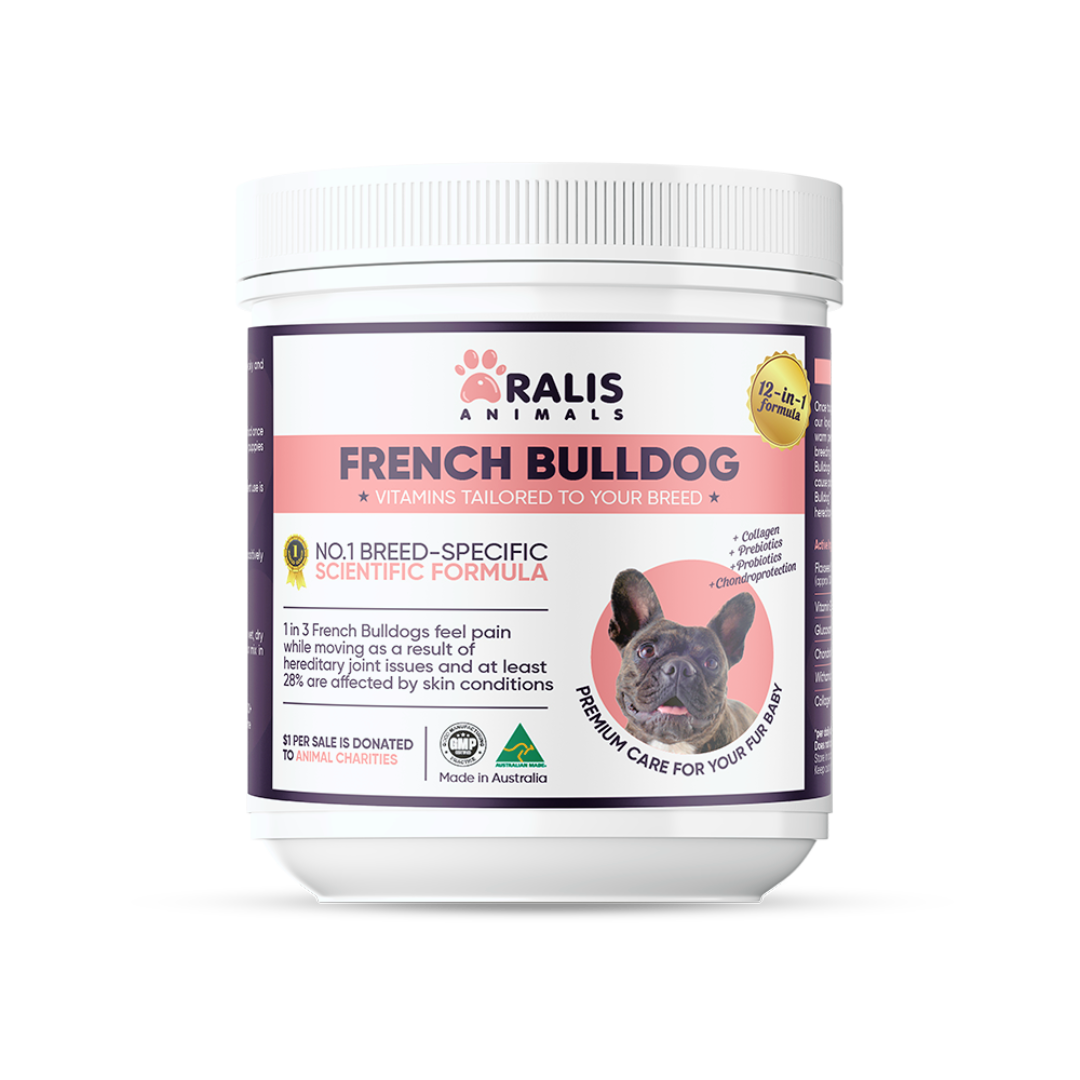
Aralis Animals offers tailored supplement solutions specifically designed to support French Bulldogs with atopic dermatitis and other skin issues. These breed-specific supplements address the unique nutritional needs of French Bulldogs, supporting skin barrier function, reducing inflammation, and promoting overall skin health.
Quality supplements should contain ingredients like omega-3 and omega-6 fatty acids, which are essential for maintaining healthy skin and reducing inflammation. Probiotics support gut health and immune system balance, while antioxidants like vitamins E and C protect skin cells from oxidative damage. Explore our French Bulldog wellness blend here.
Dietary Adjustments
Identifying and eliminating food triggers is crucial for managing atopic dermatitis in French Bulldogs. An elimination diet, conducted under veterinary guidance, can help identify specific food sensitivities. Many owners find that switching to limited-ingredient diets or novel protein sources reduces their Frenchie's symptoms significantly.
High-quality, whole-food-based diets that support gut health are particularly beneficial. Adding omega-3 rich foods like fish or flaxseed can provide additional anti-inflammatory support.
Natural Remedies
Several natural remedies can provide relief for dogs with atopic dermatitis. Oatmeal baths can soothe irritated skin and reduce itching. Coconut oil, applied topically or added to food, has anti-inflammatory and antimicrobial properties. Quercetin, a natural antihistamine found in certain plants, can help reduce allergic responses.
When to Consult a Veterinarian
While natural support is valuable, it's essential to work with your veterinarian to develop a comprehensive management plan. Your vet can perform allergy testing, rule out other conditions, and recommend appropriate treatments. In some cases, prescription medications or therapeutic shampoos may be necessary alongside natural support.
Prevention and Management Tips
Environmental Control
Minimize your French Bulldog's exposure to environmental allergens by regularly cleaning bedding, using air purifiers, and maintaining appropriate humidity levels. During high pollen seasons, limit outdoor time during peak pollen hours and rinse your dog's coat after outdoor activities.
Regular Grooming Practices
Establish a consistent grooming routine that includes regular bathing with gentle, hypoallergenic shampoos and thorough drying, particularly in skin folds. Regular grooming helps remove allergens from the coat and allows you to monitor skin condition closely.
Long-Term Wellness Strategies
Implement a comprehensive wellness approach that includes consistent supplementation, dietary management, environmental control, and regular veterinary monitoring. Maintain detailed records of flare-ups and potential triggers to help identify patterns and adjust management strategies accordingly.
Conclusion
Canine atopic dermatitis in French Bulldogs is a manageable condition that requires a comprehensive, proactive approach. By understanding the causes, recognizing symptoms early, and implementing natural support strategies alongside veterinary guidance, you can significantly improve your Frenchie's comfort and quality of life. Breed-specific supplements from Aralis Animals, combined with dietary adjustments, environmental control, and proper grooming, provide a powerful toolkit for managing this common condition. Remember that every French Bulldog is unique, and what works for one may not work for another. Work closely with your veterinarian and remain patient as you develop the optimal management strategy for your beloved companion. With dedication and the right support, your French Bulldog can enjoy a comfortable, happy life despite their predisposition to atopic dermatitis.