


French Bulldog Health Guide: Gut Health, Skin Support and Daily Multivitamins Explained

French Bulldogs are beloved companions known for their distinctive appearance and affectionate nature. However, these charming dogs are prone to specific health challenges that require dedicated attention and care. At Aralis Animals, we understand that every breed has unique nutritional needs, and bulldogs are no exception. This comprehensive guide explores the critical aspects of bulldog health, focusing on gut health, skin support, and the importance of daily multivitamins to keep your furry friend thriving.
Understanding French Bulldog Health Issues
French bulldogs face a variety of health concerns that distinguish them from other breeds. These compact, muscular dogs have been selectively bred for their distinctive features, which unfortunately can predispose them to certain health problems. Understanding these issues is the first step toward providing your bulldog with the best possible care.
Common French Bulldog Health Problems
French bulldog health problems are numerous and varied. One of the most prevalent issues is their susceptibility to respiratory difficulties due to their brachycephalic (flat-faced) structure. This anatomical feature can lead to breathing challenges, especially during exercise or in hot weather. Additionally, bulldogs are prone to joint problems, including hip dysplasia and arthritis, which can significantly impact their mobility and quality of life.
Ear infections are another common concern for bulldog owners. The breed's floppy ears create a warm, moist environment that bacteria and yeast thrive in. Regular cleaning and proper ear care are essential preventive measures. Furthermore, bulldogs often struggle with weight management, which can exacerbate joint problems and other health issues.
French Bulldog Allergies
French bulldog allergies represent one of the most frustrating health challenges for owners. These allergies can manifest in various ways, from itching and scratching to digestive upset. Food allergies are particularly common in bulldogs, with chicken, beef, wheat, and corn being frequent culprits. Environmental allergies to pollen, dust mites, and mold can also trigger uncomfortable reactions.
The relationship between allergies and skin health is particularly important in bulldogs. When allergies go unmanaged, they can lead to secondary skin infections and chronic inflammation. This is where a comprehensive approach to health, including proper nutrition and supplementation, becomes invaluable.
The Critical Role of Gut Health
Gut health is the foundation of overall wellness in bulldogs. The digestive system plays a crucial role in nutrient absorption, immune function, and even skin health. A healthy gut microbiome supports the production of essential nutrients and helps maintain the integrity of the intestinal barrier, which is vital for preventing harmful substances from entering the bloodstream.
Probiotics for Dogs: Nature's Digestive Support
Probiotics for dogs have gained significant attention in recent years, and for good reason. These beneficial bacteria help maintain a balanced microbiome, which is essential for optimal digestive function. For bulldogs, probiotics can be particularly beneficial in managing food sensitivities and reducing inflammation in the gut.
A healthy gut microbiome supports the production of short-chain fatty acids, which nourish the intestinal lining and promote overall digestive health. Additionally, probiotics help strengthen the gut barrier, reducing the likelihood of food particles triggering immune responses that manifest as allergies or skin issues.
When selecting probiotics for your bulldog, look for products specifically formulated for dogs with multiple strains of beneficial bacteria. The most effective probiotic supplements contain strains such as Lactobacillus and Bifidobacterium, which have been scientifically shown to support canine digestive health.
Gut Health and Skin Connection
The connection between gut health and skin is profound and often overlooked by pet owners. This relationship, sometimes referred to as the gut-skin axis, demonstrates that digestive health directly influences skin condition. When the gut microbiome is imbalanced, it can lead to increased intestinal permeability, often called leaky gut syndrome. This condition allows bacterial lipopolysaccharides and other inflammatory compounds to enter the bloodstream, triggering systemic inflammation that manifests as skin problems.
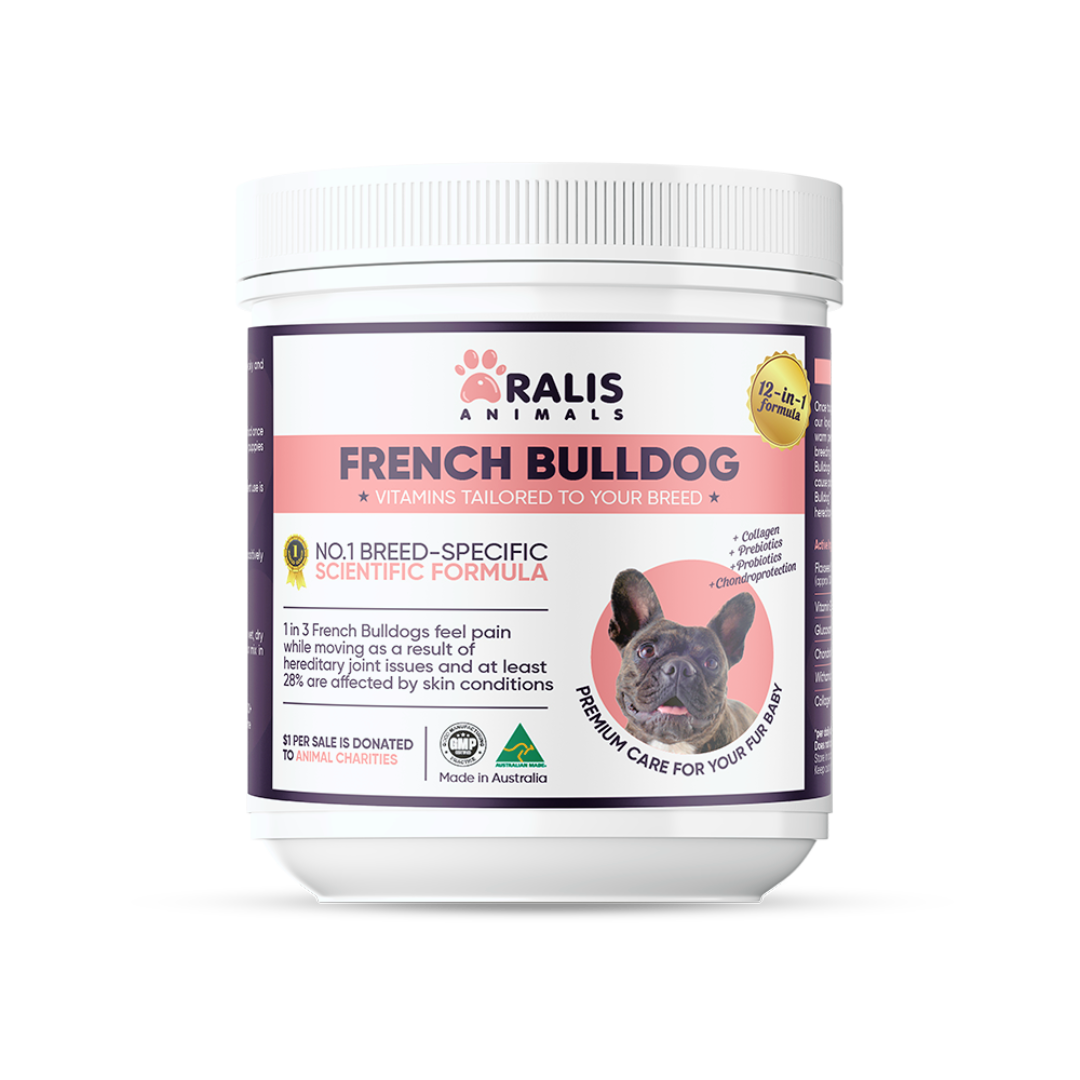
For bulldogs prone to french bulldog skin issues, addressing gut health should be a primary focus. By supporting a healthy microbiome through probiotics and proper nutrition, you can reduce inflammation throughout the body, including the skin. Many bulldog owners report significant improvements in their dog's skin condition after implementing a comprehensive gut health protocol. Supporting this daily doesn’t need to be complicated. A breed-specific multivitamin that combines probiotics, skin-loving omegas, and immune-support nutrients like the blends from Aralis Animals can simplify your Frenchie’s routine while addressing the root cause from within. You’re welcome to explore the formula here if it feels like a good fit.
Addressing French Bulldog Skin Issues
Skin health is a major concern for many bulldog owners. The breed's wrinkled skin, while adorable, creates areas where moisture and bacteria can accumulate, leading to infections and irritation. Additionally, bulldogs' short coats don't provide as much protection against environmental irritants as longer-haired breeds.
Dog Skin Allergies: Causes and Solutions
Dog skin allergies in bulldogs can stem from various sources, including food sensitivities, environmental allergens, and parasites. The symptoms often include excessive scratching, redness, hair loss, and in severe cases, open sores and infections. Identifying the root cause of skin allergies is essential for effective treatment.
Food allergies typically develop gradually and may not be immediately obvious. Common signs include itching around the ears, paws, and face, as well as chronic ear infections. Environmental allergies, on the other hand, often appear seasonally and may be accompanied by respiratory symptoms.
To address dog skin allergies effectively, a multi-pronged approach is necessary. This includes identifying and eliminating allergens from the diet, maintaining proper skin hygiene, and supporting the immune system through targeted supplementation. Omega-3 fatty acids, for instance, have powerful anti-inflammatory properties that can help reduce skin inflammation and itching.
The Importance of Daily Multivitamins
A daily multivitamin for dogs serves as nutritional insurance, ensuring your bulldog receives all the essential vitamins and minerals necessary for optimal health. Even with a high-quality diet, gaps in nutrition can occur, particularly when managing specific health conditions like allergies or digestive issues.
Best Multivitamin for Dogs
When searching for the best multivitamin for dogs, particularly for bulldogs, several factors should be considered. The supplement should be specifically formulated for dogs and ideally tailored to the breed's unique needs. Look for products that include essential vitamins such as A, D, E, and B-complex vitamins, as well as important minerals like zinc, selenium, and copper.
For bulldogs, a quality multivitamin should also include joint-supporting ingredients like glucosamine and chondroitin, given the breed's predisposition to joint problems. Additionally, skin-supporting nutrients such as biotin and omega fatty acids are particularly valuable for maintaining healthy skin and coat.
The best multivitamin for dogs will also contain antioxidants like vitamin C and E, which help combat free radicals and support immune function. This is especially important for bulldogs, whose immune systems may be compromised by chronic allergies or digestive issues.
Creating a Comprehensive Health Protocol
Addressing bulldog health requires a holistic approach that combines proper nutrition, targeted supplementation, and preventive care. Here's how to create an effective health protocol for your French bulldog:
Step One: Assess Your Bulldog's Current Health
Begin by evaluating your bulldog's current health status. Are they experiencing digestive issues, skin problems, or joint discomfort? Understanding their specific challenges will help you tailor your supplementation strategy.
Step Two: Optimize Diet
Feed a high-quality, breed-appropriate diet that minimizes common allergens. Consider working with a veterinary nutritionist to develop a diet plan that addresses your bulldog's specific needs.
Step Three: Implement Gut Health Support
Introduce a quality probiotic supplement to support digestive health and strengthen the gut barrier. This foundational step can have cascading benefits for overall health, including skin condition.
Step Four: Add Targeted Supplements
Based on your bulldog's specific health challenges, add targeted supplements such as omega-3 fatty acids for skin health, glucosamine for joint support, and a comprehensive daily multivitamin.
Step Five: Monitor and Adjust
Track your bulldog's progress and adjust your supplementation protocol as needed. Many improvements take several weeks to become apparent, so patience is essential.
Conclusion
Bulldog health requires dedication and a comprehensive approach that addresses the breed's unique vulnerabilities. By focusing on gut health through probiotics, supporting skin health with targeted nutrients, and ensuring complete nutrition with a quality daily multivitamin, you can significantly improve your French bulldog's quality of life. At Aralis Animals, we're committed to providing breed-specific supplements that elevate your pet's health and help them thrive. Remember, every bulldog is unique, so working with your veterinarian to develop a personalized health plan is always the best approach.