


Border Collie Health Problems: What Every Owner Should Watch For

Border Collies are renowned for their intelligence, agility, and unwavering loyalty. These remarkable dogs have captured the hearts of countless families and working professionals around the world. However, like all dog breeds, border collies are susceptible to specific health problems that every responsible owner should understand. Being aware of potential border collie health issues allows you to take proactive steps in caring for your beloved companion and ensuring they live a long, healthy, and fulfilling life.
The border collie dog breed has been selectively bred for herding capabilities for generations, which has resulted in a generally hardy and athletic breed. Nevertheless, this selective breeding has also concentrated certain genetic predispositions to health conditions. Understanding these common border collie health problems is essential for anyone considering bringing one of these intelligent dogs into their home or for current owners seeking to optimize their pet's wellbeing.
Common Border Collie Health Issues
Border Collies are prone to several inherited health conditions that potential and current owners should be familiar with. By recognizing these issues early, you can work with your veterinarian to manage them effectively and maintain your dog's quality of life.
Hip Dysplasia
One of the most prevalent border collie health problems is hip dysplasia. This condition occurs when the hip joint doesn't develop properly, leading to instability and eventual arthritis. Hip dysplasia can range from mild to severe, and affected dogs may experience pain, lameness, or difficulty moving, particularly after exercise or rest.
The severity of dog hip dysplasia treatment depends on the degree of the condition. Mild cases may be managed through weight management, controlled exercise, and anti-inflammatory medications. More severe cases might require surgical intervention. Regular screening through X-rays can help identify hip dysplasia early, allowing for timely intervention and management strategies.
Collie Eye Anomaly
Eye problems represent another significant concern among border collies. Collie Eye Anomaly is a congenital condition that affects the development of the eye's back layers. While some dogs may experience minimal vision problems, others can develop more serious complications, including blindness. This condition is present from birth, though symptoms may not become apparent until later in life.
Regular eye examinations by a veterinary ophthalmologist can help monitor this condition. Responsible breeders typically screen their breeding stock for this condition to reduce its prevalence in future generations.
Epilepsy
Epilepsy is a neurological disorder that causes recurring seizures in affected border collies. This condition can be frightening for owners to witness, but with proper medication and management, many dogs with epilepsy can live normal, happy lives. If your border collie experiences seizures, it's crucial to work with your veterinarian to develop an appropriate treatment plan.
Skin Issues and Allergies
Border Collies frequently experience skin problems and allergies, making this one of the most common dog allergies issues seen in the breed. Understanding these conditions can help you identify problems early and seek appropriate treatment.
Understanding Common Dog Allergies
Common dog allergies in Border Collies can stem from various sources, including food ingredients, environmental factors, and parasites. Food allergies might develop in response to specific proteins or grains, while environmental allergies can be triggered by pollen, dust mites, or mold. Flea allergy dermatitis is another common concern, where dogs react severely to flea saliva.
Identifying the specific allergen causing your border collie's reaction is essential for effective management. Your veterinarian may recommend elimination diets, allergy testing, or environmental modifications to help pinpoint the culprit.
Dog Skin Issues and Symptoms
Dog skin issues in Border Collies often manifest as itching, redness, hair loss, and secondary infections. You might notice your dog excessively scratching, licking, or chewing at their skin. Some border collies develop hot spots, which are areas of inflamed, infected skin that can develop rapidly.
Regular grooming and inspection of your dog's skin can help you catch problems early. Look for any unusual redness, bumps, or areas of hair loss. Maintaining good hygiene and keeping your dog's coat clean and dry can help prevent many skin issues.
Prevention and Management Strategies
Preventing dog skin issues involves maintaining a healthy diet rich in omega-3 and omega-6 fatty acids, which support skin health. Regular bathing with gentle, hypoallergenic shampoos can help manage symptoms. Keeping your border collie's environment clean and free from potential allergens is also important.
If your dog develops skin problems, your veterinarian might recommend medicated shampoos, topical treatments, or oral medications. In some cases, dietary supplements specifically formulated for skin health can provide additional support.
Joint Health for Dogs
Border Collies are active, energetic dogs that require substantial physical activity. This high activity level, combined with their genetic predisposition to certain joint problems, makes joint health for dogs a critical concern for this breed.
Joint Problems in Active Breeds
The constant activity and athleticism that define Border Collies can take a toll on their joints over time. Repetitive stress from running, jumping, and herding activities can accelerate joint wear and tear. Additionally, the breed's genetic predisposition to hip dysplasia means that joint problems may develop earlier in life compared to some other breeds.
Maintaining appropriate exercise levels and avoiding excessive jumping or high-impact activities, particularly in young dogs whose joints are still developing, can help protect long-term joint health.
Dog Hip Dysplasia Treatment Options
Dog hip dysplasia treatment varies depending on severity. Conservative management includes weight control, restricted exercise, and pain management through non-steroidal anti-inflammatory drugs. Physical therapy and controlled swimming can help maintain muscle strength without stressing the joints.
For severe cases, surgical options such as hip replacement or femoral head ostectomy may be recommended. These procedures can significantly improve quality of life for severely affected dogs.
Supplements for Joint Support
Breed-specific supplements can play an important role in supporting joint health. Glucosamine and chondroitin are well-known joint support ingredients that help maintain cartilage integrity. Omega-3 fatty acids have anti-inflammatory properties that can benefit joint health. Green-lipped mussel and MSM are additional ingredients that many owners find beneficial for their dogs' joint support.
Aging Dog Care
As your Border Collie enters their senior years, typically around age seven or eight, their health needs change. Proper aging dog care ensures your companion remains comfortable and active throughout their golden years.
Health Changes as Border Collies Age
Senior Border Collies may experience decreased mobility, reduced hearing and vision, cognitive changes, and increased susceptibility to certain health conditions. Arthritis becomes more common, and dogs may have difficulty with stairs or jumping. Incontinence can develop, and some dogs experience cognitive dysfunction, similar to dementia in humans.
Regular veterinary checkups become even more important during this life stage, as early detection of age-related conditions can help manage them more effectively.
Senior Dog Nutrition and Exercise
Aging dogs often require different nutritional profiles than younger adults. Senior dog formulas typically contain fewer calories to prevent obesity, which can exacerbate joint problems. Increased fiber can help with digestive health, while joint-supporting supplements become increasingly valuable.
Exercise remains important for senior dogs, but it should be adjusted to their capabilities. Shorter, more frequent walks may be better tolerated than long outings. Swimming and controlled play help maintain muscle mass without excessive joint stress.
Regular Veterinary Checkups
Senior Border Collies should visit the veterinarian at least twice yearly. These checkups allow your vet to monitor for age-related conditions, adjust medications as needed, and catch problems early when they're most treatable.
Breed-Specific Supplements
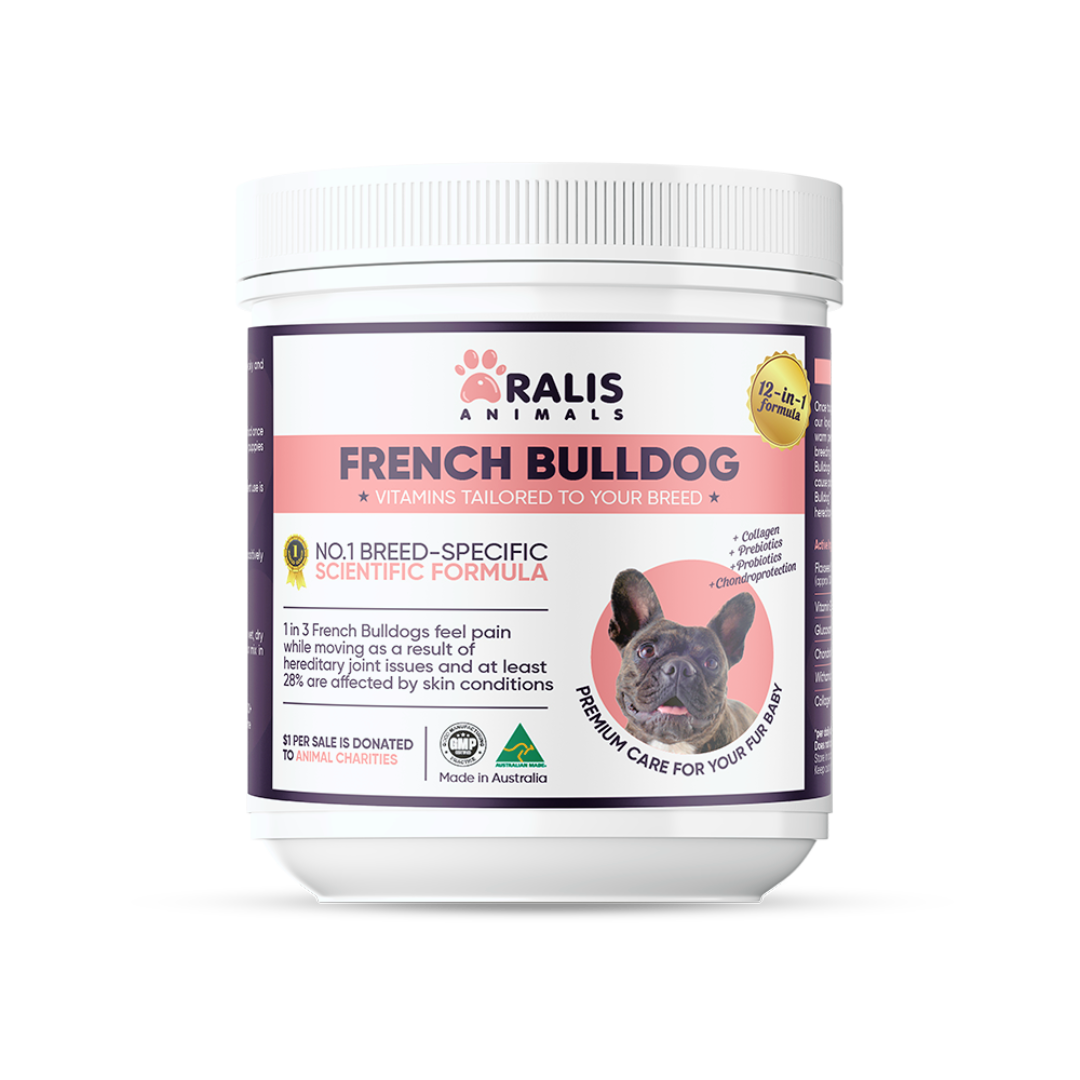
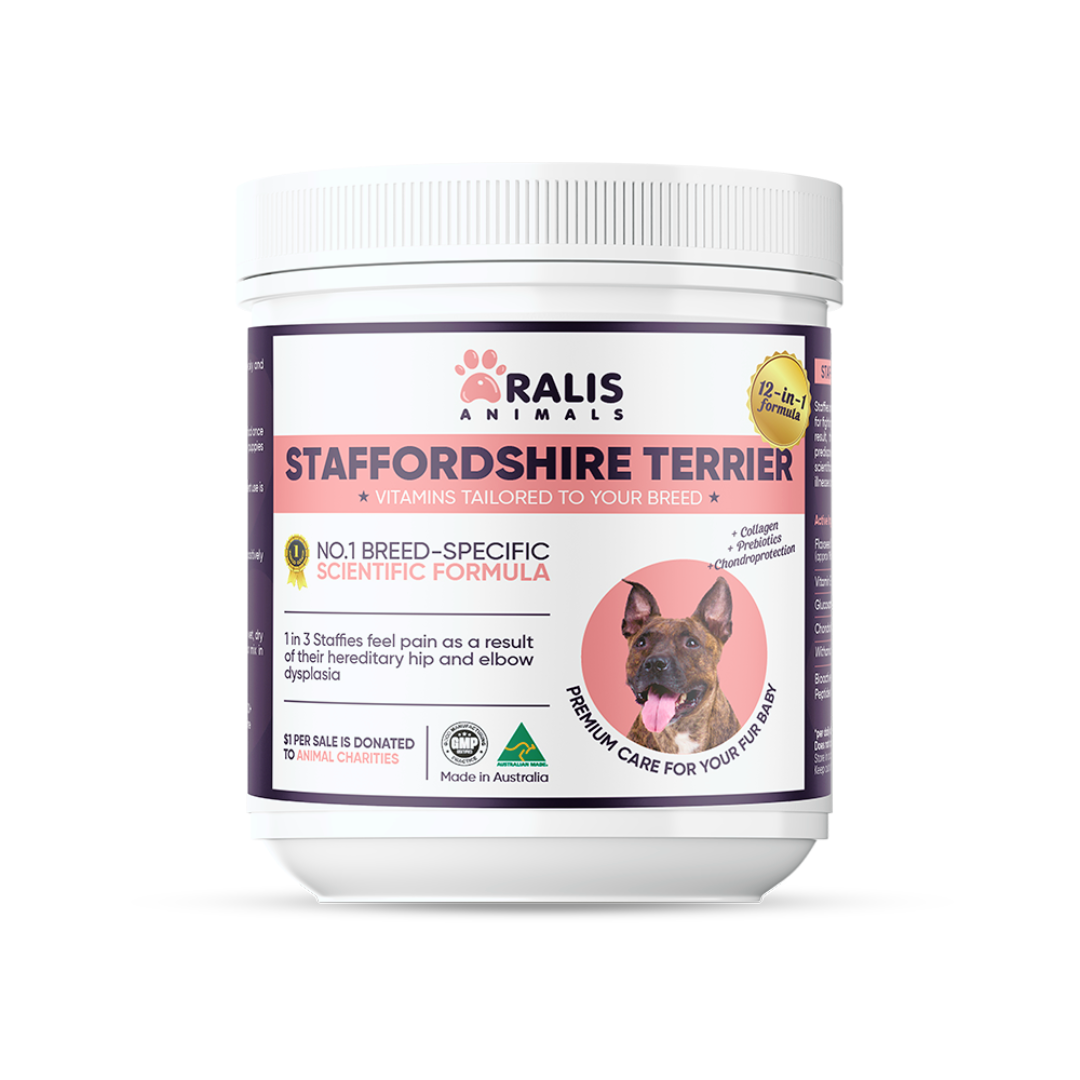
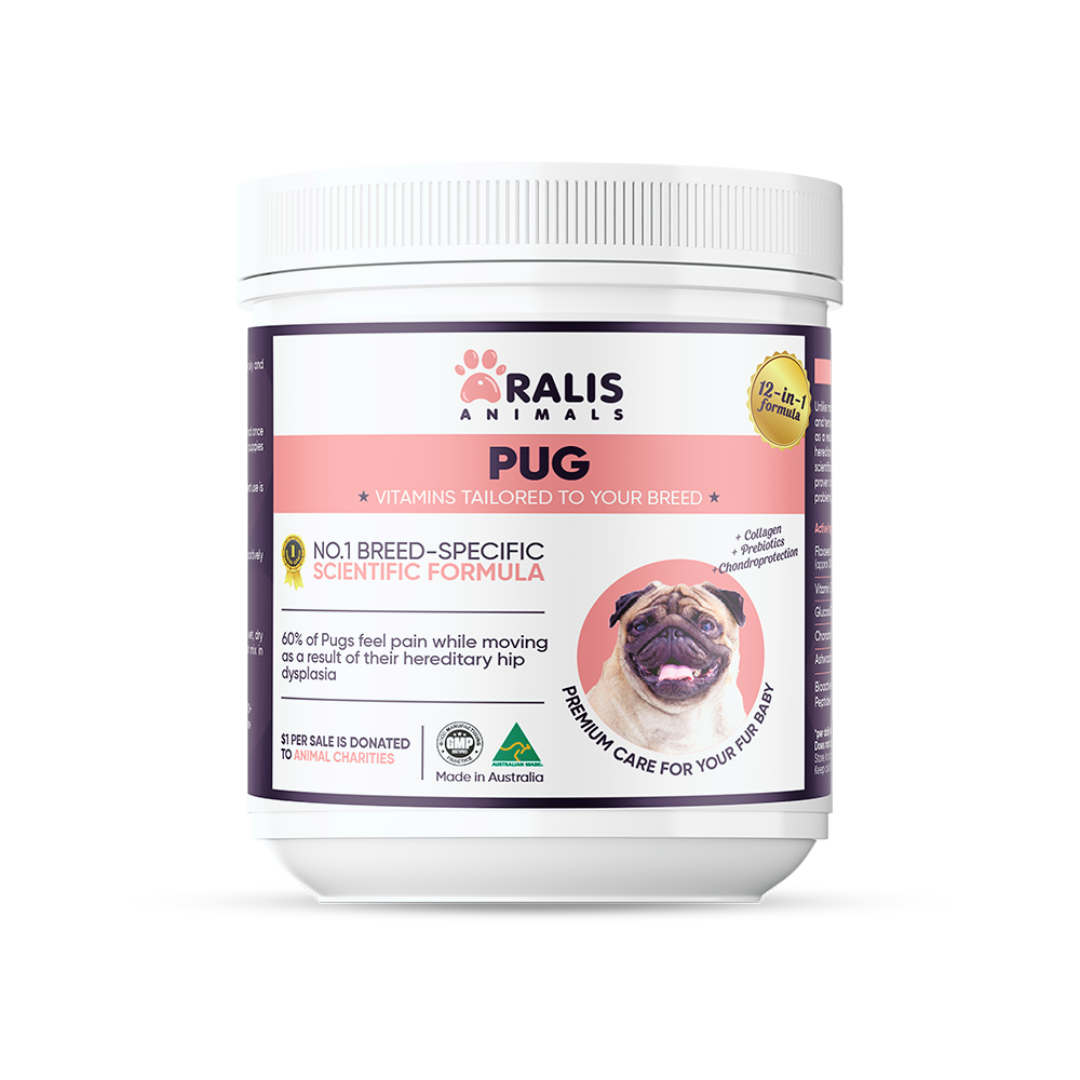
Aralis Animals understands that Border Collies have unique health needs. Their breed-specific supplements are tailored to address the particular health challenges that Border Collies face throughout their lives. These targeted solutions provide essential nutrients and compounds specifically selected to support the health concerns most relevant to the breed.
Border Collies thrive when their joints are supported throughout every stage of life. Our Aralis Animals Border Collie multivitamins combine Glucosamine, Chondroitin, Collagen, Hyaluronic Acid, and Turmeric to help support mobility, flexibility, and long-term joint comfort, making them an ideal addition to your dog's daily wellness routine—explore proactive joint support for active Border Collies here.
Quality supplements can complement your veterinary care and help maintain optimal health. Whether addressing joint concerns, skin health, or overall wellness, choosing supplements formulated specifically for Border Collies ensures your dog receives appropriate support.
Preventative Care Tips
Taking a proactive approach to your Border Collie's health can prevent many problems from developing or worsening.
Diet and Nutrition
Feeding a high-quality diet appropriate for your dog's age and activity level is fundamental. Look for foods with quality protein sources and balanced omega-3 to omega-6 ratios. Avoid overfeeding, as obesity can exacerbate joint problems and other health issues.
Exercise and Mental Stimulation
Border Collies require substantial daily exercise and mental stimulation. These intelligent dogs thrive when given jobs to do, whether herding, agility training, or puzzle games. Adequate exercise prevents behavioral problems and supports overall health.
Regular Health Monitoring
Perform regular health checks at home. Examine your dog's skin and coat, check their ears for infections, monitor their weight, and observe their mobility and behavior. These observations help you catch problems early.
Conclusion
Border Collie health problems are manageable when owners remain informed and proactive. By understanding common border collie health issues, recognizing early warning signs, and implementing preventative care strategies, you can help your beloved companion live a long, healthy life. Regular veterinary care, appropriate nutrition, quality supplements from trusted sources like Aralis Animals, and consistent monitoring form the foundation of excellent border collie care. Your commitment to understanding and addressing your dog's health needs demonstrates the deep bond you share with your intelligent, loyal companion.