


Best Prebiotics for Gut Health in Dogs: What to Look For

Your dog's digestive health is the foundation of their overall wellness, and understanding the role of prebiotics can transform how you care for your beloved companion. Many pet owners focus on what their dogs eat, but few consider the microscopic ecosystem living in their pet's gut. This ecosystem, known as the microbiome, plays a crucial role in everything from immunity to energy levels. Prebiotics for dogs have emerged as a scientifically-backed solution to support this vital system, and learning what to look for can help you make informed decisions about your pet's health.
What Are Prebiotics?
Prebiotics are specialized plant fibers that act as food for the beneficial bacteria already living in your dog's digestive tract. Unlike probiotics, which are live beneficial bacteria themselves, prebiotics work by selectively stimulating the growth and activity of existing good bacteria. This distinction is important because it means prebiotics create an environment where your dog's natural gut flora can thrive.
When you introduce prebiotics for gut health into your dog's diet, these fibers pass through the small intestine largely undigested and reach the colon, where they ferment and feed beneficial bacteria like Lactobacillus and Bifidobacterium. This fermentation process produces short-chain fatty acids that nourish the intestinal lining and support overall digestive function.
The difference between prebiotics and probiotics for dogs is fundamental to understanding canine nutrition. While probiotics introduce new beneficial bacteria, prebiotics create the ideal conditions for existing bacteria to multiply and flourish. Many veterinarians recommend using both prebiotics and probiotics for dogs together, as they work synergistically to optimize gut health. Prebiotics essentially prepare the ground, making it more hospitable for beneficial bacteria to establish themselves and thrive.
Why Gut Health Matters for Dogs
Your dog's gut is far more than just a digestive organ—it's a complex system that influences nearly every aspect of their health. A healthy canine microbiome supports proper digestion, nutrient absorption, and the production of essential vitamins like B vitamins and vitamin K. Beyond digestion, gut health directly impacts your dog's immune system, as approximately 70% of immune function originates in the gut.
When your dog's gut microbiome is balanced, beneficial bacteria produce compounds that strengthen the intestinal barrier, preventing harmful pathogens from entering the bloodstream. This protective function is crucial for preventing infections and inflammatory conditions. Additionally, a healthy gut microbiome influences your dog's mood and behavior through the gut-brain axis, a bidirectional communication system between the digestive system and the brain.
Signs of poor gut health in dogs include chronic diarrhea or constipation, excessive gas, bloating, poor coat quality, itchy skin, low energy levels, and frequent infections. If your dog exhibits any of these symptoms, it may indicate that their gut microbiome needs support. This is where gut prebiotics and supplements become invaluable tools for restoring balance and promoting wellness.
Key Ingredients to Look For
When selecting a prebiotic supplement for your dog, understanding the specific ingredients is essential. The most common and well-researched prebiotic types include inulin, fructooligosaccharides (FOS), and partially hydrolyzed guar gum (PHGG). Inulin, derived from chicory root or Jerusalem artichokes, is particularly effective at promoting the growth of beneficial bacteria and has been extensively studied in veterinary nutrition.
Fructooligosaccharides, another popular prebiotic, are shorter-chain carbohydrates that ferment quickly in the colon, providing rapid benefits to your dog's gut health. PHGG is a soluble fiber that's gentle on sensitive digestive systems and particularly beneficial for dogs with inflammatory bowel conditions.
Quality indicators matter significantly when choosing a prebiotic supplement. Look for products that specify the type and amount of prebiotic ingredients rather than vague descriptions like "digestive support." The best prebiotic supplement should clearly list its active ingredients and their concentrations. Additionally, check for third-party testing certifications, which indicate that the product has been independently verified for quality and purity.
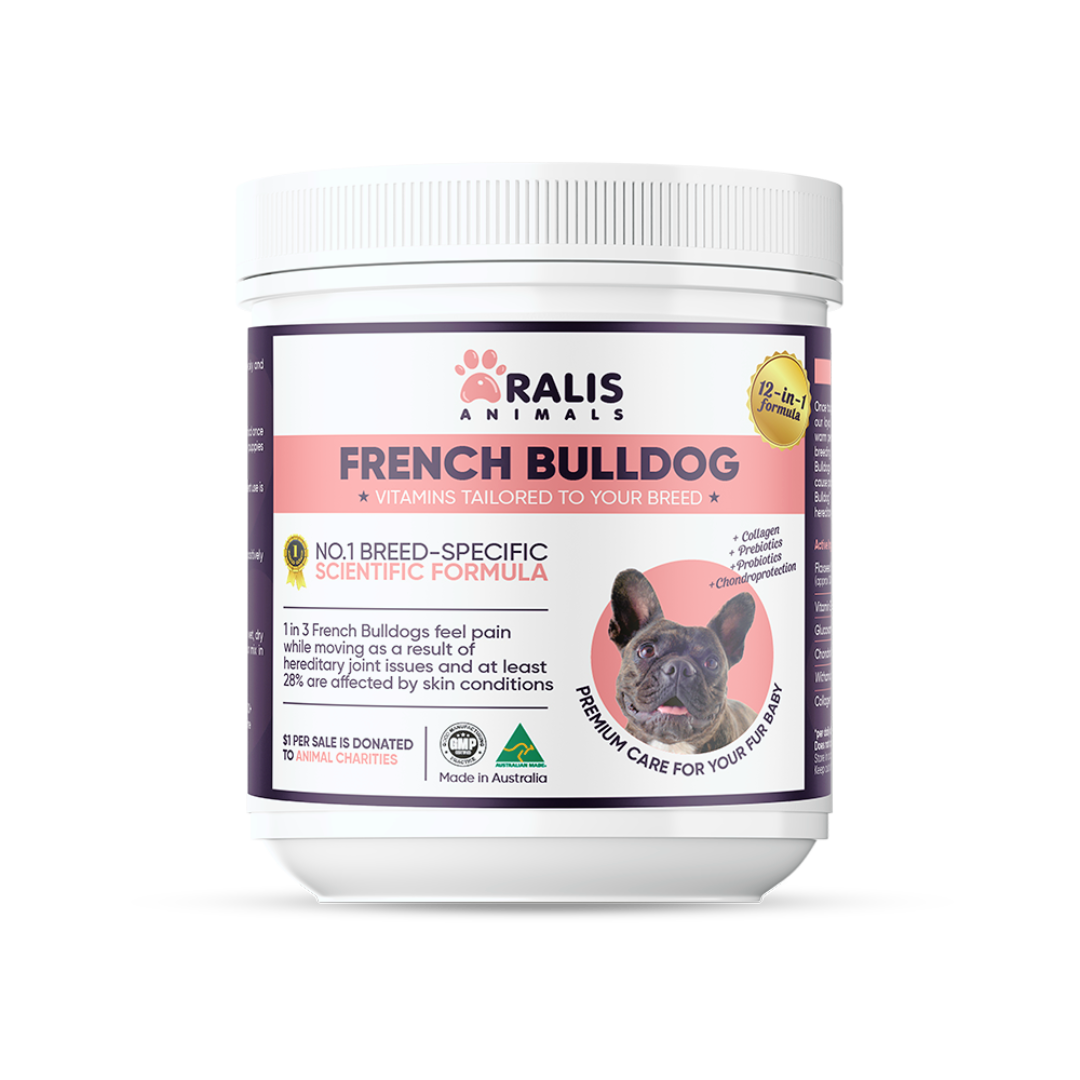
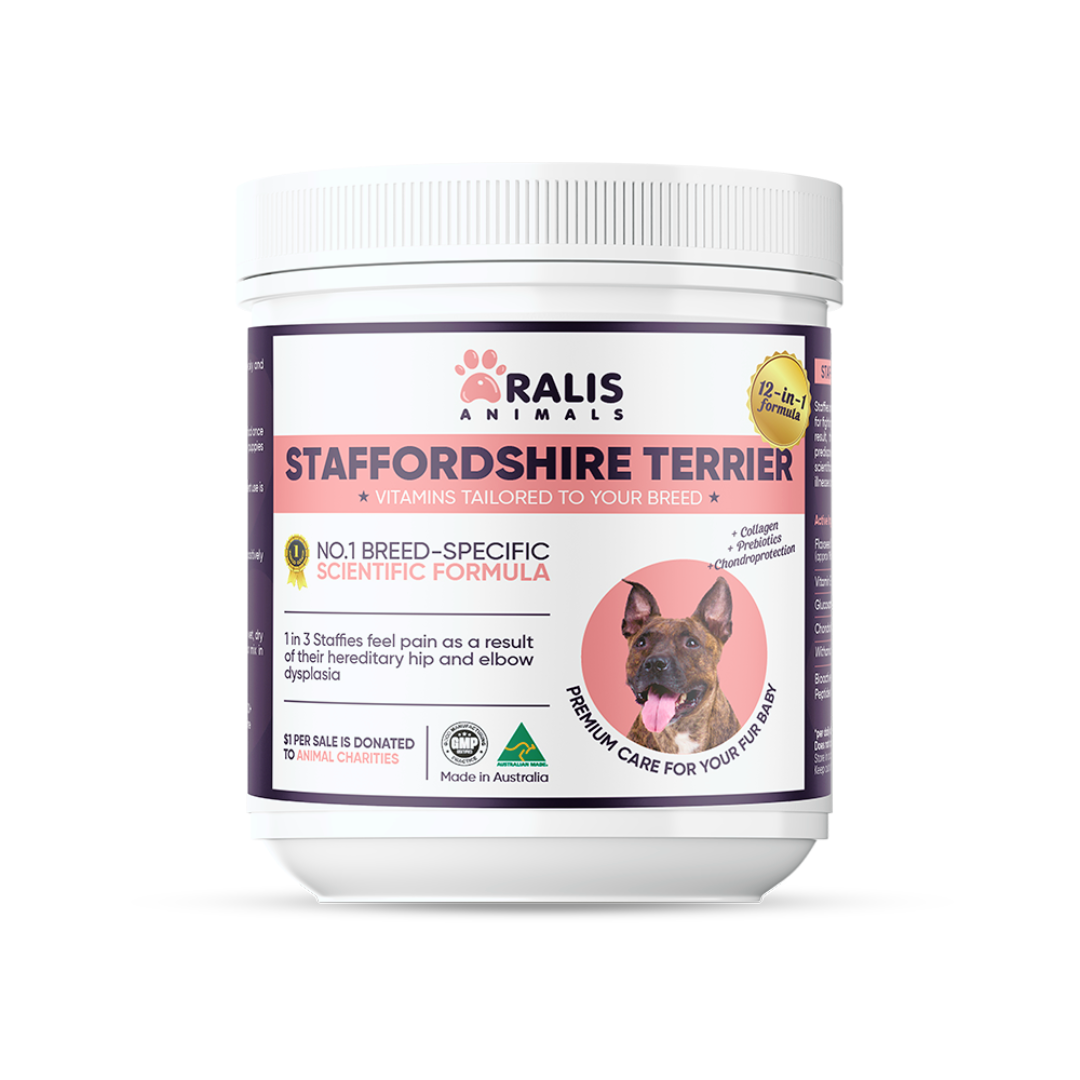
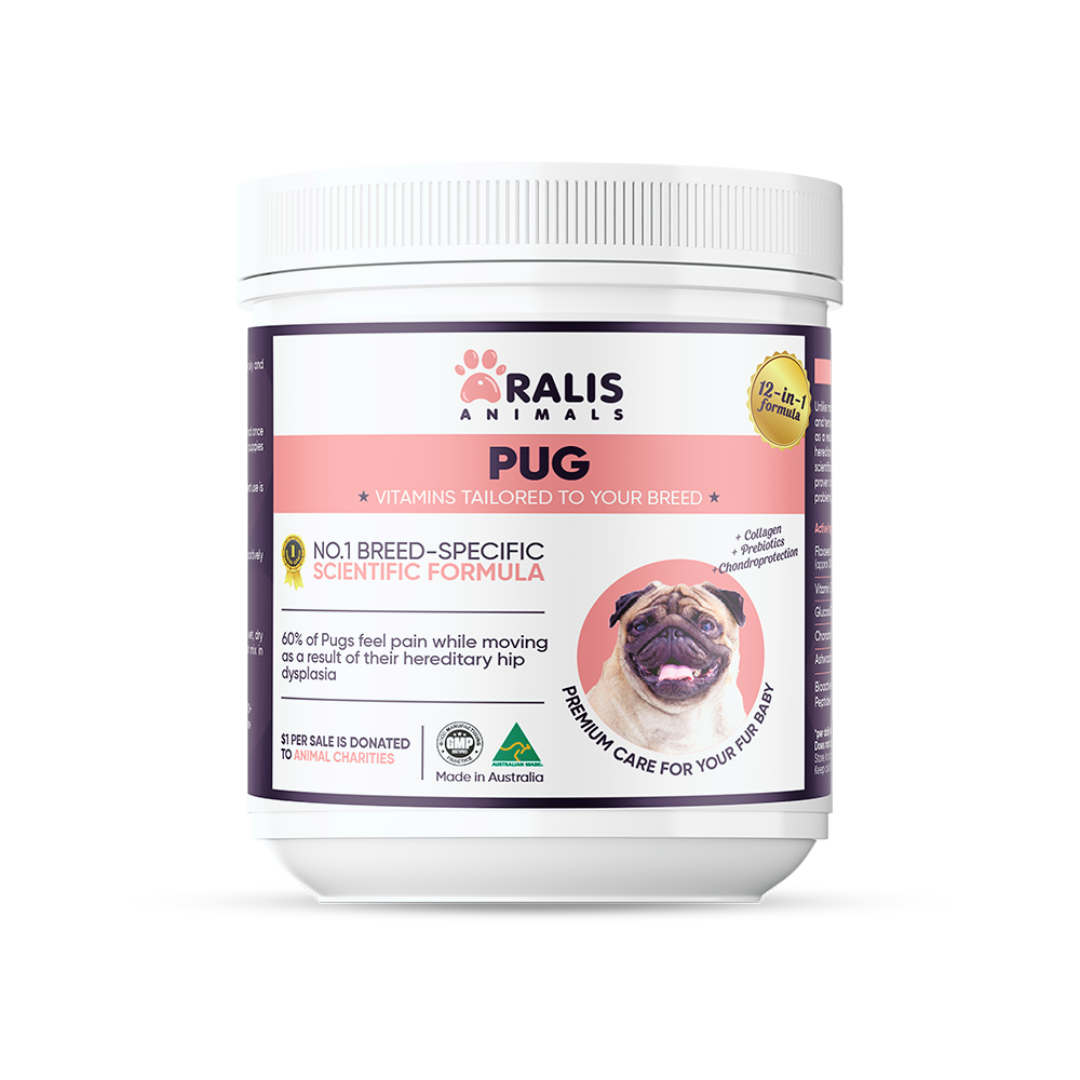
Natural versus synthetic options present another consideration. While natural prebiotics derived from plant sources are generally preferred, some synthetic prebiotics are equally effective and may be more stable in storage. The key is choosing products from reputable manufacturers who prioritize quality and transparency. At Aralis Animals, we focus on breed-specific supplements that combine the most effective prebiotic ingredients with other complementary nutrients tailored to your dog's individual needs.
Benefits of Prebiotics and Probiotics for Dogs
The benefits of prebiotics and probiotics for dogs extend far beyond simple digestive improvement. When your dog's gut microbiome is properly supported, you'll likely notice improved digestion, with more consistent stools and reduced gas or bloating. Many pet owners report that their dogs seem more comfortable and experience fewer digestive upsets after introducing quality prebiotic supplements.
Immune system support represents one of the most significant benefits of maintaining healthy gut flora. A balanced microbiome produces compounds that train and strengthen your dog's immune cells, helping them distinguish between harmful pathogens and harmless substances. This improved immune function can reduce the frequency of infections and allergic reactions.
Coat and skin health often improve dramatically when gut health is optimized. The skin is often called a mirror of internal health, and when the gut microbiome is thriving, your dog's coat becomes shinier, softer, and healthier. Skin conditions like itching and inflammation frequently improve as the gut barrier strengthens and systemic inflammation decreases.
How to Choose the Best Prebiotic Supplement
Selecting the best prebiotic supplement requires careful consideration of several factors. Start by reading labels thoroughly, looking for specific prebiotic ingredients and their amounts. Avoid products with excessive fillers, artificial colors, or flavors. The ingredient list should be short and recognizable, with prebiotics listed as primary components rather than minor additions.
Breed-specific considerations are important because different dog breeds have varying nutritional needs and potential health predispositions. Larger breeds may benefit from prebiotics combined with joint-support ingredients, while smaller breeds might need formulations that address their tendency toward dental issues and digestive sensitivity. Aralis Animals specializes in breed-specific supplements that address these unique needs, ensuring your dog receives exactly what their body requires.
Quality and safety certifications provide peace of mind when selecting supplements. Look for products manufactured in facilities that follow Good Manufacturing Practices (GMP) and have undergone third-party testing. These certifications indicate that the product contains what it claims and is free from harmful contaminants.
Introducing Prebiotics to Your Dog's Diet
Introducing any new supplement requires a gradual transition to allow your dog's digestive system to adjust. Begin with a small portion of the recommended dose and gradually increase over 7-10 days until you reach the full dosage. This gradual introduction helps prevent temporary digestive upset as your dog's microbiome begins to shift.
Dosage guidelines vary depending on your dog's size, age, and current health status. Generally, smaller dogs require less than larger dogs, and senior dogs may benefit from slightly higher doses to support age-related digestive changes. Always follow the manufacturer's recommendations and consult with your veterinarian to determine the appropriate dosage for your specific dog.
When you first introduce prebiotics, you might notice temporary changes in your dog's stool consistency or increased gas production. This is normal and typically resolves within a few days as the beneficial bacteria population adjusts. Most dogs show noticeable improvements in energy, coat quality, and digestive comfort within 2-4 weeks of consistent prebiotic supplementation.
Conclusion
Supporting your dog's gut health through quality prebiotics is one of the most impactful decisions you can make for their long-term wellness. By understanding what prebiotics are, recognizing their importance, and knowing what to look for in a supplement, you're equipped to make informed choices that will benefit your beloved companion for years to come.
The journey to optimal canine health begins in the gut, and prebiotics for dogs provide a scientifically-backed pathway to achieving that goal. Whether your dog is experiencing digestive issues or you simply want to support their overall wellness, incorporating a quality prebiotic supplement into their routine can make a remarkable difference.
We recommend consulting with your veterinarian before introducing any new supplement, as they can provide personalized recommendations based on your dog's specific health needs. At Aralis Animals, we're committed to elevating your pet's health with breed-specific supplements formulated to support digestive wellness and overall vitality. Explore our product range here, designed to support your dog's unique needs, and take the first step towards a healthier, happier companion.