


Allergic Reactions in Dogs: How to Spot Them and When Supplements Can Support Recovery

As pet owners, we want nothing more than to ensure the health and well-being of our beloved canine companions. One common challenge many dog owners face is dealing with allergic reactions, which can manifest in a variety of ways and cause significant discomfort for our furry friends. In this comprehensive guide, we'll explore the common signs of allergic reactions in dogs, the different types of allergies they may face, and how targeted supplements can support their recovery and overall health.
Understanding Dog Allergies
Allergies in dogs are quite common, and they can be triggered by a wide range of environmental factors, dietary components, or even seasonal changes. When a dog's immune system overreacts to a perceived threat, it can lead to a cascade of inflammatory responses, resulting in various symptoms that can range from mild to severe.
Recognizing the early signs of an allergic reaction is crucial, as it allows pet owners to take proactive steps to address the issue and provide their dogs with the necessary support. By understanding the importance of identifying and managing allergic reactions, we can help our canine companions live healthier, more comfortable lives.
Common Signs of Allergic Reactions in Dogs
Allergic reactions in dogs can manifest in a variety of ways, and it's important to be aware of the most common symptoms. These can include:
Skin-Related Symptoms
- Excessive itching, scratching, or licking
- Rashes, hives, or hot spots
- Dry, flaky skin or dandruff
- Ear infections or inflammation
Behavioral Indicators
- Restlessness or difficulty sleeping
- Increased grooming or licking behaviors
- Irritability or changes in mood
Physical Manifestations
- Digestive issues, such as vomiting or diarrhea
- Respiratory problems, like sneezing or wheezing
- Swelling, particularly in the face, ears, or paws
By familiarizing ourselves with these common signs, we can be better equipped to identify and address allergic reactions in our dogs promptly.
Types of Dog Allergies
Dogs can experience different types of allergies, each with its own set of triggers and symptoms. Understanding the various forms of allergies can help us tailor our approach to managing and supporting our canine companions.
Environmental Allergies
Environmental allergies are triggered by substances in the dog's surroundings, such as pollen, dust mites, or certain types of grass or plants. These allergies can be seasonal or year-round, depending on the specific triggers.
Food Allergies
Food allergies are caused by the dog's immune system reacting to certain proteins or ingredients in their diet. Common culprits include beef, dairy, wheat, and soy.
Seasonal Allergies
Seasonal allergies are often related to environmental factors, such as pollen or mold, that fluctuate throughout the year. These allergies may be more prevalent during specific times of the year.
Recognizing the type of allergy your dog is experiencing can help you develop a more targeted approach to managing their symptoms and providing the necessary support.
Identifying Serious Allergy Symptoms
While many allergic reactions in dogs can be managed with proper care and attention, it's important to be aware of the signs that indicate a more serious situation. If your dog exhibits any of the following symptoms, it's crucial to seek immediate veterinary attention:
- Severe swelling, especially in the face, lips, or tongue
- Difficulty breathing or labored breathing
- Vomiting or diarrhea that persists for more than 24 hours
- Lethargy or lack of appetite
These red flags may signal a life-threatening allergic reaction, known as anaphylaxis, which requires prompt medical intervention.
The Role of Supplements in Supporting Allergy Recovery
In addition to addressing the underlying causes of allergies, targeted supplements can play a crucial role in supporting your dog's recovery and overall health. By providing essential nutrients and supporting the immune system, certain supplements can help alleviate the symptoms of allergic reactions and promote long-term well-being.
How Supplements Can Help
Supplements formulated with ingredients like omega-3 fatty acids, antioxidants, and natural anti-inflammatory compounds can help reduce inflammation, soothe irritated skin, and support the body's natural defenses against allergens.
Breed-Specific Supplement Considerations
It's important to note that different dog breeds may have unique nutritional needs and sensitivities. When selecting supplements, it's crucial to choose products that are tailored to your dog's specific breed and health requirements.
Key Nutrients for Allergy Support
Some of the key nutrients that can be beneficial in supporting dogs with allergies include:
- Omega-3 and omega-6 fatty acids, which can help reduce inflammation
- Antioxidants like vitamin C and E, which can bolster the immune system
- Probiotics, which can support gut health and immune function
- Quercetin, a natural anti-inflammatory compound
- Vitamin B-complex, which can aid in skin and coat health
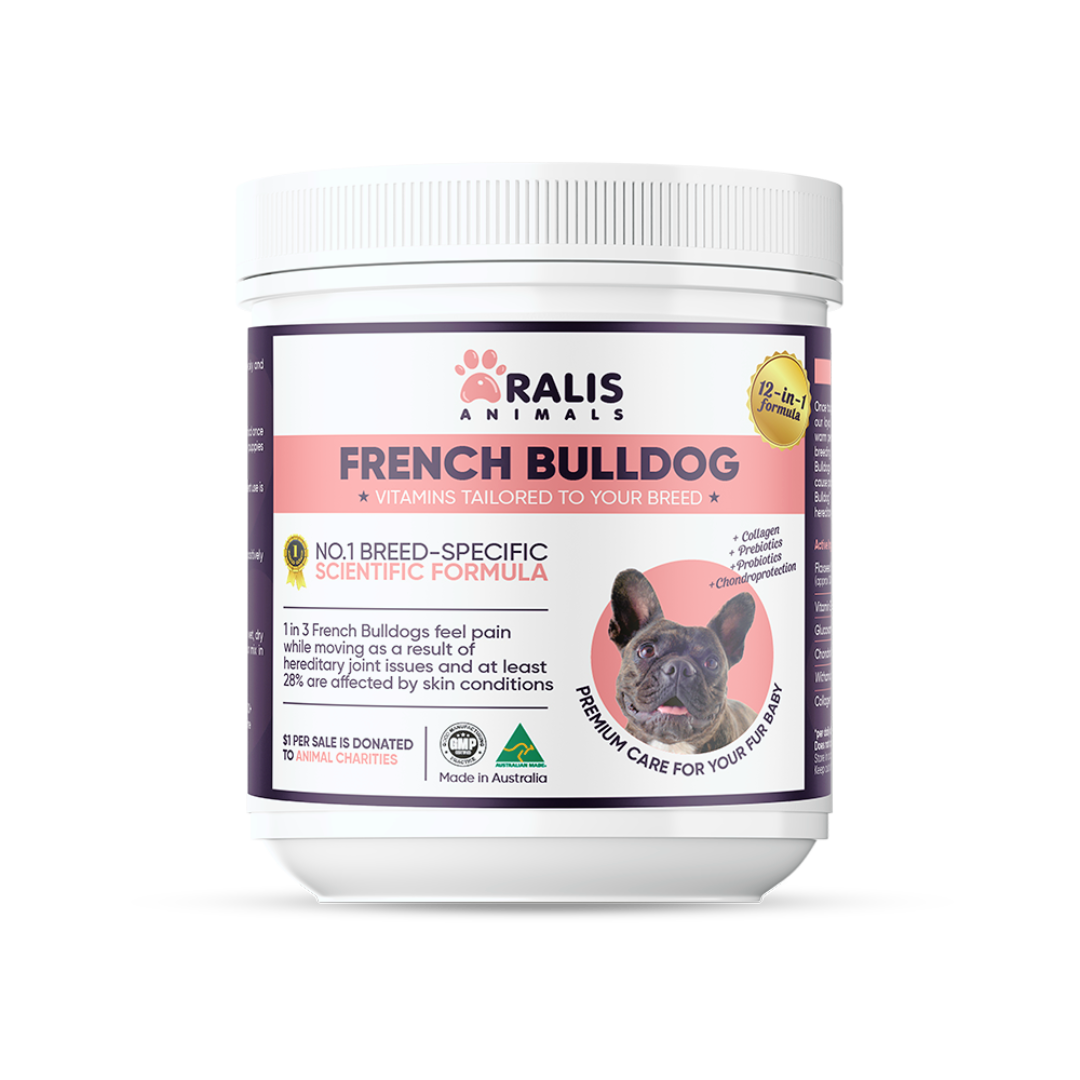
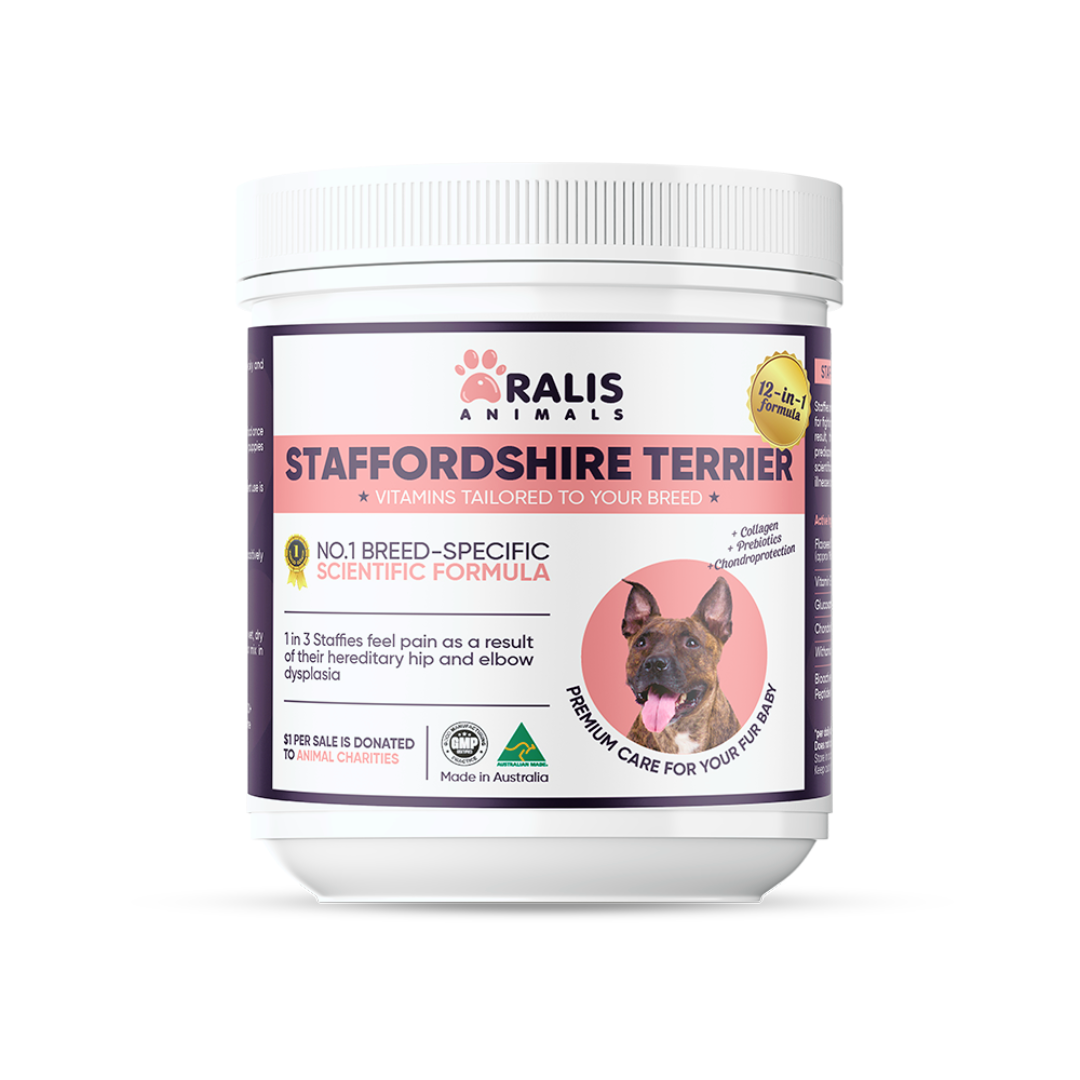
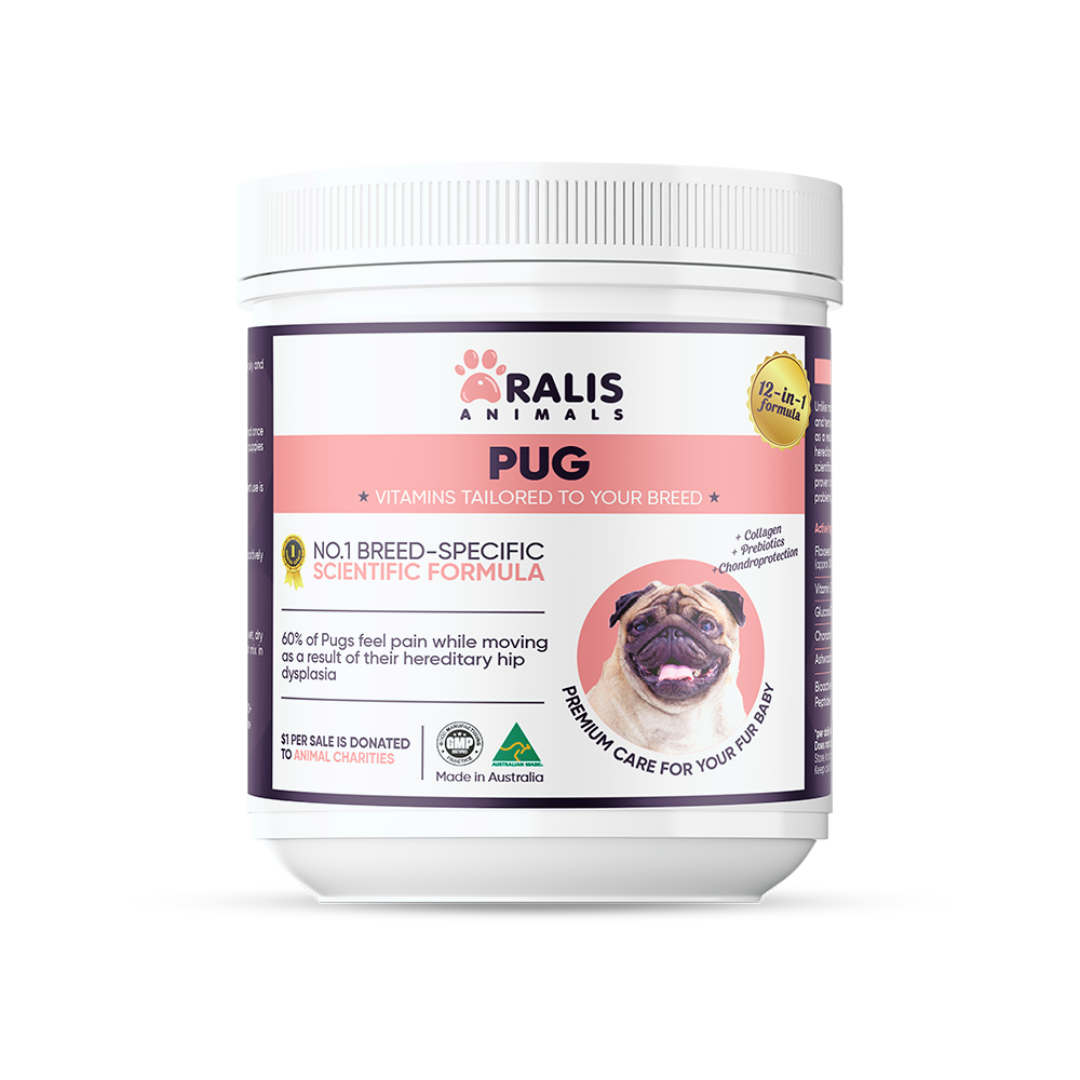
This is where a well-formulated multivitamin can make a real difference. Aralis Animals Multivitamins are thoughtfully crafted with allergy-supportive ingredients such as omega-3 and omega-6 fatty acids, probiotics for gut and immune balance, vitamin B-complex for skin health, and antioxidants like vitamins C and E to help calm inflammatory responses offering daily support for dogs prone to allergic reactions. You can explore Aralis Animals Multivitamins as part of a proactive, long-term approach to managing allergies from the inside out.
Prevention and Management Strategies
In addition to the use of supplements, there are several proactive steps you can take to help prevent and manage your dog's allergic reactions:
Environmental Control
Minimizing your dog's exposure to known allergens, such as pollen or dust mites, can help reduce the frequency and severity of their reactions. This may involve using air purifiers, regularly washing bedding, and limiting time outdoors during peak allergy seasons.
Diet Modifications
Switching to a hypoallergenic or limited-ingredient diet can be beneficial for dogs with food allergies. Consult with your veterinarian to determine the best dietary approach for your canine companion.
Holistic Approach to Dog Health
Adopting a comprehensive, holistic approach to your dog's health can also help manage allergies. This may include regular exercise, stress management techniques, and a focus on overall well-being.
Conclusion
Allergic reactions in dogs can be a challenging and often frustrating experience for pet owners. However, by understanding the common signs, identifying the underlying causes, and incorporating targeted supplements and management strategies, we can help our canine companions find relief and maintain their overall health and well-being.
Remember, if you ever have concerns about your dog's allergic reactions or suspect a serious condition, it's always best to consult with your veterinarian. With the right approach and support, you can help your furry friend navigate the challenges of allergies and enjoy a happy, healthy life.